Products banner
AC Blowing Agent
AC Blowing Agent

AC Blowing Agent

Description :

 Product Name

  • Chemical Name: Azodicarbonamide
  • ProductName: AC Blowing Agent/AC Foaming Agent

Product Introduction

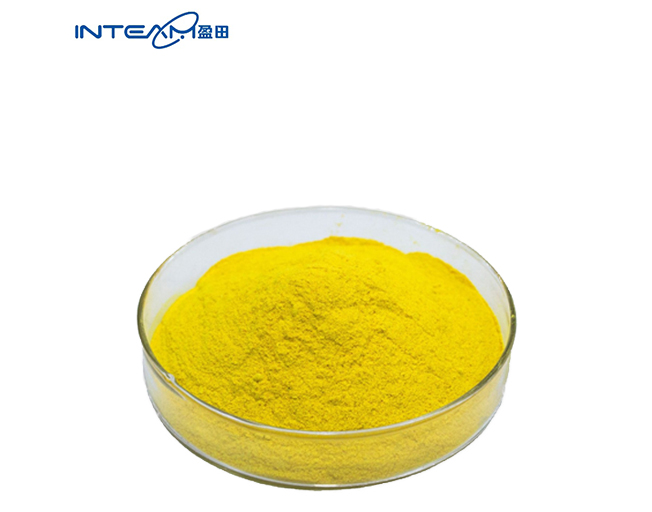
AC blowing agent (also called AC foaming agent) is a widely used organic synthetic blowing agent. It appears as a pale yellow to orange-yellow crystalline powder, odorless and non-toxic. Insoluble in conventional solvents such as water, ethanol, and ether, it decomposes at high temperatures to produce large quantities of mixed gases including nitrogen, carbon monoxide, and carbon dioxide. Through gas expansion, it forms a porous structure in polymer materials and is widely used in industries such as rubber, plastics, and foam products. It features high blowing efficiency, uniform cell structure, and a suitable decomposition temperature, making it one of the most consumed blowing agents (or foaming agents) on the market.

Product Description:

Technical Indicators

Item

Index Value

Test Method

Appearance

Pale yellow to orange-yellow crystalline powder

Visual inspection

Purity (%)

≥99.0

GB/T 2094-2011

Decomposition Temperature (℃)

200-210 (regular type); 170-180 (low-temperature type)

Differential Scanning Calorimetry (DSC)

Gas Generation Capacity (mL/g)

≥210

GB/T 2094-2011

Moisture Content (%)

≤0.2

Karl Fischer Method

Ash Content (%)

≤0.1

High-temperature Ignition Method

Fineness (100-mesh sieve residue, %)

≤0.1

Standard Sieve Filtration Method


Product Features

1 High blowing efficiency: The gas generation capacity per unit mass can reach over 210 mL, enabling an ideal blowing (or foaming) effect with a small addition amount and reducing production costs.

2 Excellent cell quality: The decomposed gas is uniform and stable, forming fine, uniform cells with a high closed-cell rate, which significantly improves the elasticity, thermal insulation, and cushioning performance of products.

3 Wide adaptability: Suitable for various polymer materials such as polyethylene (PE), polypropylene (PP), polyvinyl chloride (PVC), and rubber (natural rubber, synthetic rubber), with strong compatibility.

4 Good stability: Stable during room-temperature storage, not easily decomposed, and has a long shelf life, facilitating transportation and storage.

5 Environmental friendliness: Complies with EU RoHS, REACH, and other environmental standards, with no release of harmful heavy metals or volatile hazardous substances, meeting the requirements of green production.

Application Scope

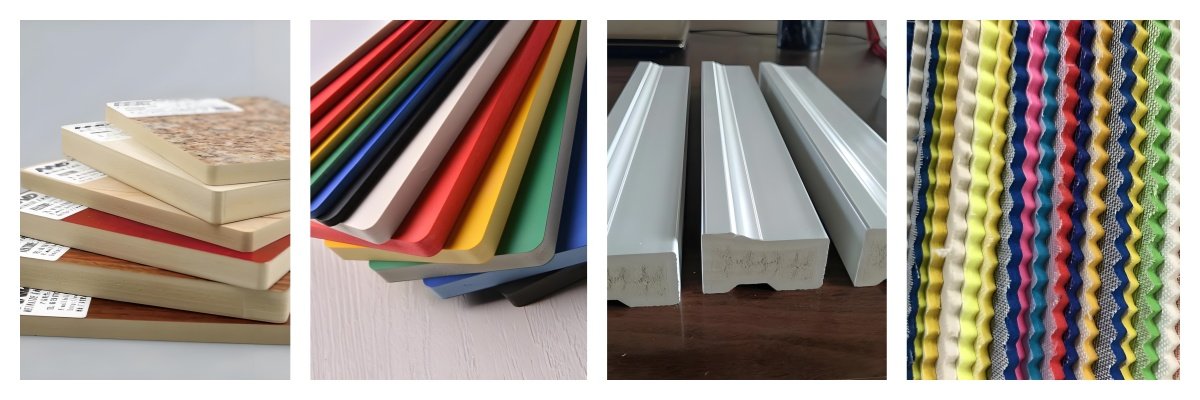
1 Plastic industry: Used in the production of polyethylene foam boards, polypropylene foam plastics, PVC foam slippers, foam floor mats, plastic foam packaging materials, etc.

2 Rubber industry: Suitable for foam molding of rubber shoe soles, rubber seals, sponge rubber products, tire buffer layers, etc.

3 Other fields: Can be used for foam materials for food packaging (must comply with food contact material standards), building insulation foam materials, foam components of sports equipment, etc.
Usage Methods

Adjust according to the product density requirements and base material characteristics. The conventional addition amount is 0.5%-3.0% of the base material mass:

1 Low-density products (high blowing/foaming ratio): 1.5%-3.0% addition amount;

2 Medium and high-density products (low blowing/foaming ratio): 0.5%-1.5% addition amount.

Packaging and Storage

  • Packaging: 25kg paper-plastic compound bag.
  • Storage: Store in a cool, dry and well-ventilated place. It is advisable to use up the product within one year.

Leave a Message

If you are interested in any product, please contact us. We will introduce our products to you in more detail

MESSAGE BOARD

Products
Contact
WhatsApp
Email