Products banner
NC Blowing Agent
NC Blowing Agent

NC Blowing Agent

Description :

Product Overview

Product Name

  • Chemical Name: Nitrocellulose (Abbreviation: NC)
  • ProductName: NC Blowing Agent/NC Foaming Agent

Product Introduction

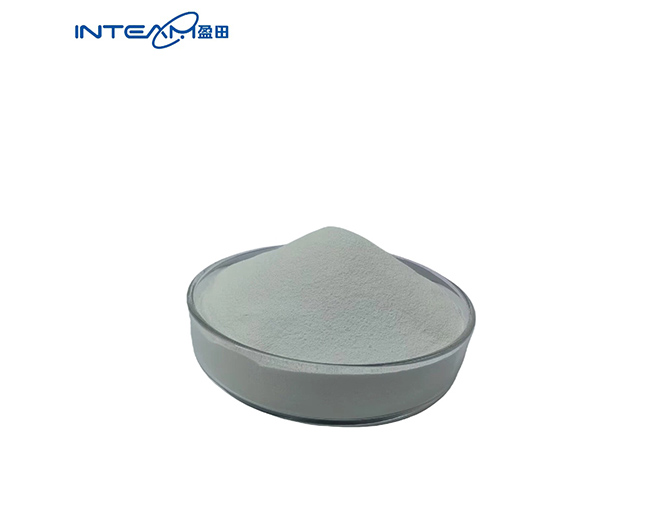
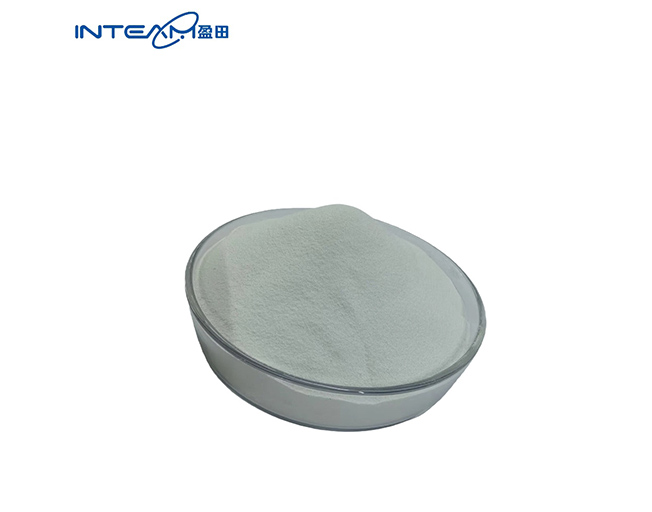
NC blowing agent is a semi-synthetic polymer blowing agent derived from cellulose nitration. It appears as a white to off-white fibrous or powdery solid, odorless (or with a slight ester-like smell), and soluble in organic solvents such as acetone, ethyl acetate, and ether (insoluble in water). It decomposes at medium temperatures (180-220℃) to release a large amount of mixed gases (including carbon dioxide, nitrogen oxides, and water vapor), which expand to form a porous structure in polymer materials. It is widely used in fields such as special plastics, coatings, and adhesives, featuring controllable decomposition rate, good compatibility with resin systems, and low residual ash, making it a key blowing agent for high-performance porous materials.

Product Description:

Technical Indicators

Item

Index Value (Industrial Grade)

Test Method

Appearance

White to off-white fibrous/powdery solid

Visual inspection

Nitrogen Content (%)

11.5-13.5 (adjustable by application)

Kjeldahl Method

Decomposition Temperature (℃)

180-220 (low-nitrogen type: 180-195; high-nitrogen type: 200-220)

Differential Scanning Calorimetry (DSC)

Gas Generation Capacity (mL/g)

80-120

Gas Displacement Method

Moisture Content (%)

≤0.5

Atmospheric Drying Method (105℃, 3h)

Ash Content (%)

≤0.2

High-temperature Ignition Method (800℃, 2h)

Solubility in Acetone

Complete dissolution (no visible undissolved particles)

Solubility Test (25℃, 10% concentration)

Viscosity (20% Acetone Solution, mPa·s)

50-500 (adjustable by polymerization degree)

Rotational Viscometer Method


Product Features

  • Controllable decomposition performance: The decomposition temperature and gas release rate can be adjusted by changing the nitrogen content (low nitrogen = lower decomposition temperature) and particle size, adapting to different polymer processing temperatures (e.g., 180℃ for PVC, 210℃ for PP).
  • Good resin compatibility: Easily disperses in thermoplastics (PVC, PE, PP) and thermosets (epoxy resin, unsaturated polyester), no phase separation, ensuring uniform cell structure.
  • Low residual impurities: Decomposes completely with minimal ash (≤0.2%), avoiding negative impacts on the mechanical properties (e.g., tensile strength, elasticity) of finished products.
  • Multifunctional auxiliary effect: While foaming, it can enhance the flame retardancy of materials (due to nitrogen-containing decomposition products) and improve the surface adhesion of coatings/adhesives.
  • Environmental adaptability: Complies with EU REACH and domestic GB/T standards, no heavy metal emissions, but requires controlled processing temperature to avoid NOₓ generation (solvable by adding acid absorbers).


Application Scope

Plastic Industry

  • Thermoplastic foaming: Used in PVC foam sheets (for decorative materials), PE foam pipes (for thermal insulation), and PP foam containers (for food packaging), reducing material density by 30%-60% while maintaining structural strength.
  • Thermoset foaming: Used in epoxy resin foam (for electronic encapsulation) and unsaturated polyester foam (for boat hull insulation), improving insulation and shock absorption performance.

Coating Industry

  • Used in architectural latex paint and industrial anti-corrosion coatings, forming a porous coating layer that enhances breathability and reduces coating weight; also used in wood grain transfer coatings to simulate natural wood pores.

Adhesive Industry

  • Added to hot-melt adhesives (for packaging and woodworking) and pressure-sensitive adhesives (for tapes), foaming to reduce bonding stress and improve peel strength; also used in foam adhesives for sound insulation panels.

Special Fields

  • Used in lightweight composite materials (for aerospace and automotive parts) to reduce component weight without sacrificing load-bearing capacity; also used in fire-retardant foam materials (with flame retardants added) for electrical cabinets.


Usage Methods

Adjust according to the target foam density and base material type, conventional addition amount:

  • Plastic foaming: 1%-5% of the base resin mass (low density products: 3%-5%; medium density products: 1%-3%).
  • Coating/adhesive foaming: 0.5%-2% of the total formulation mass (too high addition may cause coating cracking or adhesive bonding failure).

Packaging and Storage

  • Packaging: 25kg paper-plastic compound bag.
  • Storage: Store in a cool, dry and well-ventilated place. It is advisable to use up the product within one year.


Leave a Message

If you are interested in any product, please contact us. We will introduce our products to you in more detail


MESSAGE BOARD

Products
Contact
WhatsApp
Email