

PVC Resin Powder & Additives: Revolutionizing Modern Manufacturing
Time : Mar 19, 2026 View : 165
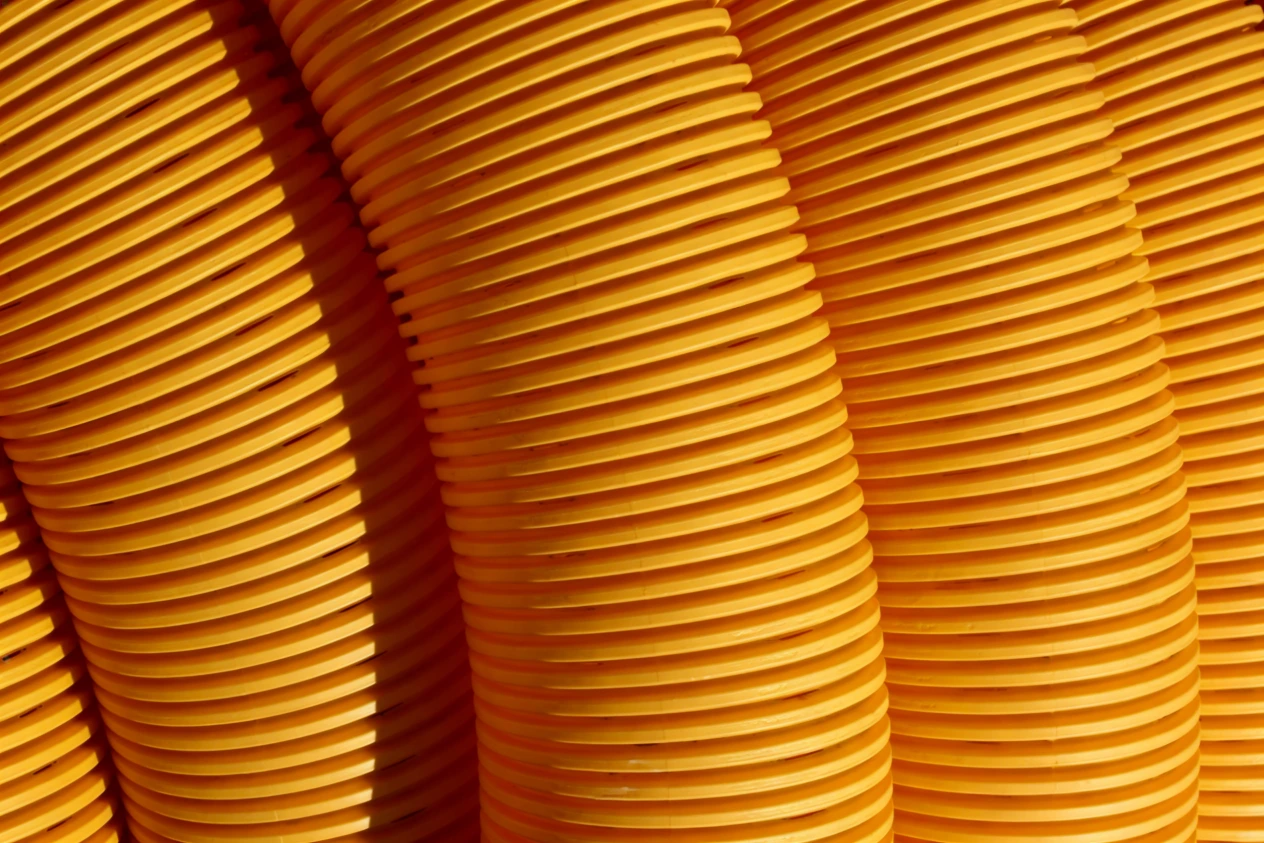
Look around your house, your office, or your local grocery store. The clean white pipes under your kitchen sink, the clear medical tubes in a hospital, and the strong window frames keeping the winter cold out all share a common starting point. But here is a surprising fact: pure plastic in its raw form cannot actually build any of those items. When exposed to normal factory heat, it simply burns, smells bad, and turns completely black.
The modern plastic industry relies heavily on a perfect chemical recipe. Over the past few decades, scientists have developed special ingredients that protect the raw material from extreme heat and heavy machine pressure. Today, we will explore how combining basic materials with the right chemical helpers has completely changed global production. We will look at the science behind the heat, the big shift toward green materials, and how this unique combination builds the safe, durable products we use every day.
The Hidden Challenges of Raw Materials
Before a factory can mold a beautiful window frame or a flexible garden hose, we have to look closely at the base material itself. In its pure, natural state, this white dust is surprisingly fragile. It hates high temperatures and will quickly fail without outside help.
The Science of Heat Sensitivity
When we talk about raw materials, we are usually looking at a fine, white substance. On its own, PVC resin powder has a major flaw. The molecular structure of this powder has weak points, specifically unstable chlorine atoms. These atoms detach easily when they get hot. The powder starts to break down naturally around 120°C to 130°C.
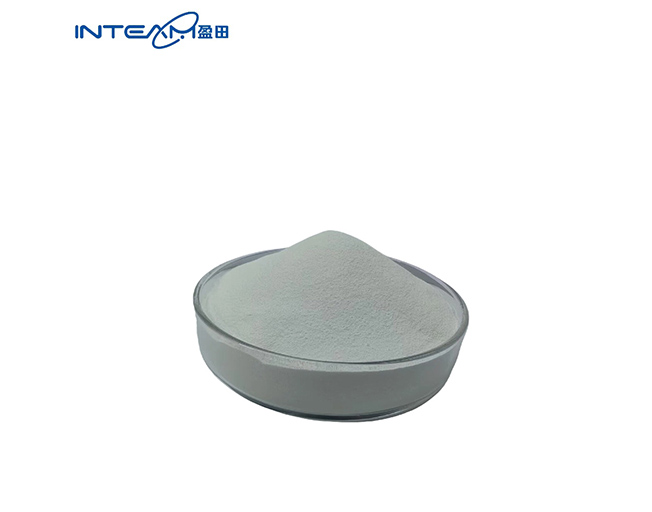
However, to mold the plastic into useful shapes, factory machines need to heat the material to temperatures between 160°C and 220°C. If you put the pure powder into a machine at 200°C without any protection, a destructive cycle called the “zipper reaction” happens. The material releases hydrogen chloride gas. This gas acts like a catalyst, speeding up the breakdown even more. The material quickly changes color, turning from pale yellow to dark brown, and finally to black. It becomes brittle and totally useless.
The Need for a Protective Shield
Because the processing heat is much higher than the point where the material breaks down, factories face a massive problem. They cannot produce a single qualified pipe or clear film without stopping the heat damage. The plastic needs a reliable shield to survive the melting phase. Finding high-quality base materials is always the first step, and options like the pure resin from Inteam provide a solid foundation for factories to start their mixing process safely.
The Core Protectors in the Production Process
Because the base material cannot survive the hot melting process alone, factory owners add specific chemical protectors. These compounds act like a microscopic shield. They catch harmful gases, stop color changes, and keep the final product strong during heavy machine work.
How Protective Chemicals Work
To stop the zipper reaction, factories mix in a PVC stabilizer. This chemical has a very specific job. It actively hunts down and absorbs the hydrogen chloride gas before the gas can cause more damage. By neutralizing the gas, it breaks the destructive cycle.
Some of these protectors go a step further. They actually replace the weak, unstable chlorine atoms on the molecular chain with stronger chemical groups. This completely removes the weak points. Without these hidden protectors, the plastic would lose its physical strength, and clear items like food packaging would become cloudy and yellow.
Shifting to Safe and Green Options
For many years, factories used lead-based chemicals to protect their plastic. Lead was cheap and worked well to block the heat. However, lead is toxic. Modern consumers and governments demand safer, greener products. Today, the industry is moving quickly toward the calcium zinc stabilizer.
This newer protector is completely free of heavy metals and toxic parts. It is odorless and safe for the environment. Because it is non-toxic, factories use it heavily to make food wrap, drinking water pipes, and medical equipment. It provides excellent heat resistance while keeping the final product crystal clear. For companies making the switch to green manufacturing, a reliable PVC heat stabilizer based on calcium and zinc is the absolute best choice for the future.
Making the Melt Flow Smoothly
Stopping the plastic from burning is only the first part of the manufacturing puzzle. The melted material is naturally thick, sticky, and hard to push through metal molds. This creates heavy friction, causing machines to draw too much power and slowing down the whole factory line.
Reducing Friction for Better Output
To solve the sticky melt problem, workers use specific PVC processing aids. These helpers act as special lubricants. We can divide them into two simple categories: internal and external.
Internal lubricants mix deeply into the plastic. They reduce the friction between the plastic molecules themselves, making the thick melt flow much faster. External lubricants work differently. They push to the outside of the melt and form a slippery film between the hot plastic and the cold metal machine. This stops the plastic from sticking to the mold. Factory data shows that using the right combination of these lubricants can increase production speed by 15% to 30% and cut machine energy use by 10% to 20%.
The Benefit of Liquid Solutions
When factories choose their PVC additives, they often have to decide between solid powders and liquid forms. Liquid versions are becoming very popular. A liquid compound mixes into the raw powder much more evenly. It reaches the molecular level, which reduces light reflection and makes clear plastic look like real glass. Liquids are also easier for workers to measure and pour, preventing the harmful chemical dust that floats around older factory floors.
Industry Trends Shaping the Future
The entire plastic field evolves at a remarkable pace. Authorities impose firm new guidelines. Customers prefer secure, pure items that endure for years. Producers adapt to these evolving criteria to sustain their facilities and satisfy patrons.
Multifunctional Packs: In the past, workers had to weigh and mix five or six different powders by hand. This caused mistakes. Now, scientists create “one-pack” solutions. These packs combine heat protectors, flow helpers, and impact strengtheners into one single bag. They reduce factory costs and stop mixing errors.
Tougher Materials: Before blending, raw plastic proves highly breakable. A strike from a tool shatters it. Adding strengtheners like chlorinated polyethylene renders it robust for construction uses, such as home panels and solid frames. This enhancement expands applications. It meets structural demands. It also ensures longevity in demanding environments.
Custom Solutions: Not every factory makes the same item. A company making soft garden hoses needs different chemicals than a company making hard water pipes. You can explore the wide range of different product applications to see how specific formulas change the final result.
Conclusion
Converting simple white powder into resilient, adaptable, and secure items marks a remarkable chemical success. From countering severe equipment warmth to enabling dense fluids to glide effortlessly, the appropriate chemical pairing enables contemporary production. As global emphasis grows on eco-friendly substances, selecting suitable chemical allies grows ever more vital. This focus guides advancements. It addresses environmental concerns. It also aligns with regulatory shifts for sustained viability.
If your factory wants to upgrade its production lines, reduce machine energy costs, or switch to environmentally friendly formulas, finding an expert supplier is key. Inteam builds customized solutions for all types of factory setups. If you need help picking the perfect formula for your specific product, contact our team today to start building better, stronger materials.
FAQs
Q: Why do factories need to add chemicals to PVC resin powder?
A: Pure powder will burn and turn black at normal machine temperatures. Chemicals protect it from extreme factory heat.
Q: What makes a calcium zinc stabilizer better than older types?
A: It is totally non-toxic and eco-friendly, making it perfectly safe for medical tubes, toys, and food packaging.
Q: Can a good PVC heat stabilizer change how the final product looks?
A: Yes. It stops yellowing and keeps clear plastic looking highly transparent and clean during the hot manufacturing process.