

What are the differences between different types of PVC stabilizers?
Time : Mar 05, 2026 View : 310
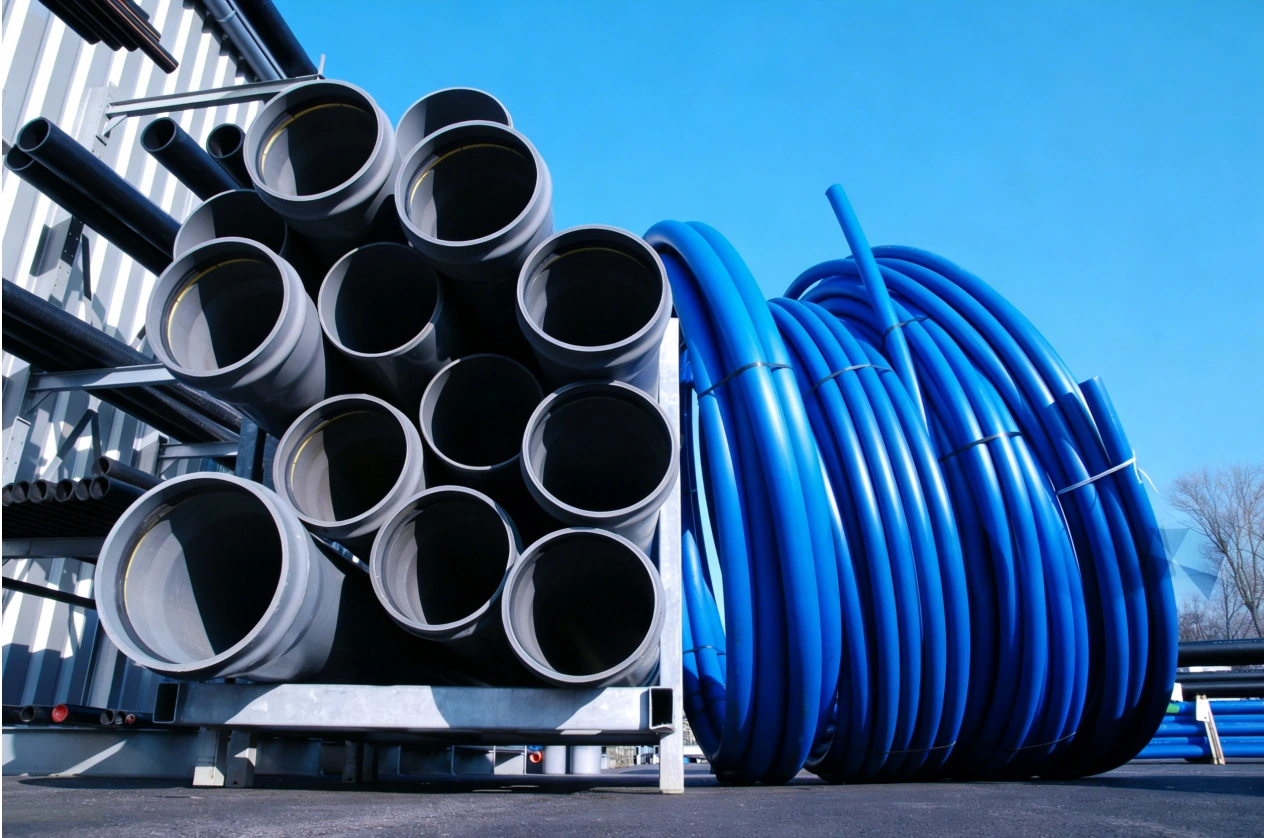
Have you ever checked the white PVC pipes below your sink or the smooth vinyl window frames in a new office and thought about how they last through years of warmth and light without breaking apart? The key is not only the plastic; it is a quiet helper known as the stabilizer. In the field of advanced making, PVC acts a bit like a fussy material. It is very handy but also quite touchy to heat. Lately, with world warmth reaching new peaks and rules on nature getting stricter, the need for improved, safer extras has risen a great deal. Whether you manage a plant making PS skirting boards or tubes for health use, selecting the correct chemicals marks the gap between a fine item and a faded, weak failure. At Inteam, we’ve spent years perfecting the science of keeping PVC stable, and today, we’re breaking down the complex world of stabilizers to help you make the best choice for your production line.
Why PVC Thermal Stability is the Foundation of Quality
Polyvinyl chloride (PVC) has a massive problem during processing. While it needs to be heated to 160°C or even 200°C to melt and take shape, it actually starts to break down at much lower temperatures—sometimes as low as 120°C (generally begins above 100°C). This chemical “gap” is where the trouble starts. When PVC becomes too warm, it starts a chain reaction, letting out hydrogen chloride (HCl) gas. This gas does not only have a bad odor; it works like a speeder, hastening the ruin of the nearby plastic.
Without good PVC thermal stability, your item will soon shift from white to yellow, then orange, and finally black. This occurs because the chain of molecules drops its chlorine parts, forming sequences that take in light and alter the shade. Past just the appearance, the let-out of HCl eats away at your costly tools and turns the end plastic fragile. This explains why PVC stabilizer types are not mere choices; they serve as key guards for your supplies. By stopping that HCl gas and fixing shaky sections of the chain, these additions make sure that your PVC remains firm and keeps its first color through its use time.
Navigating the Main PVC Stabilizer Types Used Today
Choosing a stabilizer isn’t a one-size-fits-all decision. The industry has developed a wide range of options, each with its own pros and cons based on cost, performance, and safety. Depending on whether you are making rigid pipes or flexible films, your formula will need a specific chemical profile to handle the heat and shear of the extruder.
The selection of a stabilizer depends heavily on the final application and the specific processing environment. For instance, high-volume construction projects often favor different chemistries than those used in sensitive food packaging. Let’s look at the three heavyweights in the stabilizer market to see how they differ in action and why some are fading while others are taking over.
The Legacy of Lead Salt Stabilizers
Lead salts were the first stabilizers ever used, and they still hold about a 60% share of the global market. They are popular because they are cheap and offer excellent long-term heat resistance. They are like the “old reliable” of the industry. However, they have a big downside: toxicity. Because they contain heavy metals, they can’t be used for food packaging or medical devices. They also tend to be opaque, which means they aren’t suitable for transparent PVC products.
High-Performance Organotin Stabilizers
If you need absolute transparency, organotin is the gold standard. These are mostly liquid and are incredibly efficient at preventing early yellowing. They are widely used in food-grade packaging and drinking water pipes because many versions are non-toxic. The main hurdle for many manufacturers is the cost, as tin is a precious metal, making these some of the more expensive options on the shelf.
The Balanced Approach of Barium-Zinc Systems
Barium-zinc stabilizers often come in liquid form and are great for semi-rigid or flexible PVC products like artificial leather or floor mats. They offer good initial color and decent weather resistance. While not as environmentally “clean” as calcium-based options, they provide a middle ground for manufacturers who need specific processing traits without the high price tag of pure tin. You can explore our Barium Zinc Stabilizer to see how this balance works in real-world applications.
The Modern Shift: Ca/Zn Stabilizer Benefits and Eco-Friendly PVC Additives
In recent years, the conversation has shifted toward sustainability. Regulations like REACH and RoHS are pushing lead out of the factory. This has opened the door for Calcium-Zinc (Ca/Zn) systems. These were once seen as “weak” alternatives, but modern R&D has turned them into powerhouses that can compete with lead in almost every category.
The push for eco-friendly PVC additives isn’t just about following the law; it’s about meeting consumer demand for safer homes and cleaner environments. Manufacturers are finding that switching to calcium-zinc can actually improve their brand’s reputation and open up export markets that have banned lead salts. Let’s dive into why this specific chemistry is becoming the new industry standard.
Why Manufacturers Love Ca/Zn Solutions
One of the biggest ca/zn stabilizer benefits is safety. Being free of heavy metals and odors, these stabilizers are perfect for everything from toys to medical tubing. They also offer great light stability, meaning your products won’t fade as fast when exposed to the sun. Furthermore, they are very “friendly” to your equipment, as they don’t produce the same corrosive byproducts that some older stabilizers do.
Improving Performance with Modern Ca/Zn
Early versions of calcium-zinc were prone to “zinc burning,” where the material would suddenly turn black during processing. Today, Inteam uses advanced auxiliary stabilizers like polyols and antioxidants to prevent this. This ensures that the material stays stable for a long time, even under high shear stress. Check out our latest Calcium Zinc Stabilizer range to see how we’ve solved these old stability hurdles.
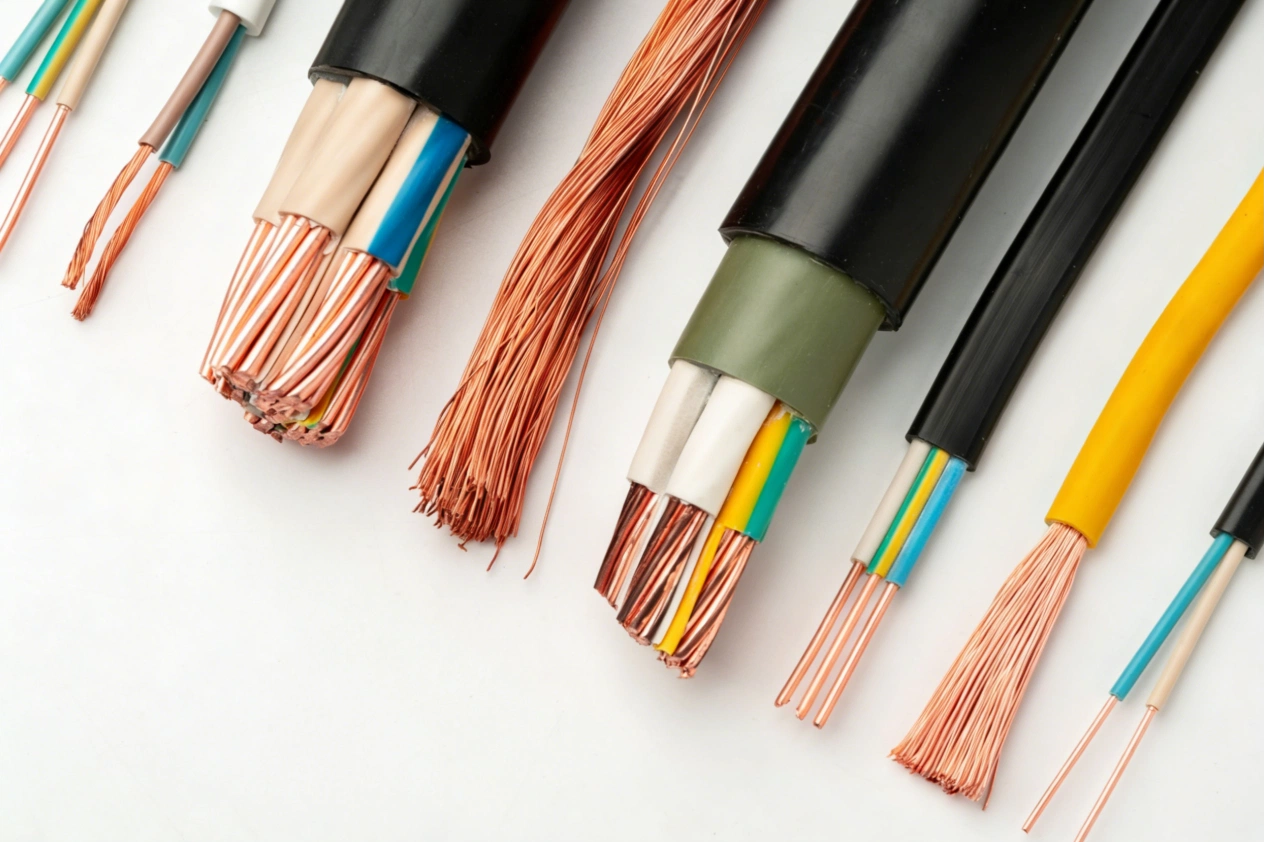
Liquid PVC Stabilizer vs. Composite Heat Stabilizer: Which Format is Better?
How you add the stabilizer to your mix is just as important as the chemistry itself. In a busy factory, ease of use and precision are vital. This is why stabilizers come in different physical forms, mainly liquids and solid “composite” packages. Each format changes how the molecules interact with the PVC resin during the melting process.
The choice between a liquid and a solid package usually comes down to your mixing equipment and the transparency requirements of your final product. Some factories prefer the dust-free nature of liquids, while others like the “all-in-one” simplicity of granules. Here is a comparison of how these different formats perform on the production floor.
The Precision of Liquid PVC Stabilizer
A liquid PVC stabilizer has one massive advantage: compatibility. Because it’s a liquid, it can achieve molecular-level dispersion within the PVC resin. This reduces light refraction, which is why liquids are the top choice for crystal-clear products. They also act as a minor lubricant, helping the melt flow more smoothly through the die.
The Efficiency of a Composite Heat Stabilizer
Most modern factories are moving toward a composite heat stabilizer, also known as a “one-package” system. This isn’t just a stabilizer; it’s a pre-mixed blend of heat stabilizers, internal lubricants, and external lubricants. Instead of weighing out five different powders and risking a mistake, your team can just add one bag. This “one-package” approach reduces dust in the air, improves consistency between batches, and often lowers production costs. Inteam’s PVC Compound Stabilizer is designed specifically to simplify these complex formulas for high-speed extrusion.
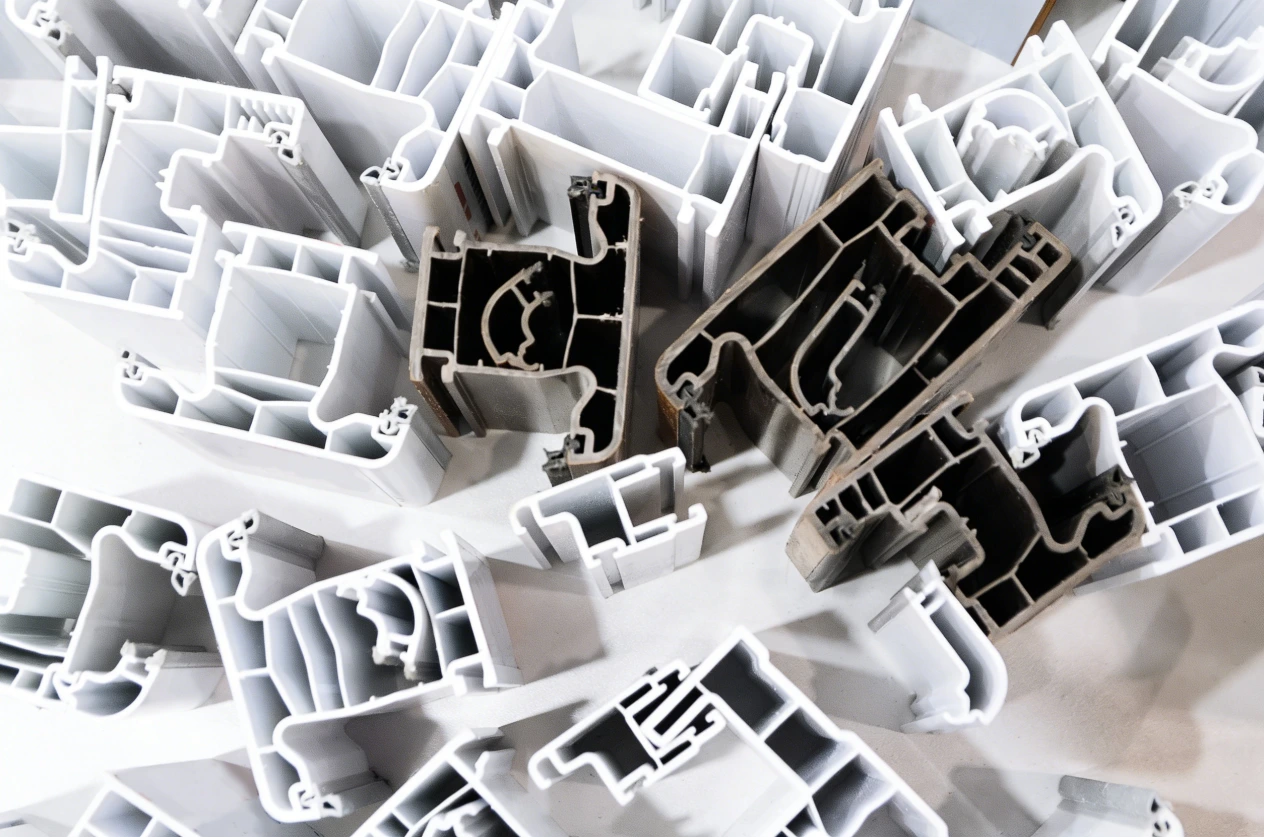
The Supporting Cast: The Vital Role of PVC Processing Aids
Even the best stabilizer can’t do the job alone. PVC is by nature a dry and weak dust. To change it into a even, shiny item, you need a group of chemicals acting together. This is where PVC processing aids step in. They work like the oil in the tool, making sure the plastic softens at the correct moment and does not cling to the metal sides of your pusher.
Without the proper even of smoothers and changers, you will notice “melt break” (a coarse, rough feel on the top) or even charring inside the tool. Proper processing aids can actually increase your production efficiency by 15% to 30% while reducing energy use by up to 20%. It’s about creating a perfect “flow” so the stabilizer can do its job of protecting the molecules.
Internal vs. External Lubrication
Internal lubricants work inside the melt to reduce friction between the polymer chains, making the plastic “softer” as it melts. External lubricants, like polyethylene wax, move to the surface to create a thin film between the plastic and the metal mold. This prevents sticking and gives your product that high-gloss finish customers love.
The Power of ACR Modifiers
ACR (acrylic copolymers) are perhaps the most famous processing aids. They help the PVC fuse together faster at lower temperatures. This is crucial because the less time the PVC spends at high heat, the less work your stabilizer has to do. It’s a synergistic relationship that protects the material from every angle.
Conclusion
Grasping the gaps between PVC stabilizer types is the starting move toward improved making. Whether you seek the great clearness of a liquid PVC stabilizer or the nature-kind setup of a Ca/Zn system, the aim is always alike: a steady, fine item that endures.
At Inteam, we don’t just sell chemicals; we provide solutions. Our R&D team works closely with clients to customize formulas for specific applications, from construction profiles to delicate medical packaging. If you are struggling with yellowing, plate-out, or rising costs, let us help you optimize your formula. Ready to upgrade your production?Contact us today and let’s build something stable together.
FAQs
Q: What are the main types of PVC stabilizers available?
A: Common types include lead salts, calcium-zinc, organotin, and barium-zinc, each serving different cost and safety needs.
Q: Why is a composite heat stabilizer better than single components?
A: It combines stabilizers and lubricants in one “one-package,” reducing weighing errors, dust, and overall production costs.
Q: Are ca/zn stabilizer benefits worth the switch from lead?
A: Yes, they offer non-toxic, eco-friendly protection that meets global safety regulations while providing excellent light stability.