

What is the Influence of Ca Zn Stabilizer on the Hardness of PVC Products?
Time : Apr 02, 2026 View : 31
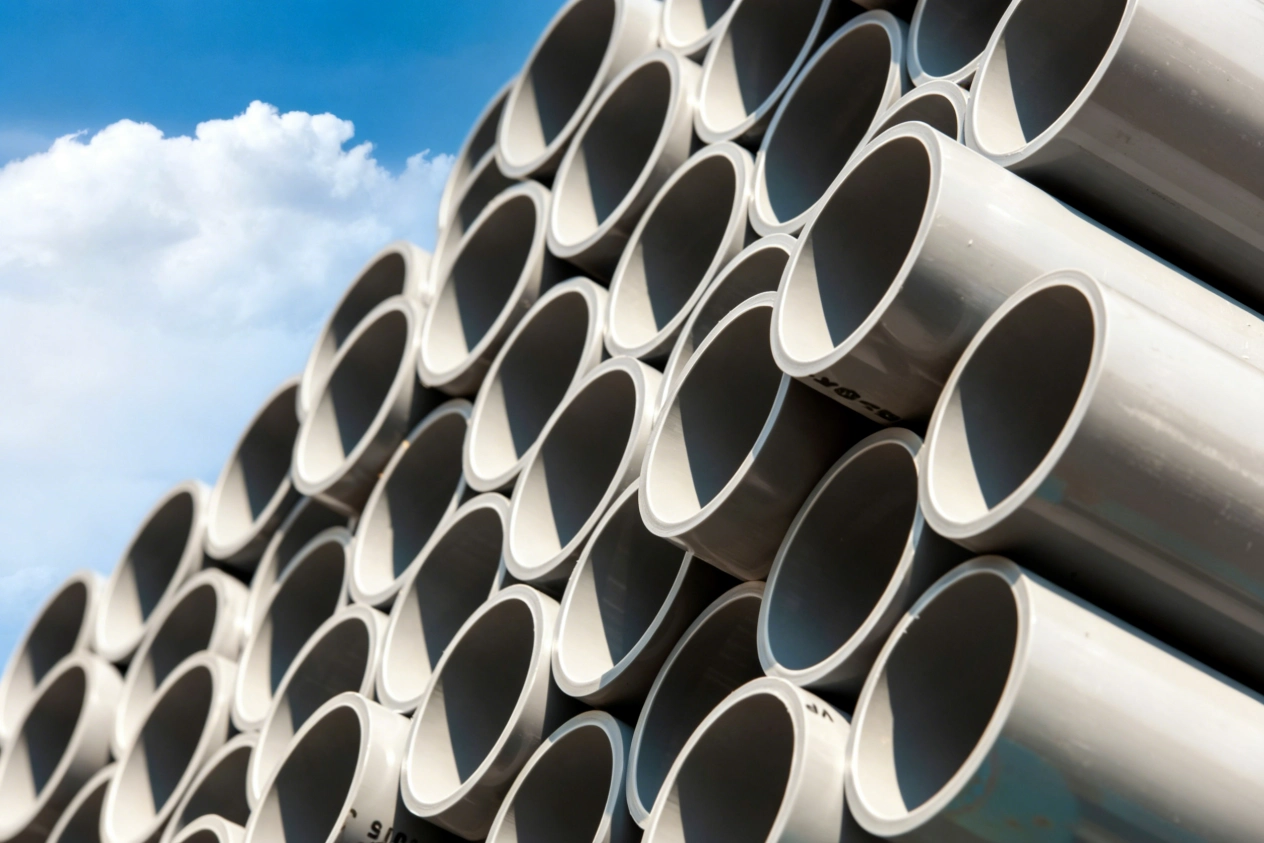
Have you noticed how strict building codes have become recently? Walk onto any major construction site today, and you will see a massive push for green, safe materials. Polyvinyl chloride, or PVC, is everywhere—from the water pipes buried deep underground to the sleek window frames facing the hot summer sun. But the entire plastic industry is changing fast. We are rapidly moving away from old, toxic heavy metals.
This shift brings a real headache for plastic manufacturers. Picture a dark window profile sitting in 40°C weather. If the plastic is too soft, it will warp, bend, and ruin the window seal completely. Factory managers now face a tough balancing act every single shift. They must use eco-friendly chemicals while keeping the plastic tough and rigid. So, a very practical question comes up on the factory floor almost every day: What is the influence of Ca Zn stabilizer on the hardness of PVC products? Let’s break down exactly what happens inside the extrusion machine and how you can fix it.
The Direct Link Between Additives and Final Rigidity
When you hold a tough plastic pipe, you might think it is just one raw material. In reality, that pipe is a complex recipe. The rigidity comes from a careful mix of powders melted together under high heat. Every single spoon of powder changes the final physical result.
The base resin: Pure PVC powder looks a lot like white sugar. But it is practically useless on its own. If you throw pure resin into a hot machine, it simply burns, turns black, and crumbles into pieces. It needs help to survive the heat.
The fillers: Factories add heavy powders like calcium carbonate to the mix. This makes the product stiffer and cheaper to produce. It directly drives the Shore hardness numbers up.
The protectors: This is where PVC stabilizers come in. They wrap around the plastic molecules to stop them from burning. But they also change how the powder melts.
The flex agents: If you want a soft garden hose, you dump in liquid plasticizers. If you want a hard water pipe, you keep them out.
You cannot just look at the calcium zinc stabilizer as an isolated ingredient. It interacts with the fillers, the resin, and the heat. When it melts, it changes the physical density of the plastic wall.
Mechanisms: How the Chemical Swap Changes the Game
Changing one ingredient often upsets the whole recipe. When you swap out old toxic heavy metals for a modern Ca Zn stabilizer, the way the plastic melts inside the extruder changes completely. This melting behavior directly dictates how tough the final product becomes. You cannot just swap bags and expect the same plastic.
Lubrication Balance and Physical Form
Think of a calcium zinc stabilizer as a dual-purpose chemical. It stops the plastic from burning, but it also contains metallic soaps—like zinc stearate and calcium stearate. When these soaps get hot, they act like slippery oil. We call this lubrication.
Imagine rubbing two dry hands together fast; that is high friction. Now put lotion on your hands and try again. They slip past each other easily. Inside a hot barrel, if there is too much of this “lotion” (external lubrication), the plastic particles slip past each other instead of grabbing tightly together. Because they do not pack together tightly, the final plastic part is slightly less dense. In the plastic world, lower density usually means a drop in PVC hardness. The product might feel a bit more flexible than it should be.
The Rate of Plasticization
Plasticization is just a fancy word for powder turning into a hot, sticky dough. The speed at which this happens is critical. A typical Ca Zn stabilizer usually delays this melting process compared to older chemicals.
If the powder takes too long to turn into dough inside the machine screw, the plastic molecules do not get enough time to tangle up with each other. It is like knitting a sweater very loosely. When the plastic comes out of the mold and cools down into a pipe or a window frame, the internal structure is a bit loose. You lose that crisp, rigid snap when you bend a thin piece. The heat stability might be perfectly fine, but the physical toughness suffers because the melting timing was off.
Comparing Traditional Lead with Modern Alternatives
For decades, lead was the easy choice. It offered a huge processing window. You could make small temperature mistakes in the factory, and the pipe still came out hard. Today, strict environmental rules force us to use cleaner but much more sensitive chemistry. This shift requires better knowledge and sharper skills.
The old heavy metal days: Lead salts were amazing at providing heat stability. More importantly, they did not melt into slippery liquids. They stayed somewhat solid during processing. Because they did not over-lubricate the mixture, the PVC hardness stayed very high and consistent.
The painful transition phase: When the ban on lead started rolling out globally, early lead-free additives were hard to control. Factory workers panicked. They noticed that when they made the switch, the hardness of their pipes often dropped by 2 to 4 degrees. Products failed quality tests.
The modern chemical solution: Today, things are vastly different. High-end chemical companies do not just mix raw zinc and calcium anymore. They create complex, balanced systems. Modern blends can match the heat protection of the old toxic stuff while tightly controlling the slip effect, keeping the end product rigid.
Fixing the Hardness Drop in Factory Production
Factory managers often panic when their new green formulation yields soft profiles. They think they have to accept lower quality just to pass strict environmental audits. The good news is that you have proven ways to get that crisp, hard finish back without spending too much. You just need to adjust your strategy.
Tweaking the Additive Package
If your green chemicals are making the plastic too slippery and soft, you need to force the material to melt faster and bind tighter. This is where a good processing aid comes in.
Think of an acrylic processing aid as liquid glue. Its long chemical chains wrap around the slippery PVC particles and drag them through the hot machine, forcing them to rub together and melt early. By speeding up the melt, the molecules tangle tightly again. This simple addition often restores the PVC hardness right back to your target numbers. Also, taking a close look at your calcium carbonate levels helps. Sometimes, simply adding a fraction more of this hard filler balances out the softening effect of the metallic soaps.
Picking the Right Chemical Partner
Buying cheap, generic powder off the internet is a fast way to get weak, soft pipes. Not all PVC stabilizers are created equal. You need a tailored solution for your specific factory setup.
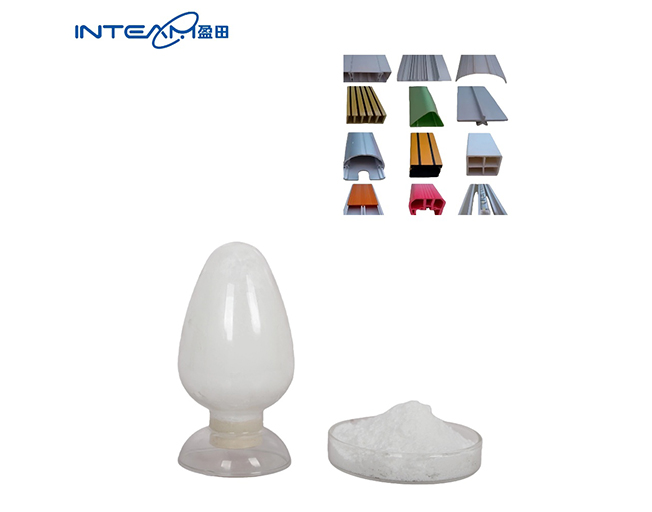
For instance, if you run standard pipes, a highly engineered product like the calcium zinc stabilizer YC-318gives you massive heat stability without dumping too much slip agent into your mix. It holds the rigidity steady. On the other hand, if you are making complex, shiny window profiles or tough edge banding, you need something different. A specialized blend like PVC stabilisers YC-319 is designed to maintain that crucial surface hardness while giving you a glossy finish. You must match the exact chemical structure to your daily application.
Getting the Right Support for Your Production Line
Buying bags of chemical powder is simple. Making them work perfectly in your specific extrusion machines takes real skill and patience. Having a supplier who tests their formulas in a real lab saves you weeks of frustrating trial and error on the factory floor. This cuts down scrap rates drastically.
Finding the perfect balance between heat stability and plastic rigidity is an art. It takes testing. A good chemical partner does not just drop off bags of powder at your warehouse door. They look deep into your application needs. They take your recipe and test it on small lab machines, checking the melting curves and the final hardness before you ever put it into your massive production lines.
If you look at a dedicated manufacturer like Inteam, you see a deep background in this exact science. If you are struggling with soft pipes or warped profiles after switching to lead-free additives, do not keep wasting raw materials. Contact us and get professional service and formulation advice to get your quality back on track.
FAQs
Q: Does a Ca Zn stabilizer make PVC softer?
A: It can lower PVC hardness slightly if the lubrication is wrong, but proper formulation fixes this completely.
Q: How do you fix poor heat stability?
A: Use high-quality PVC stabilizers like YC-319 and adjust machine temperatures to stop early material burning.
Q: What processing aid works best with lead-free additives?
A: Acrylic-based processing aids work best to speed up melting and restore the required plastic rigidity quickly.