

Why is Premium PVC Liquid Stabilizer Vital for Industrial Efficiency?
Time : Feb 12, 2026 View : 302
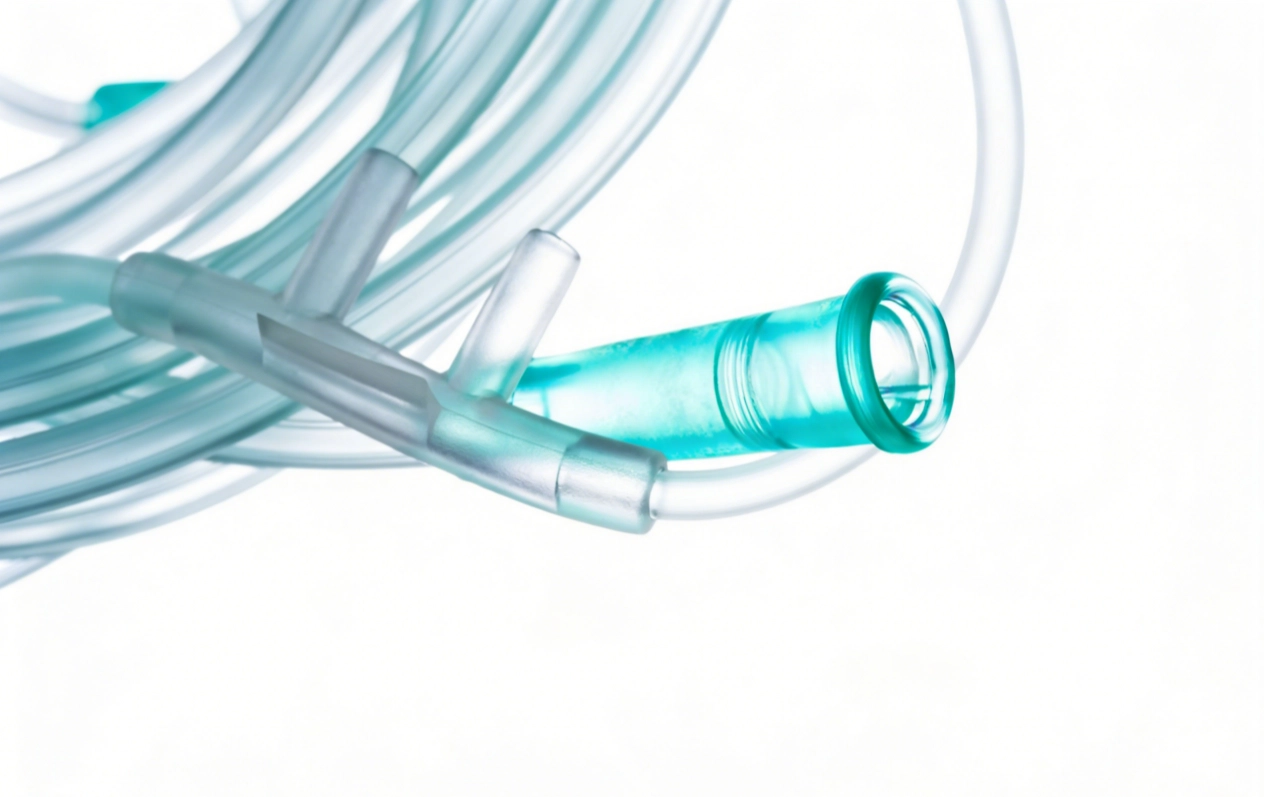
In the fast-paced world of plastic manufacturing, efficiency isn’t just a buzzword; it is the difference between profit and loss. We often talk about high-speed machinery or advanced resins, but the unsung hero keeping those machines running smoothly is often a small but mighty additive: the PVC liquid stabilizer.
If you create sharp medical pipes, bendable layers, or synthetic hide, your stabilizer pick sets your handling rate and end item standard. As the field turns from dangerous lead items, current fixes like barium zinc mixes claim the main spot. Let us check why moving to a fine liquid style could serve as the best update for your workshop this year.
The Chemistry Behind Thermal Stability
Prior to explaining why liquid types excel in some uses, we should see what takes place within the device. PVC reacts to warmth by nature. When you warm it to above 100°C for handling, it aims to break. It lets out hydrogen chloride (HCl) gas. That sets off a “zipper effect.” As a result, the stuff splits, worsens, and shifts to dark.
Stopping the “Zipper Effect” Before It Starts
Picture a stabilizer as a chemical protector. Its chief role is to grab that HCl gas as soon as it comes out. Then, it makes it safe. Yet, not every protector works alike. A liquid heat stabilizer holds a clear plus in this spot: response pace.
The stabilizer sits in liquid form from the start. So, it skips melting before acting. It spreads right into the PVC resin frame. Industry facts show that this quick spread helps it seize those free chlorine parts more quickly than firm options. Such action proves key to blocking the early yellow shade in the item. Should your stabilizer lag by mere moments in quick extrusion, color changes appear in the last sheet coil. Fine liquid choices give that direct cover. They hold the polymer links sound and the shade steady from the initial length to the end.
With the core chemical need clear now, let us view the real, hands-on contrasts on the work line. What makes the shape of the stabilizer—liquid over powder—cause such a large gap in everyday tasks and total yield?
Liquid vs. Solid: The Processing Advantage
In numerous plants, the blend space ranks as the grimiest area in the structure. Powder sacks get opened roughly. Small grains drift in the breeze. This forms not only a safety worry. It creates a dosing trouble. Firm bits can group up. That results in an uneven spread in the blender. Such unevenness fights against plant output.
Superior Dispersion and Compatibility
A key gain from a PVC liquid stabilizer lies in its role during the blend step. Powders call for major mixing power to split and share out. Liquids, however, wrap the PVC resin bits smoothly.
Consider it as adding sugar to cool tea. Grain sugar needs moments and mixing to fade. It frequently drops to the floor. Liquid sugar mixes at once. For PVC handling, this “quick mix” skill brings spread at the small scale. That matters for keeping body traits. If the stabilizer covers evenly, no “warm spots” form where harm happens. Also, no “quiet spots” arise where an extra stabilizer could show on the face after. This sameness lets makers drive their pushers and smoothers at better rates. They do this free from concern over stuff loss.
Pumpability and Automation
From an operational standpoint, liquids are easier to handle. You can pump them directly from drums or intermediate bulk containers (IBCs) into the mixer. This allows for:
- Automated dosing: Removing human error in weighing.
- Cleaner workspace: No dust clouds, which improves employee health and reduces contamination risks.
- Faster changeovers: Liquid systems are generally quicker to flush and clean than powder hoppers.
While the physical form helps with processing, the chemical composition determines the application. For flexible products where clarity and feel are paramount, specific metal combinations perform better than others. This brings us to the specific role of barium and zinc.
The Role of Barium Zinc in Flexible Applications
In making bendable things like clear tubes, promo layers, or plush games, you meet two issues. You seek warmth and steadiness. But you also seek sharp sight. Old calcium-zinc grains can leave the end item dim or misty at times. That is where a barium zinc stabilizer stands out.
Why Barium Zinc is the King of Clarity
Barium zinc formulations, such as the BZ-001 and BZ-002 series offered by specialized manufacturers, are engineered specifically for transparency. The chemistry here is fascinating. The barium component provides excellent long-term heat stability, keeping the plastic from degrading over long production runs. The zinc acts as the initial color protector.
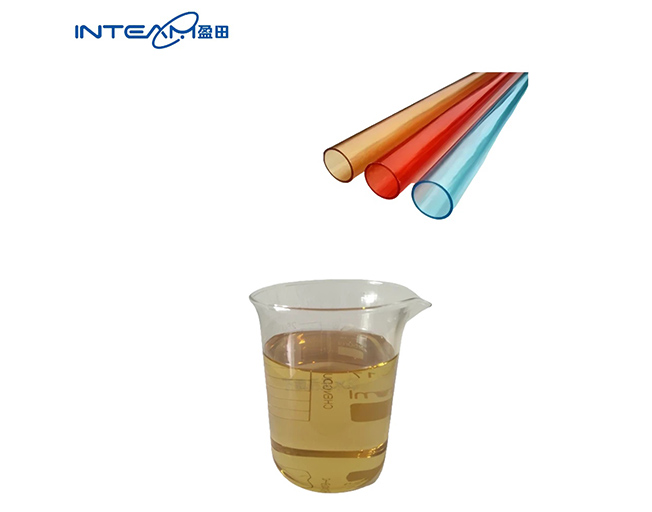
Yet the wonder sits in light bending. The light-bend rate of these liquid metal washes matches PVC resin well. So, light moves through the stuff without scattering. Firm grains often stop or curve light instead. That makes dimness. For a firm building fine, clear packs or medical pipes, this sight sharpness is a must-sell trait. Plus, flexible pvc stabilizer setups in liquid shape often hold helper stabilizers like phosphites. These add to sharp sight and weather hold.
Reducing Plate-Out and Migration
One usual pain in bendable PVC making is “plate-out.” It comes when mismatched additions shift to the face of warm plastic. Then, they cling to the metal rollers of the smoother or the head of the pusher. With time, these piles and harms the item. Thus, you stop for tidy-up.
Liquid barium zinc stabilizers match better with softeners in bendable PVC, like DOTP or DINP. As matching liquids, they stay in the polymer frame. They do not shift away. This cuts the device’s pause a lot. Less tidy work means more run time. And that links straight to better output.
We have gone over warmth steadiness, handling ease, and sharp sight. Still, the field shifts. Green rules and buyer calls push makers to find partners with more than a chemical item. They want a full fix.
Choosing the Right PVC Compound Stabilizer Manufacturer
Back then, you could pick a plain stabilizer from a store. Now, setups grow detailed. A stabilizer is not one chemical alone. It often forms a “one-pack” group with oxidation guards, inside and outside smoothers, and other boost items.
The Value of “One-Pack” Liquid Systems
A top-tier pvc compound stabilizer manufacturer like Inteam doesn’t just sell you a drum of chemicals. They formulate a system. Their liquid stabilizers often integrate:
- Lubrication: Balanced internal and external lubricants to reduce friction and save energy (amp usage) on the extruder.
- Antioxidants: To prevent degradation during the cooling phase.
- Kick-starters: To help the foaming process in applications like artificial leather.
By using a compound liquid system, you simplify your supply chain. Instead of buying five different additives and hoping your mixing room gets the recipe right, you dose one liquid component that handles multiple jobs. This reduces inventory costs and the risk of formulation errors.
Customization and Technical Support
Every factory’s equipment is different. A formulation that works on a German-made high-speed extruder might fail on an older, slower machine. This is where technical partnership matters. Suppliers who understand the nuance of PVC applications can tweak the ratio of metal soaps or adjust the lubricant balance in the liquid stabilizer to suit your specific shear rates.
For instance, if you are noticing a yellow tint in your transparent films, a supplier can adjust the zinc content or add specific organic co-stabilizers to fix it. This level of service transforms the stabilizer from a commodity into a strategic tool for quality improvement.
To wrap things up, let’s summarize the strategic value of making the switch. It is about looking at the total cost of ownership rather than just the price per kilogram of the additive.
Conclusion
Switching to a premium liquid heat stabilizer might seem like a small detail in the grand scheme of a factory, but the ripple effects are massive. You get a cleaner factory, a more consistent dosing process, and a final product that looks better and lasts longer.
Whether you are using a barium zinc stabilizer for that perfect crystal-clear hose or a compound system for high-speed cable extrusion, the goal is the same: consistency. In an industry where margins are tight, the ability to run your lines faster, with fewer stops for cleaning and less scrap material, is the ultimate competitive advantage.
If you are currently struggling with haze issues, plate-out, or inconsistent thermal stability, it might be time to re-evaluate your additive package. Don’t let old-school powders hold back your modern machinery. Contact us now to learn about Inteam‘s advanced liquid solutions and see how small changes in chemical composition can lead to significant improvements in industrial efficiency.
FAQs
Q: Is a liquid stabilizer better than a powder one for transparent PVC products?
A: Yes, liquids generally offer superior molecular dispersion and refractive properties, resulting in much higher clarity and less haze.
Q: Can I use a barium zinc stabilizer for food-contact applications?
A: Usually no. Barium is a heavy metal. For food contact, you should choose non-toxic calcium-zinc liquid stabilizers.
Q: What is the shelf life of a typical PVC liquid stabilizer?
A: Most liquid stabilizers remain effective for one year if stored correctly in a cool, dry place away from moisture.