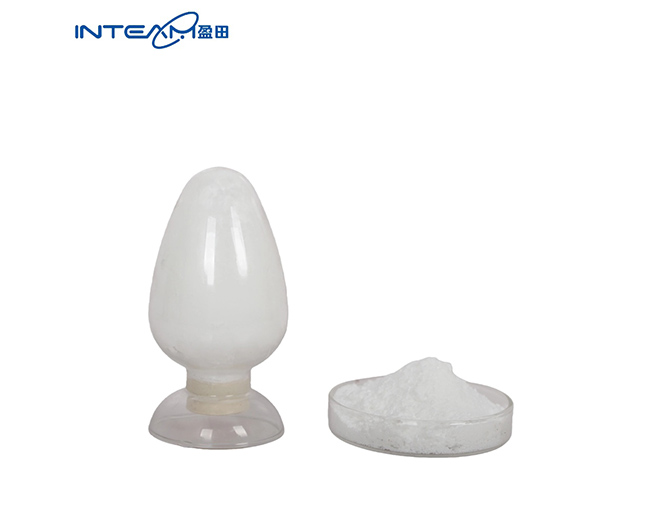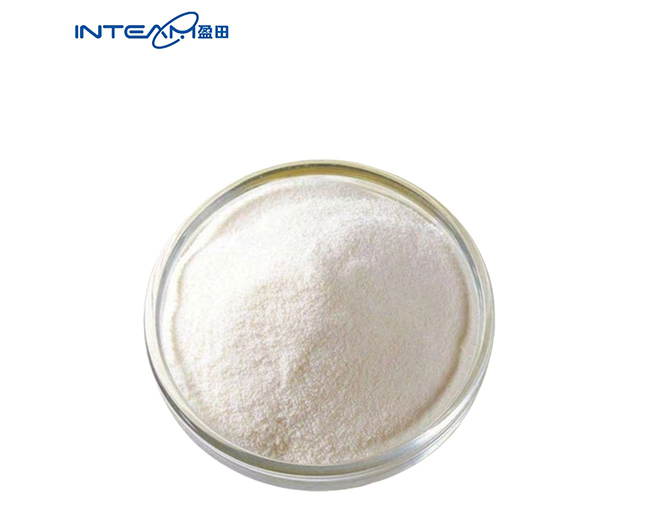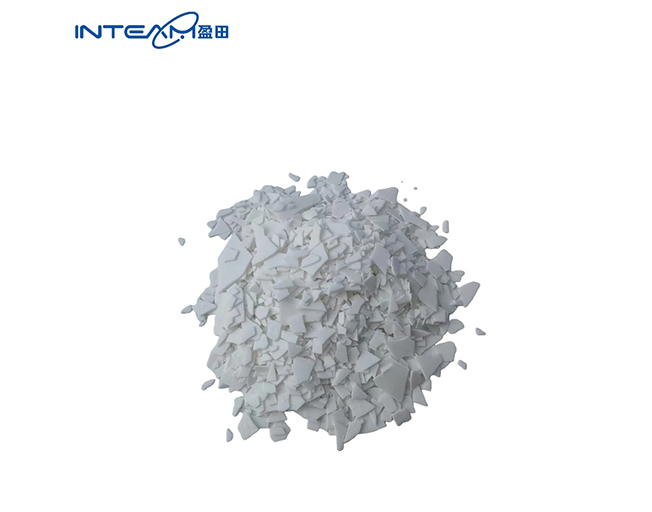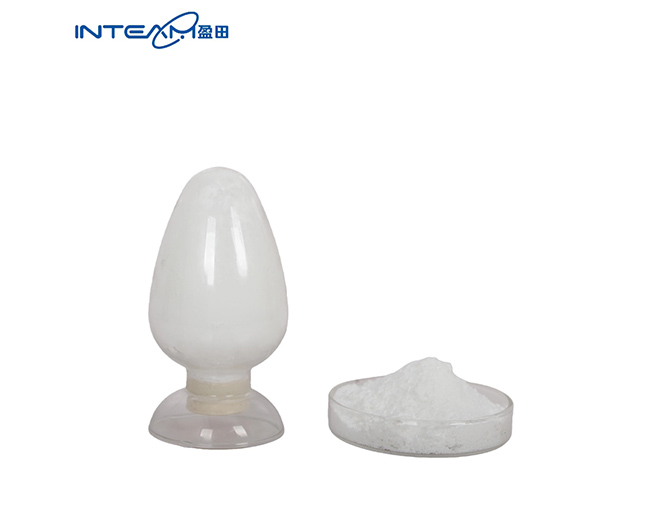
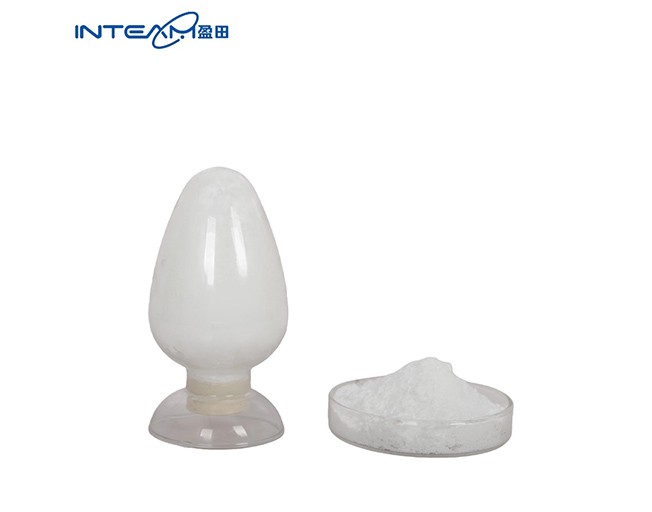
Stearic Acid
Description :
The Core Functions of Stearic Acid in PVC :
Lubrication : In PVC, it primarily acts as both an internal and external lubricant, improving melt flow, reducing material viscosity, preventing defects caused by sticking in the machine, and providing good mold release.
Thermal Stability : Although stearic acid itself is a fatty acid, it is the basis for the manufacture of stearates (such as calcium stearate, zinc stearate, and lead stearate). Adding stearic acid alone provides a certain degree of initial thermal stability.
Improved Appearance : It improves the surface gloss of PVC pipes, sheets, profiles, and films, and reduces cracks and silver streaks.
Application Precautions:
Dosage: The amount of stearic acid should not be excessive. Generally, it is 0.2-0.5 PHR in rigid PVC processing. Excessive amounts will shorten the induction period, leading to decreased melt strength, reduced hardness, and surface blooming.
Synergistic Use : It is usually used in combination with paraffin wax (such as PE wax) to exert its powerful composite lubrication effect (stearic acid for primary lubrication and internal lubrication; paraffin wax for auxiliary lubrication and external lubrication).
Formula Compatibility : In transparent product formulations, the dosage needs to be carefully adjusted to avoid affecting transparency.
Derivative Products (Stearates):
Its derivative products, such as calcium stearate (lubrication and synergy in calcium-zinc stabilizer systems), zinc stearate (inhibiting initial discoloration), and lead stearate, are often used in PVC formulations. They synergistically provide both thermal stability and lubrication.
If you are interested in any product, please contact us. We will introduce our products to you in more detail