

How Can PVC Compound Stabilizers Improve Pipe Extrusion Stability?
Time : Jun 29, 2026 View : 896
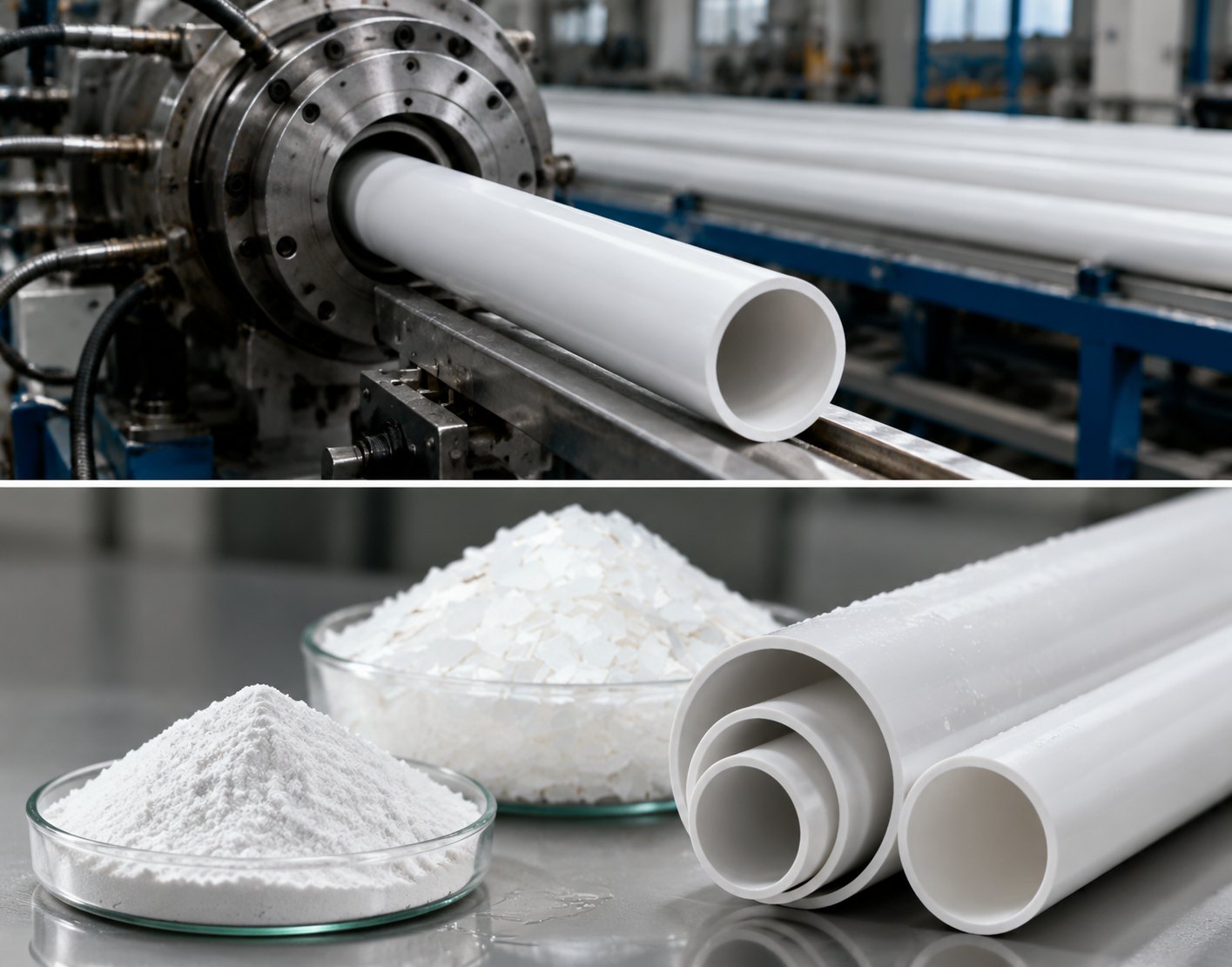
Pipe extrusion plants are under constant pressure to keep output stable while controlling material costs, energy consumption, and scrap rates. In daily production, many quality issues start from the same point: the PVC melt does not stay stable under heat and shear. At Inteam, we focus on this exact production problem with PVC compound stabilizer systems for rigid PVC pipe extrusion, especially where torque control, smooth discharge, surface gloss, and color retention all matter at the same time.
What Makes PVC Pipe Extrusion Unstable?
PVC pipe extrusion becomes unstable because PVC is naturally sensitive to heat. During processing, PVC needs enough temperature and shear to melt and plasticize, but the same conditions can also start thermal degradation. When degradation begins, hydrogen chloride is released, and this can further accelerate the degradation of PVC chains. The result is discoloration, scorching, poor melt behavior, and a decline in pipe structural integrity.
In pipe factories, this problem rarely appears as one simple defect. It may show as torque surges, slow discharge, rough pipe surfaces, die buildup, uneven gloss, yellowing during startup, or darker material after a long-term shutdown. When the screw keeps running under these conditions, the unstable melt also increases pressure on the equipment. A well-formulated PVC compound stabilizer is far more than a simple heat stabilizer, as it serves as an integrated component of the overall processing control system.
Why Does PVC Need a Compound Stabilizer During Extrusion?
PVC needs a compound stabilizer because a single additive cannot usually solve the full extrusion problem. A pipe formulation must control initial color, long-term thermal stability, plasticizing speed, internal lubrication, external lubrication, and final pipe appearance. A composite heat stabilizer is a one-package system made from two or more stabilizer components, or from a stabilizer combined with other additives that improve PVC processing and product performance.
This is why a PVC compound stabilizer is widely used in pipe extrusion. It gives the formulation a more balanced processing window. The stabilizing part helps absorb or neutralize hydrogen chloride, while the lubricant system helps reduce friction between the PVC melt and metal surfaces. When these effects work together, the extrusion line can run with better melt flow, lower torque fluctuations, and less risk of plate-out or die buildup.
How Does a Lead-Based PVC Stabilizer Support Pipe Production?
Lead-based PVC stabilizers remain widely used in rigid PVC pipe production because they provide strong long-term thermal stability, good dielectric properties, and cost-effective performance. Lead salt stabilizers are also suitable for PVC pipe, sheet, and granulation industries. For pipe manufacturers in markets where lead-based systems are accepted, this can be an important advantage because pipe extrusion often needs long production runs and stable melt behavior.
How Does HB-77 Improve Melt Flow and Torque Control?
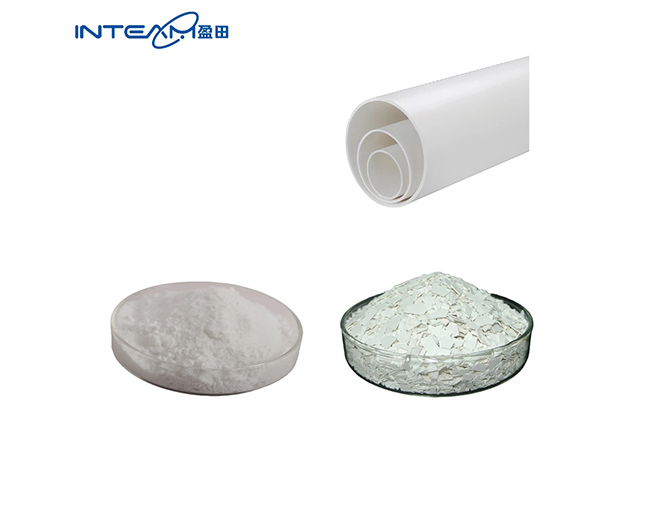
HB-77 is designed as a PVC compound stabilizer for extruded PVC pipes. Its main components include tribasic lead sulfate, lead stearate, and lubricants. This formulation direction meets the real needs of pipe extrusion because heat stability and lubrication must work together. HB-77 is a lead-based PVC heat stabilizer used to help PVC pipes process smoothly, which fits the common factory problem of unstable melt flow.
The key processing value of HB-77 is its fluidity support. It helps reduce melt viscosity and extrusion torque, which can make the discharge more stable. When torque is lower and more predictable, operators have a wider processing window during startup, speed adjustment, and continuous running. The product also supports smooth discharge and helps minimize die adhesion. For pipe factories, this matters because die buildup is not only a surface problem; it can also affect pipe dimensional stability and increase waste during cleaning.
What HB-77 Performance Matters Most in Pipe Extrusion?
The selection of a PVC compound stabilizer should be based on processing technology and final product requirements. For HB-77, the following performance points are closely related to pipe extrusion stability. The final dosage should still be adjusted according to the machine, filler level, pipe diameter, and processing conditions.
Key Performance | HB-77 Product Basis | Why It Matters in PVC Pipe Extrusion |
Melt Fluidity and Torque Control | Reduces melt viscosity and extrusion torque; supports smooth discharge | Helps the extrusion line run more steadily, reduces torque fluctuations, and improves output consistency during continuous pipe production |
Gelation and Melt Strength | Improves gelation property and melt strength | Supports better pipe structure, flatter pipe surfaces, and more stable shaping after the melt leaves the die |
Die Adhesion and Friction Reduction | Reduces friction with equipment and helps prevent die-sticking defects | Lowers the risk of die buildup, surface defects, unstable discharge, and extra downtime for cleaning |
Surface Gloss Improvement | Enhances surface gloss of finished products | Helps produce smoother, glossier PVC pipes with better appearance consistency for B2B buyers |
Color Retention After Shutdown | Offers good color retention and strong resistance to screw discoloration after long-term shutdown | Reduces yellowing, dark streaks, color differences, and startup waste after production pauses |
What Mistakes Should Be Avoided When Using PVC Lead Stabilizers?
A common mistake is using one fixed dosage for all pipe types. A pipe plant may produce small-caliber threading pipes in the morning and larger drainage pipes later, but the residence time and shear conditions are not the same. The stabilizer and lubricant balance should be checked when pipe size, filler loading, resin grade, or machine settings change.
Another mistake is ignoring storage and product separation. HB-77 should be kept away from moisture and should not be stored or transported together with non-toxic eco-friendly stabilizer systems. This matters because lead-based PVC stabilizer systems and calcium-zinc systems serve different regulatory and application needs. Mixing them carelessly can create quality risks and customer complaints, especially when downstream buyers have specific market access requirements.
A third mistake is judging the stabilizer only by purchase price. A low unit price does not help if the formula causes torque surges, die buildup, extra cleaning, unstable discharge, or high startup waste. For B2B buyers, the real cost should include material loss, production interruption, screw cleaning, surface rejection, and after-sales complaints.
Conclusion
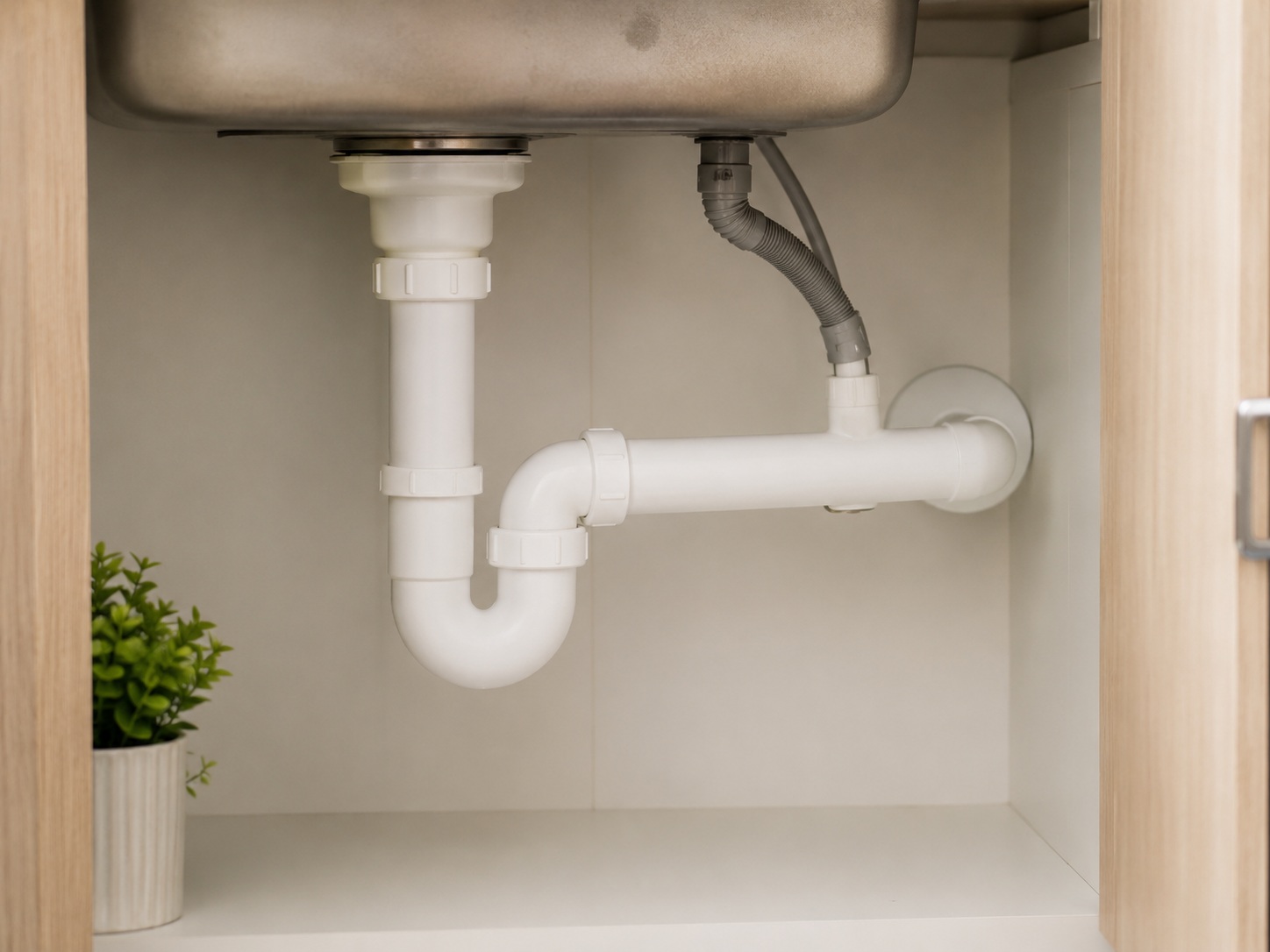
Extrusion stability is not only a machine setting issue. It is a combined result of PVC resin quality, filler ratio, screw residence time, temperature control, lubricant balance, and stabilizer selection. A PVC compound stabilizer gives pipe manufacturers a practical way to manage these variables because it combines heat stabilization with processing support.
For rigid PVC pipes in accepted markets, a lead-based PVC stabilizer can still offer strong value through long-term thermal stability, a low addition rate, and cost-effective processing. HB-77 shows how a pipe-focused PVC compound stabilizer can reduce melt viscosity, lower extrusion torque, support smooth discharge, improve gloss, shorten startup discharge time, and reduce color differences after long-term shutdowns. The final goal is not only a stable formula on paper, but a cleaner, steadier, and more predictable extrusion line.
FAQ
How does a PVC compound stabilizer improve pipe extrusion stability?
A PVC compound stabilizer improves pipe extrusion stability by protecting PVC from thermal degradation while helping the melt flow more smoothly. In pipe production, this can reduce extrusion torque, improve discharge, limit die buildup, and support better surface gloss. For HB-77, the product design combines lead-based heat stabilization with lubricant support, which is why it fits rigid PVC pipe extrusion.
Is Inteam PVC compound stabilizer suitable for water supply pipes and drainage pipes?
Inteam HB-77 is listed for extruded PVC pipes such as water supply pipes where local standards permit lead-based systems, drainage pipes, threading pipes, irrigation pipes, and electrical casing pipes. The final formula should still be adjusted according to pipe size, filler dosage, extrusion flow rate, and machine conditions. If the pipe will enter a market with strict heavy-metal restrictions, the stabilizer system should be confirmed before ordering.
What is the recommended dosage of PVC compound stabilizer HB-77?
The recommended dosage of HB-77 is 3-5 PHR, with PHR meaning parts per hundred of resin. This is a reference range rather than a fixed formula. Different machines, filler levels, and pipe specifications may require adjustment of both stabilizer and lubricant dosage, especially for small-caliber pipes with longer screw residence time.