
Compound PVC Heat Stabilizers Explained
Time : Oct 14, 2026 Просмотр : 375
Understand compound PVC heat stabilizers, one-pack formulation logic, application fit and approval checks for processors.
What Compound Stabilizers Combine
A PVC processor rarely buys heat stability alone. The production line also needs controlled fusion, lubrication, color retention, dispersion, surface quality and enough processing tolerance for normal interruptions. Compound PVC heat stabilizers are built to handle those linked demands in one prepared package instead of asking the plant to balance many separate additives every time.
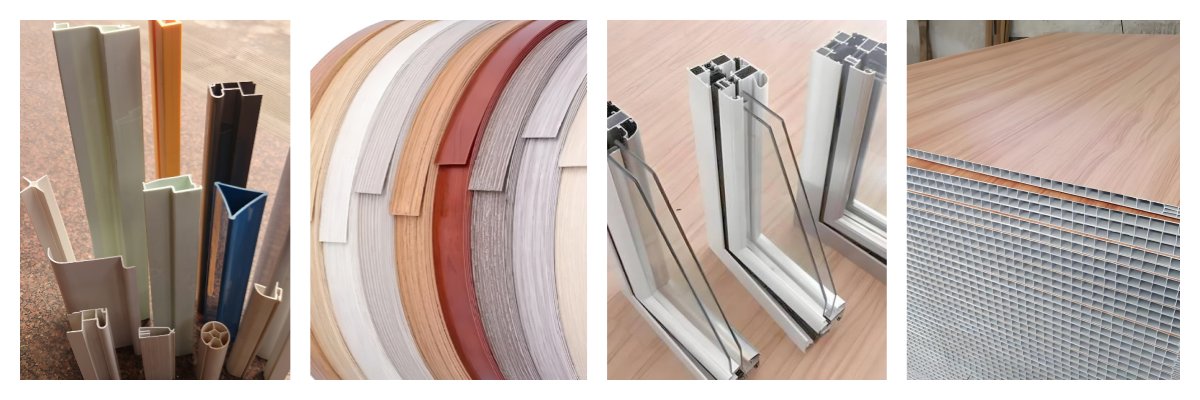
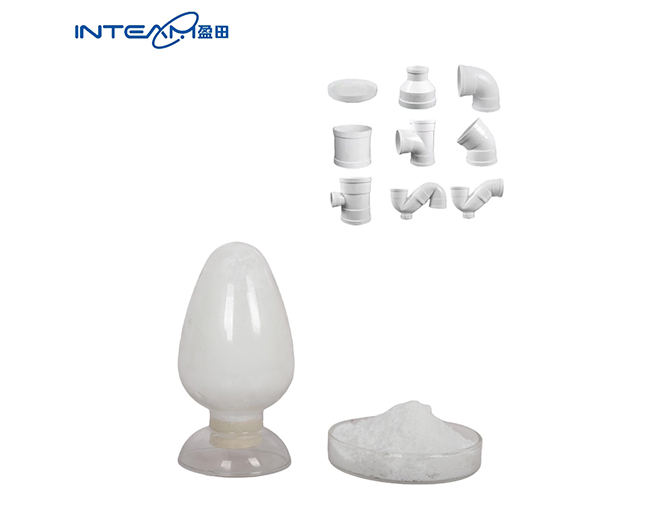
A compound PVC heat stabilizer system decision should therefore start with the finished product. Cable, pipe, profile, film, sheet, foamed board, toy material and pipe fitting formulations do not place the same stress on PVC. The same chemistry family can work very differently when filler, plasticizer, pigment, wall thickness and equipment change.
Why One-Pack Design Helps Production
Consistency Across Batches
One-pack stabilizers reduce weighing errors and improve consistency when the formulation has many moving parts. A typical compound stabilizer may combine primary heat stabilizers with lubricants, antioxidants and other functional additives. The package is designed so thermal protection and processing behavior move together within a practical operating window.
The main benefit is not convenience alone. A stable package helps the buyer define an approval standard, repeat it across shifts and control quality during scale-up. This is especially useful for plants that run high-volume PVC products and need fewer formulation adjustments during routine production.
A compound package also makes troubleshooting clearer. When many separate additives are weighed by hand, a color or torque problem may come from the stabilizer, the lubricant balance or a dosing mistake. A defined one-pack system reduces that uncertainty and gives the production team a more stable baseline.
The package still needs room for the plant’s own formula. Resin grade, calcium carbonate level, impact modifier, pigment and processing aid can all change the way a PVC heat stabilizer behaves. The best approval process checks the complete compound instead of judging the stabilizer by a small isolated sample.
Application Fit Decides the Package
Grade Mapping by Product Route
Application fit is the core selection rule. Inteam’s product range includes calcium-zinc systems for environmentally focused PVC materials, liquid calcium-zinc and barium-zinc systems for flexible products, and compound lead-based systems for pipes, profiles, sheets, cables and fittings where the market allows lead chemistry.
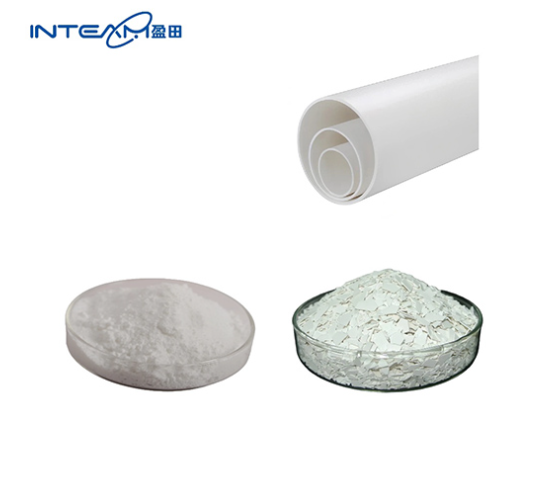
Buyers reviewing our PVC stabilizer product portfolio should map grade to application before discussing price. YC-316 is positioned for PVC pipes, YC-318 for profiles and sheets, YC-319 for pipe fittings and toy-related grades for specific non-toxic requirements. HB-77, HB-88 and HB-99 serve different lead-based rigid PVC routes and should not be merged into one generic description.
Rigid extrusion, injection molding and flexible processing place different pressure on a stabilizer. Pipe extrusion needs flow stability and dimensional control. Injection fittings need melt flow, demolding and surface gloss. Flexible film needs dispersion, color and surface compatibility. These differences explain why one compound PVC heat stabilizer cannot be treated as a universal replacement for every route.
A buyer can make the first screening faster by listing the product route before asking for a quotation. Pipe, profile, fitting, sheet, cable and film requests each lead to a different balance of thermal stability and lubrication, so the application name is not a small detail.
Performance Criteria That Matter
A useful specification should describe what the stabilizer must make possible on the line. Thermal stability matters, but it should be judged together with plasticization, torque, die pressure, color retention, surface gloss, exudation, dimensional stability and finished-product testing.
The strongest approval records usually include:
- A baseline run using the current approved formula.
- A controlled trial changing one major additive package at a time.
- Line data from startup, stable production and planned stop conditions.
- Finished-product tests tied to the buyer’s real application.
- Storage and packing checks for the selected stabilizer grade.
Product route | Common stabilizer focus | Key approval check |
PVC pipe | Flow, torque and color retention | Extrusion stability and dimensions |
PVC profile | Gelation, weld strength and weathering | Surface gloss and weld performance |
PVC film | Dispersion and transparency | Haze, exudation and color |
PVC fitting | Injection flow and demolding | Gloss, shrinkage and dimensional accuracy |
Approval Should Be Evidence Based
A one-pack stabilizer should not be approved by a short sample run alone. Some problems appear only after the line reaches thermal equilibrium or after a material pause. Others show later as plate-out, color drift, exudation, poor weld strength or unstable dimensions.
Technical discussion with our technical-support team should include the resin, filler, plasticizer, pigment, lubricant balance, processing temperature, line speed, product size and required standard. If a buyer cannot disclose the full formula, functional ranges still help the supplier narrow the recommendation.
The approval record should also define what counts as success. For one buyer, the critical point may be early color and surface gloss. For another, it may be oven aging, weld strength, Vicat performance or lower die build-up. A written approval target prevents the trial from becoming a subjective color or price conversation only.
Summary
Compound PVC heat stabilizers are practical tools for controlling thermal stability and processing behavior together. The right one-pack system is selected by application, processing window and market requirement, not by chemistry name alone.
If your team needs to compare stabilizer packages for pipe, profile, film, cable or fitting production, share the application and trial target via our contact-us page for a focused recommendation.
Часто задаваемые вопросы
What is a compound PVC heat stabilizer?
It is a prepared stabilizer package that combines heat stabilization with supporting functions such as lubrication, antioxidant support or processing balance.
Why do PVC processors use one-pack stabilizers?
They simplify dosing, reduce formulation variability and help keep production behavior more consistent across batches and shifts.
Are calcium-zinc and lead compound stabilizers interchangeable?
No. They differ in compliance profile, processing behavior, application fit and market suitability.
What is the most important selection factor?
The finished PVC product and its processing conditions are the most important starting points.
How should a new stabilizer be approved?
Use a controlled trial with line records, color checks, surface inspection and finished-product tests under real processing conditions.