
Lead Stabilizers in PVC Manufacturing
Time : Oct 07, 2026 ผู้เข้าชม : 538
Learn how lead stabilizers support PVC processing, where they still fit, and what buyers should confirm before production.
Why Lead Stabilizers Still Matter
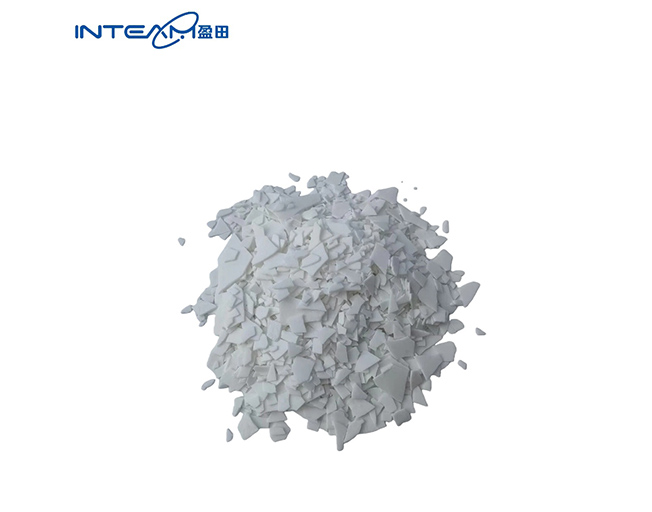
PVC processors often judge a stabilizer by what happens on the line before they look at the label. When heat, shear, filler loading and residence time rise together, a weak stabilizer package quickly causes yellowing, black specks, torque surge or rough surfaces. Lead stabilizers remain relevant in many developing markets because they deliver strong long-term heat resistance, good electrical insulation and a cost structure that fits commodity PVC production.
The practical question is not whether lead chemistry is modern or old. The better question is whether the downstream market, application risk, processing window and compliance requirements allow its use. Inteam supplies PVC stabilizer systems for buyers who need to match performance, cost and market access without confusing one application with another.
Where Lead Stabilizers Still Fit
Typical Rigid PVC Scenarios
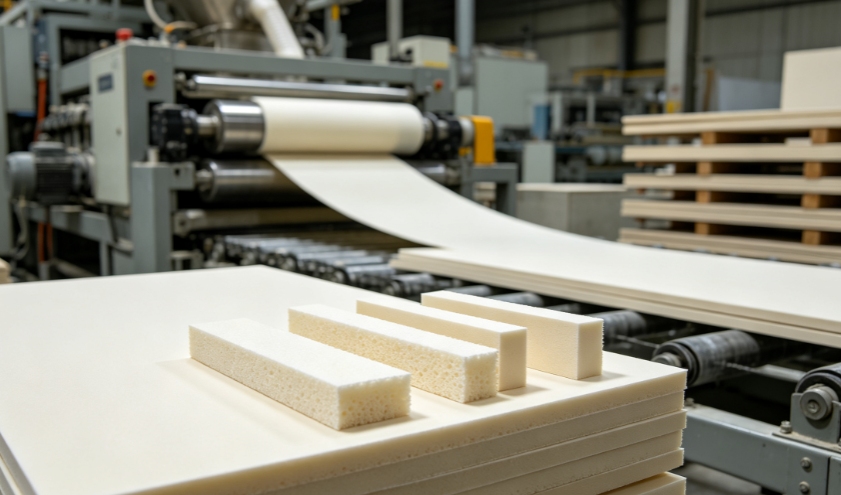
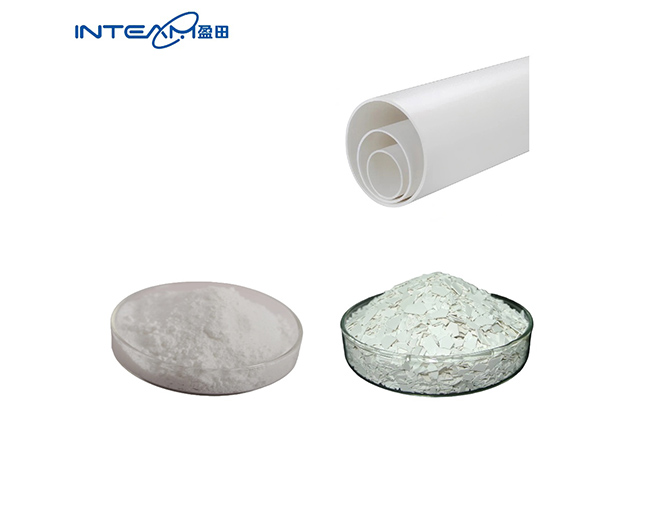
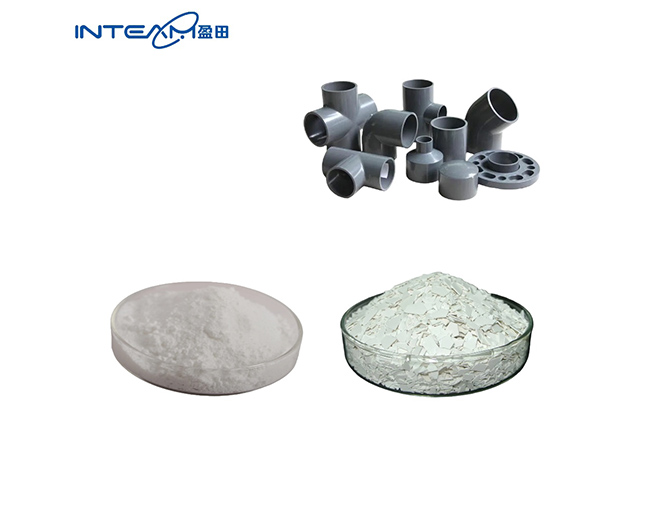
Lead stabilizers are most often considered for rigid or semi-rigid PVC products where heat stability, processing tolerance and cost matter more than food-contact or toy-grade requirements. They are commonly used for pipes, pipe fittings, profiles, sheets, foamed boards and wire or cable compounds in markets where lead-restricted regulations do not control the finished article.
A buyer evaluating lead stabilizers for PVC production should start from the product’s destination market. Domestic infrastructure materials in a non-restricted market may call for a different stabilizer selection compared with exported toys, packaging, medical products or goods sold into the European Union.
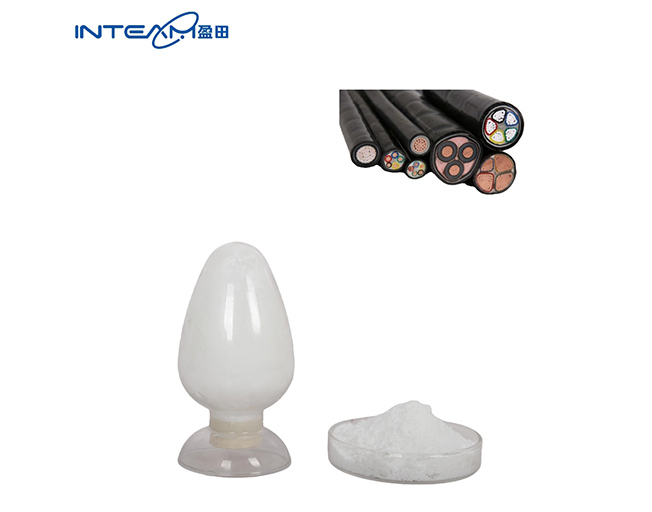
The product family also matters. Inteam HB-66 is positioned for PVC wire and cable materials, HB-77 for pipes, HB-88 for sheets and profiles, HB-88F for foamed sheets and HB-99 for pipe fittings. Those grades should not be treated as interchangeable simply because they all belong to the composite lead stabilizer family.
What the Stabilizer Must Control
PVC degradation begins when unstable chlorine sites release hydrogen chloride under heating and shear. The released HCl accelerates further degradation, and the material can shift from light yellow to brown or black if the chain reaction is not controlled. Lead salts are valued because they bind HCl effectively and deliver reliable long term heat stability for demanding processing conditions.
Processing behavior is equally important. A one-pack stabilizer must balance thermal protection with lubrication, fusion speed, melt strength and surface quality. If the stabilizer package provides adequate heat stability yet delays gelation excessively, the output may suffer from poor gloss, unstable dimensions or weak mechanical performance.
The following checks help keep the decision practical:
- Color retention after normal running and after a short planned stop.
- Torque, head pressure and discharge stability during continuous production.
- Surface defects such as pits, streaks, die deposits, black specks or roughness.
- Finished product tests required for the application, not only oven aging.
Decision point | Lead stabilizer relevance | Buyer action |
Heat stability | Strong fit for demanding rigid PVC processing | Run static and dynamic thermal stability tests| |
Market access | Allowed only where lead restrictions do not apply | Confirm destination and customer rules |
การควบคุมค่าใช้จ่าย | Often attractive for commodity PVC products | Compare total formulation cost |
Application fit | Different grades serve cables, pipes, sheets or fittings | Do not use one grade across different product applications |
How Buyers Compare Stabilizer Systems
Lead and Lead-Free Trade-Offs
A fair comparison should use the same resin, filler, pigment, lubricant and processing conditions. Changing several additives at once can hide the real cause of a processing improvement or defect. Buyers comparing lead-based PVC stabilizer options with calcium-zinc systems should also separate performance from regulatory suitability.
Lead systems usually offer strong heat resistance and attractive economics. Calcium-zinc systems are preferred when the finished product requires lead-free positioning, low-toxicity concerns, or compliance for access to stricter export markets. A plant serving both domestic and export customers may need two approved formulations rather than one universal solution.
Decision Table for Procurement
Decision point | Lead stabilizer relevance | Buyer action |
Heat stability | Strong fit for demanding rigid PVC processing | Run static and dynamic thermal stability tests |
Market access | Allowed only where lead restrictions do not apply | Confirm destination and customer rules |
การควบคุมค่าใช้จ่าย | Often attractive for commodity PVC products | Compare total formulation cost |
Application fit | Different grades serve cables, pipes, sheets or fittings | Do not use one grade across different product applications |
Practical Checks Before Approval
A supplier discussion should move from a product name to a controlled production trial. The buyer should share the PVC application, resin type, filler range, lubricant system, equipment type, target output, color requirement and finished product standards. That information allows a supplier to recommend the appropriate PVC composite stabilizer solution instead of quoting a generic stabilizer.
The final approval should define the selected grade, dosage trial range, accepted color window, line settings, packing, storage conditions and documentation. For lead systems, the buyer should also confirm that lead use is acceptable in the destination market and will not create conflicts with downstream customer requirements.
Summary
Lead stabilizers still have a clear role in PVC manufacturing when the market permits them and the application calls for stable processing at controlled cost. The safest buying decision links chemistry to the finished product, verifies line-side processing behavior and keeps compliance assessment separate from simple price comparison.
If your plant needs to compare lead and lead-free stabilizer routes for a specific PVC application, share your formulation range and product requirements via Inteam Contact-Us for a focused technical review.
คำถามที่พบบ่อย
Are lead stabilizers still used in PVC manufacturing?
Yes. They are still used in some pipes, profiles, sheets, fittings and cable compounds where local market rules allow them and their heat stability and cost-performance remain attractive.
Can lead stabilizers be used for export products?
Only when the destination market and downstream customer requirements allow lead-based additives. Products entering stricter markets often require calcium-zinc or other lead-free systems.
Why do lead stabilizers perform well in PVC processing?
They bind hydrogen chloride released during PVC degradation and deliver long-term heat stability under high-temperature processing.
Is one lead stabilizer suitable for every PVC product?
No. Pipe, sheet, profile, foamed sheet, fitting and cable compounds require different lubrication balance, heat stability and finished-product properties.
What should be tested before bulk ordering?
Evaluate color retention, torque, pressure, surface quality, dimensional stability, finished-product performance and compliance documentation under the buyer’s actual processing conditions.