
สารเพิ่มความคงตัวของ PVC ชนิดใดที่ใช้กันทั่วไปในอุตสาหกรรม
เวลา: 9 กรกฎาคม 2569 จำนวนคนดู : 820
บทนำ: ความเป็นจริงของตลาดเบื้องหลัง “สารเพิ่มความคงตัวของ PVC ที่พบได้ทั่วไป”
ในระบบการแปรรูปพีวีซี คำถามที่ว่า “สารเพิ่มความคงตัวที่ใช้กันมากที่สุด” คืออะไรนั้นมีความเชื่อมโยงโดยตรงกับการควบคุมความเสี่ยงในการแปรรูป แรงกดดันด้านกฎระเบียบ และข้อกำหนดด้านประสิทธิภาพการใช้งานขั้นสุดท้าย สารเพิ่มความคงตัวของพีวีซีเป็นสารเติมแต่งที่จำเป็นซึ่งช่วยป้องกันการเสื่อมสภาพจากความร้อน การเปลี่ยนสี และการปล่อยกรดไฮโดรคลอริกในระหว่างการแปรรูปที่อุณหภูมิสูง ทำให้มั่นใจได้ถึงความสมบูรณ์ของโครงสร้างและความเสถียรในการแปรรูปในระยะยาว
จากมุมมองทางอุตสาหกรรม ไม่มีสารกันไฟกระชากชนิดใดชนิดหนึ่งที่ใช้ได้กับทุกการใช้งาน แต่ตลาดมีโครงสร้างแบบแบ่งชั้น โดยระบบสารกันไฟกระชากที่แตกต่างกันจะครองตลาดในภูมิภาคและกลุ่มผลิตภัณฑ์ที่แตกต่างกัน อินเทมเรามุ่งเน้นที่ระบบการทำให้ PVC มีความเสถียร ซึ่งออกแบบมาเพื่อความเสถียรในการแปรรูป การปฏิบัติตามข้อกำหนด ความปลอดภัย และประสิทธิภาพของผลิตภัณฑ์ในระยะยาว
คำตอบโดยรวม: ไม่มีผู้ชนะเพียงรายเดียว แต่มีรูปแบบการครอบงำทางอุตสาหกรรมที่ชัดเจน
สารเพิ่มความคงตัวของ PVC ที่ใช้กันทั่วไปนั้นขึ้นอยู่กับว่า "ทั่วไป" ในที่นี้หมายถึงอะไร—การใช้งานในอดีต การนำไปใช้ในอุตสาหกรรมในปัจจุบัน หรือความต้องการที่สอดคล้องกับข้อกำหนดทางกฎหมาย
ในอดีต สารเพิ่มความคงตัวที่มีส่วนประกอบของตะกั่วเคยมีบทบาทสำคัญในกระบวนการผลิตพีวีซีทั่วโลก เนื่องจากมีเสถียรภาพทางความร้อนสูงและคุ้มค่า อย่างไรก็ตาม กฎระเบียบด้านสิ่งแวดล้อมและสุขภาพได้ลดการใช้งานสารเหล่านี้ในหลายตลาดลงอย่างมาก
ในปัจจุบัน การเปลี่ยนแปลงทางอุตสาหกรรมกำลังมุ่งไปสู่ระบบแคลเซียม-สังกะสีอย่างชัดเจน โดยเฉพาะอย่างยิ่งในการผลิตเพื่อการส่งออกและอุตสาหกรรมที่มีการควบคุม เช่น บรรจุภัณฑ์ วัสดุทางการแพทย์ และผลิตภัณฑ์สำหรับผู้บริโภค
สิ่งนี้ก่อให้เกิดความเป็นจริงระดับโลกที่มีโครงสร้างแบบสองขั้ว:
- ตลาดดั้งเดิมยังคงใช้สารเพิ่มความคงตัวที่มีส่วนประกอบของตะกั่วในงานที่คำนึงถึงต้นทุนเป็นหลัก
- ตลาดที่กำลังเติบโตมีการนำระบบสารกันคงตัวแคลเซียม-สังกะสีและระบบสารกันคงตัวแบบผสมมาใช้เพิ่มมากขึ้น
ประเภทของสารเพิ่มความเสถียรของแกน PVC ในการใช้งานทางอุตสาหกรรม
สารเพิ่มความคงตัวของเกลือตะกั่ว: ระบบแบบดั้งเดิมปริมาณสูง
สารทำให้คงตัวของเกลือตะกั่ว ยังคงมีการใช้งานอย่างแพร่หลายในระบบ PVC แบบดั้งเดิม เนื่องจากมีเสถียรภาพทางความร้อนสูง ประสิทธิภาพในการเป็นฉนวนไฟฟ้า และต้นทุนต่ำ ระบบเหล่านี้ยังคงพบได้ทั่วไปในท่อ แผ่น และการใช้งานขึ้นรูปด้วยการอัดรีดทั่วไป
อย่างไรก็ตาม จากมุมมองของการควบคุมความเสี่ยง การใช้งานสารเหล่านี้ถูกจำกัดในหลายภูมิภาคเนื่องจากความกังวลเกี่ยวกับความเป็นพิษและข้อจำกัดด้านการปฏิบัติตามกฎระเบียบ
ลักษณะสำคัญ:
- มีเสถียรภาพทางความร้อนสูงในระยะยาว
- ประหยัดต้นทุนสำหรับการผลิตในปริมาณมาก
- มีความเหมาะสมจำกัดสำหรับการใช้งานที่สัมผัสกับอาหารและการใช้งานทางการแพทย์
ระบบสารเพิ่มความเสถียรแคลเซียมซิงค์: ทิศทางการเติบโตหลัก
สารเพิ่มความคงตัวแคลเซียมซิงค์ (Ca-Zn stabilizer) กำลังเป็นที่นิยมใช้กันอย่างแพร่หลายในปัจจุบัน ระบบตัวยึด PVC ในตลาดที่มีการควบคุม ผลิตภัณฑ์เหล่านี้ได้รับการออกแบบมาเพื่อทดแทนสารเพิ่มความคงตัวที่มีโลหะหนัก ในขณะที่ยังคงรักษาเสถียรภาพในกระบวนการผลิตและประสิทธิภาพของผลิตภัณฑ์ไว้
ระบบสารเพิ่มความคงตัวเหลวแบบผสมแคลเซียม-สังกะสี CZ-001 ของเรา มีประสิทธิภาพการใช้งานในระดับอุตสาหกรรมโดยทั่วไปดังนี้:
- ความโปร่งใสดีเยี่ยมและความคงตัวของสีเริ่มต้นสูง
- มีกลิ่นน้อยและเป็นไปตามข้อกำหนดด้านความปลอดภัย EN-71-3
- คุณสมบัติหล่อลื่นในตัว ช่วยลดปัญหาสกรูติดและแม่พิมพ์ติด
- ทนต่อสภาพอากาศได้ดีและสีไม่ซีดจางในระยะยาว
ขอบเขตการใช้งาน:
- กระบวนการผลิตผงอิมัลชัน PVC
- ฟิล์มใสและฟิล์มยืดหดได้
- ท่ออ่อนและท่อกึ่งแข็ง
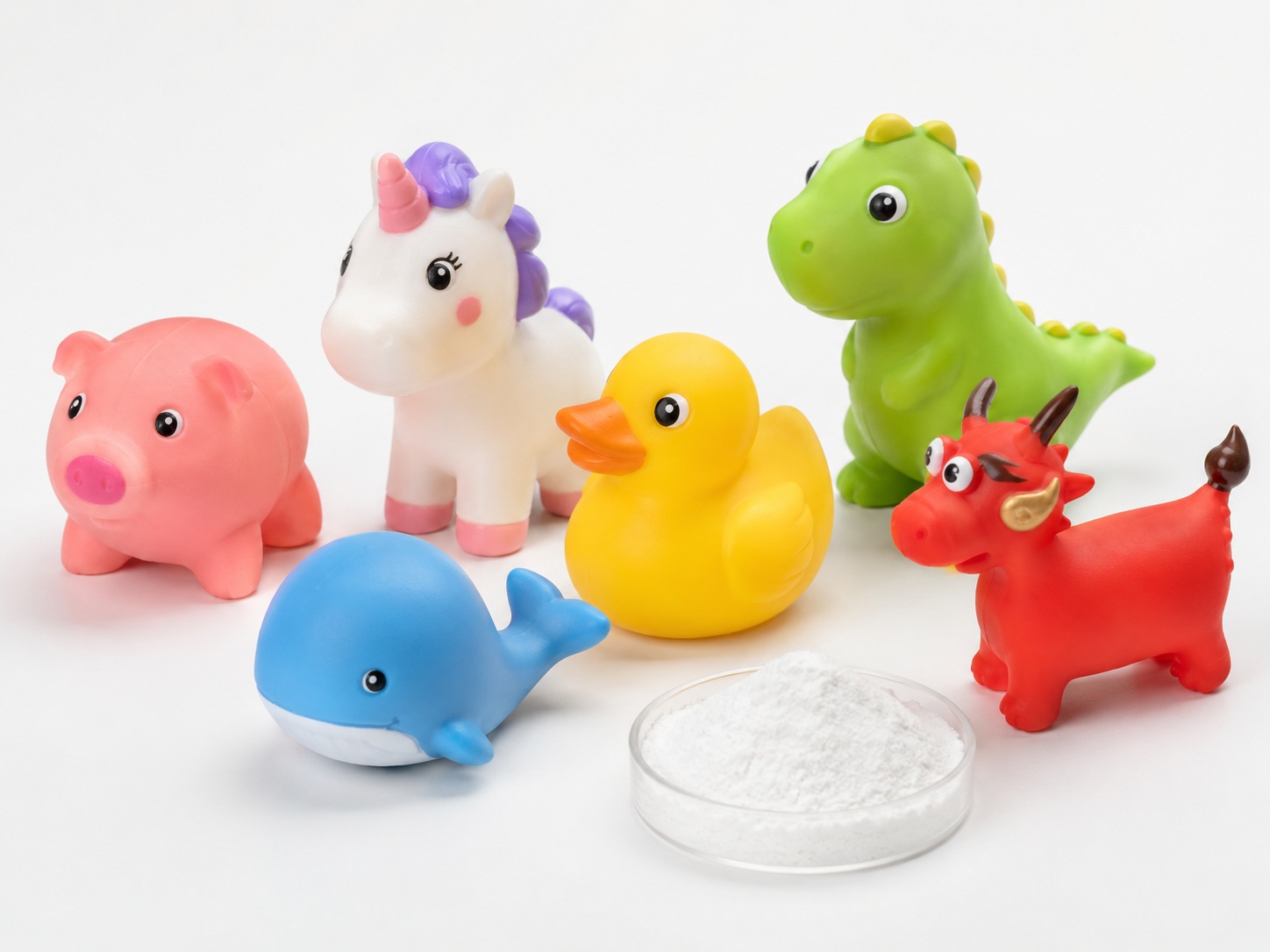
- วัสดุ PVC เกรดของเล่น
ระบบนี้ได้รับการพิจารณาให้เป็นตัวเลือกมาตรฐานมากขึ้นเรื่อยๆ ในการผลิต PVC เพื่อการส่งออก
ระบบรักษาเสถียรภาพแบเรียมซิงค์: ส่วนการประมวลผลที่ยืดหยุ่น
สารเพิ่มความคงตัวแบเรียมซิงค์ถูกนำมาใช้กันอย่างแพร่หลายในระบบพีวีซีแบบยืดหยุ่นและกึ่งแข็ง ซึ่งความเสถียรในการแปรรูปและคุณภาพพื้นผิวมีความสำคัญอย่างยิ่ง
ระบบรักษาเสถียรภาพของเหลว BZ-001 ของเรามีข้อดีที่สำคัญดังนี้:
- ความโปร่งใสและความทนทานต่อความร้อนดีเยี่ยม
- มีคุณสมบัติหล่อลื่นตัวเองสูงในระหว่างกระบวนการอัดขึ้นรูป
- ความต้านทานต่อการไหลของสารคัดหลั่งจากผิว
- คงความคงทนของสีในระยะยาวภายใต้สภาวะการจัดเก็บ
ตัวอย่างการใช้งาน:
- ฟิล์มและแผ่นที่มีความยืดหยุ่น
- ท่อกึ่งแข็ง
- ผลิตภัณฑ์ขึ้นรูปจากพีวีซีสี
ระบบแบเรียมซิงค์ชนิดวาง: การใช้งานฟิล์มเฉพาะทาง
สารเพิ่มความคงตัวของแบเรียมซิงค์ชนิดวาง เช่น YBH-300 ได้รับการปรับให้เหมาะสมสำหรับการใช้งานในการเคลือบและฟิล์มที่ต้องการการกระจายตัวที่สม่ำเสมอและการไหลในกระบวนการผลิตที่ควบคุมได้
ลักษณะสำคัญทางอุตสาหกรรม:
- เข้ากันได้ดีกับระบบเรซิน PVC
- การกระจายตัวที่เสถียรและพฤติกรรมความหนืดที่ควบคุมได้
- ประสิทธิภาพเชิงเสริมฤทธิ์ร่วมกับสารเพิ่มความยืดหยุ่นและสารหล่อลื่นเสริม
ใช้ใน:
- ฟิล์มหนังรีดเรียบ
- ฟิล์มพีวีซีที่มีฟองน้อย
- วัสดุยืดหยุ่นสีพื้น
สารเพิ่มความคงตัวของออร์กาโนทิน: ส่วนประกอบโปร่งใสประสิทธิภาพสูง
สารเพิ่มความคงตัวประเภทออร์กาโนทินถูกนำมาใช้กันอย่างแพร่หลายในผลิตภัณฑ์พีวีซีแข็งที่มีความโปร่งใสสูงและประสิทธิภาพสูง เนื่องจากมีคุณสมบัติทนความร้อนและมีความใสในระดับดีเยี่ยม แต่มีข้อจำกัดด้านต้นทุนและข้อจำกัดในการใช้งาน
ตัวอย่างการใช้งาน:
- แผ่นแข็งโปร่งใส
- วัสดุบรรจุภัณฑ์ระดับพรีเมียม
- ระบบพีวีซีเกรดทางการแพทย์
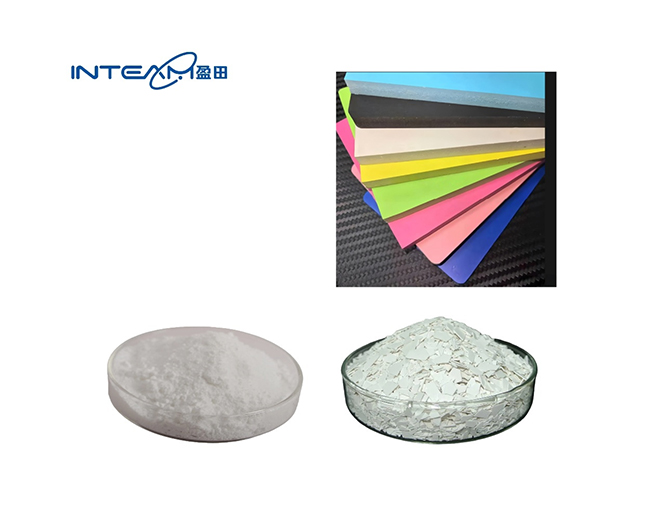
เหตุใดแคลเซียมซิงค์จึงเป็นตัวเลือกที่ "ได้รับความนิยมมากที่สุด" มากขึ้นเรื่อยๆ
จากมุมมองการจัดซื้อจัดจ้างแบบ B2B สมัยใหม่ สารเพิ่มความคงตัวแคลเซียมซิงค์กำลังกลายเป็นระบบที่ได้รับเลือกใช้บ่อยที่สุดในสายการผลิตใหม่ๆ เนื่องจาก:
- การปฏิบัติตามกฎระเบียบในตลาด EU/US
- สูตรปลอดสารพิษและปราศจากโลหะหนัก
- ใช้งานร่วมกับระบบผงเรซิน PVC (เกรด SG) ได้
- สมดุลประสิทธิภาพที่เหมาะสมสำหรับงานทั้งแบบยืดหยุ่นและแบบแข็ง
การเปลี่ยนแปลงนี้ไม่ได้เป็นเพียงเรื่องทางเทคนิคเท่านั้น แต่ยังเกิดจากความต้องการด้านการควบคุมความเสี่ยงในห่วงโซ่อุปทานและข้อกำหนดด้านการรับรองการส่งออกด้วย
ปัจจัยเสี่ยงในการแปรรูป PVC ที่มีผลต่อการเลือกใช้สารเพิ่มความคงตัว
สารเพิ่มความคงตัวของ PVC ไม่เพียงแต่เป็นสารเติมแต่งในสูตรการผลิตเท่านั้น แต่ยังเป็นส่วนประกอบในการควบคุมความเสี่ยงในกระบวนการผลิตในสภาพแวดล้อมที่มีอุณหภูมิสูงอีกด้วย
ความเสี่ยงด้านอุตสาหกรรมที่สำคัญ ได้แก่:
- การเสื่อมสภาพจากความร้อนส่งผลให้เกิดการเปลี่ยนสีและผลิตภัณฑ์ใช้งานไม่ได้
- การรั่วไหลของกรดไฮโดรคลอริกทำให้เกิดการกัดกร่อนของอุปกรณ์และการสะสมของควัน
- ความไม่เสถียรของแรงบิดและการหยุดชะงักของการประมวลผล
- คราบและการสะสมของวัสดุระหว่างการอัดขึ้นรูป
การเลือกตัวกันสั่นส่งผลโดยตรงต่อ:
- ความคงตัวของสีเริ่มต้น
- เสถียรภาพทางความร้อนในระยะยาว
- ประสิทธิภาพที่เหลืออยู่หลังการประมวลผล
หลักการคัดเลือกเชิงอุตสาหกรรมสำหรับผู้ซื้อแบบ B2B
ในการจัดซื้อจัดจ้างด้านวิศวกรรม การเลือกใช้สารกันการเสื่อมสภาพจะพิจารณาจากความเสี่ยงตามการใช้งานมากกว่าความชอบทางเคมี:
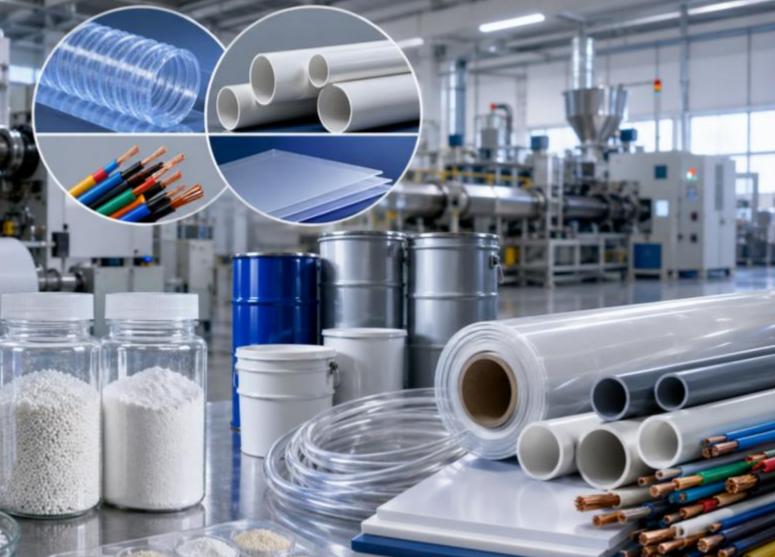
- ผลิตภัณฑ์โปร่งใสให้ความสำคัญกับความใสและระบบลดการซึมของของเหลว
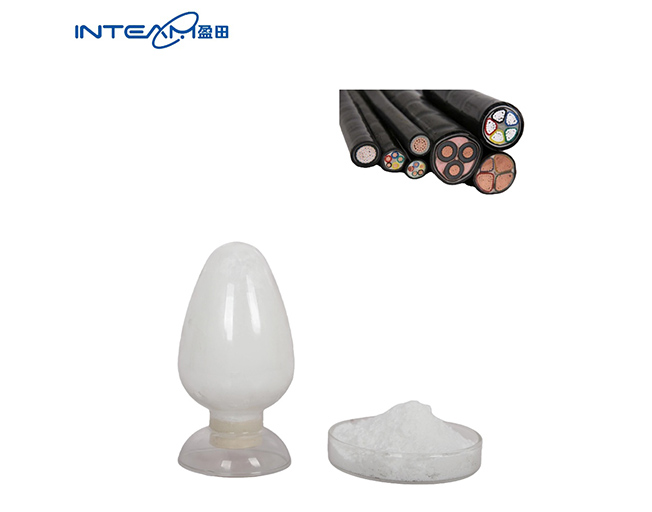
- ระบบสายไฟและสายเคเบิลให้ความสำคัญกับการเป็นฉนวนไฟฟ้าและความเสถียร
- ระบบท่อให้ความสำคัญกับความทนทานต่อความร้อนในระยะยาว
- ระบบฟิล์มให้ความสำคัญกับการกระจายแสงและความเรียบเนียนในการประมวลผล
ด้วยเหตุนี้ ระบบกันสั่นแบบคอมโพสิตจึงถูกนำมาใช้ในอุตสาหกรรมต่างๆ มากขึ้นเรื่อยๆ
ระบบกันสั่นแบบคอมโพสิตเป็นมาตรฐานอุตสาหกรรมในปัจจุบัน
การผลิตพีวีซีสมัยใหม่กำลังเปลี่ยนไปสู่ระบบสารเพิ่มความคงตัวแบบผสมหรือแบบ "แพ็คเดียว" ซึ่งรวมเอาส่วนประกอบต่างๆ ดังนี้:
- สารเพิ่มความคงตัวหลัก (Ca-Zn / Ba-Zn / ออร์กาโนติน)
- สารหล่อลื่นสำหรับการควบคุมกระบวนการผลิต
- สารช่วยคงสภาพ เช่น ฟอสไฟต์และสารต้านอนุมูลอิสระ
โครงสร้างนี้ช่วยปรับปรุง:
- ความสม่ำเสมอในการประมวลผล
- ประสิทธิภาพการกระจายตัวในสารประกอบ PVC
- การเพิ่มประสิทธิภาพด้านต้นทุนและประสิทธิภาพ
- ลดความซับซ้อนของสูตร
การเข้าถึงการสนับสนุนด้านวิศวกรรมและการจัดซื้อจัดจ้าง
ที่ อินเทมเราให้การสนับสนุนลูกค้าในภาคอุตสาหกรรมด้วยระบบ PVC ที่มีเสถียรภาพ รวมถึงสูตรแคลเซียม-สังกะสี แบเรียม-สังกะสี และสูตรผสมต่างๆ ที่ออกแบบมาสำหรับการอัดรีด การรีดเรียบ และการฉีดขึ้นรูป
สำหรับการขอคำปรึกษาทางเทคนิค การจับคู่สูตร หรือการเสนอราคาจำนวนมาก ทีมงานฝ่ายผลิตสามารถส่งความต้องการวัสดุหรือเงื่อนไขการใช้งานได้โดยตรงผ่านช่องทางต่อไปนี้ แพลตฟอร์มอย่างเป็นทางการของเรา.
คำถามที่พบบ่อย: การเลือกสารเพิ่มความคงตัวของ PVC สำหรับผู้ซื้อในภาคอุตสาหกรรม
สารเพิ่มความคงตัวของ PVC ที่ใช้กันทั่วไปในอุตสาหกรรมปัจจุบันคืออะไร?
สารเพิ่มความคงตัวที่มีตะกั่วเป็นส่วนประกอบยังคงเป็นที่นิยมมาอย่างยาวนาน ในขณะที่สารเพิ่มความคงตัวที่มีแคลเซียมและสังกะสีเป็นส่วนประกอบกำลังได้รับความนิยมมากขึ้นเรื่อยๆ ในระบบการผลิตที่ทันสมัยและเป็นไปตามมาตรฐาน
เหตุใดสารเพิ่มความคงตัวแคลเซียมซิงค์จึงเข้ามาแทนที่ระบบแบบดั้งเดิม?
เนื่องจากไม่เป็นพิษ สอดคล้องกับกฎระเบียบด้านสิ่งแวดล้อม และเหมาะสมสำหรับการใช้งานที่สัมผัสกับอาหารและการส่งออก
สามารถใช้สารเพิ่มความคงตัว PVC ที่แตกต่างกันร่วมกันได้หรือไม่?
ใช่แล้ว ระบบเพิ่มความเสถียรแบบผสมผสานจะรวมสารเพิ่มความเสถียรหลักเข้ากับสารหล่อลื่นและสารเติมแต่งเสริม เพื่อปรับปรุงความเสถียรโดยรวมของกระบวนการผลิต
วิธีเลือกสารเพิ่มความคงตัวสำหรับผลิตภัณฑ์ PVC ประเภทต่างๆ?
การเลือกใช้ขึ้นอยู่กับประเภทการใช้งาน รวมถึงข้อกำหนดด้านความโปร่งใส ความต้องการด้านความต้านทานความร้อน และระดับการปฏิบัติตามกฎระเบียบ
หากเลือกสารกันการสั่นสะเทียนไม่ถูกต้อง ความเสี่ยงหลักๆ มีอะไรบ้าง?
การเลือกวัสดุที่ไม่ถูกต้องอาจนำไปสู่การเปลี่ยนสี การเสื่อมสภาพจากความร้อน ความไม่เสถียรในกระบวนการผลิต และประสิทธิภาพเชิงกลที่ลดลงของผลิตภัณฑ์ขั้นสุดท้าย
สรุป: นิยามของตลาดกำลังเปลี่ยนแปลง ไม่ได้คงที่
สารเพิ่มความคงตัวสำหรับ PVC ที่ใช้กันทั่วไปมากที่สุดนั้น ไม่ได้จำกัดอยู่แค่สารชนิดเดียวอีกต่อไปแล้ว อุตสาหกรรมกำลังเปลี่ยนผ่านจากระบบเดิมที่ใช้ตะกั่วเป็นหลัก ไปสู่ระบบที่ใช้แคลเซียมสังกะสีและสารเพิ่มความคงตัวแบบผสมหลายชนิด โดยมีข้อกำหนดด้านกฎระเบียบ ความปลอดภัย และประสิทธิภาพเป็นแรงผลักดัน
ที่ Inteam เรายังคงพัฒนาโซลูชันสารเพิ่มความคงตัวที่สร้างสมดุลระหว่างความเสถียรในกระบวนการผลิต การปฏิบัติตามข้อกำหนดด้านสิ่งแวดล้อม และประสิทธิภาพของวัสดุในระยะยาว สำหรับระบบการผลิต PVC ทั่วโลก
| สารเพิ่มความคงตัวของ PVC - คำอธิบาย - การใช้งานและความสำคัญทางอุตสาหกรรม | สารเพิ่มความคงตัวของสารประกอบ PVC สามารถปรับปรุงความเสถียรของการอัดขึ้นรูปท่อได้อย่างไร