

Kalsiyum-çinko stabilizatörü PVC oyuncak ihracatını nasıl destekleyebilir?
Tarih: 26 Haziran 2026 Görüntülenme: 937
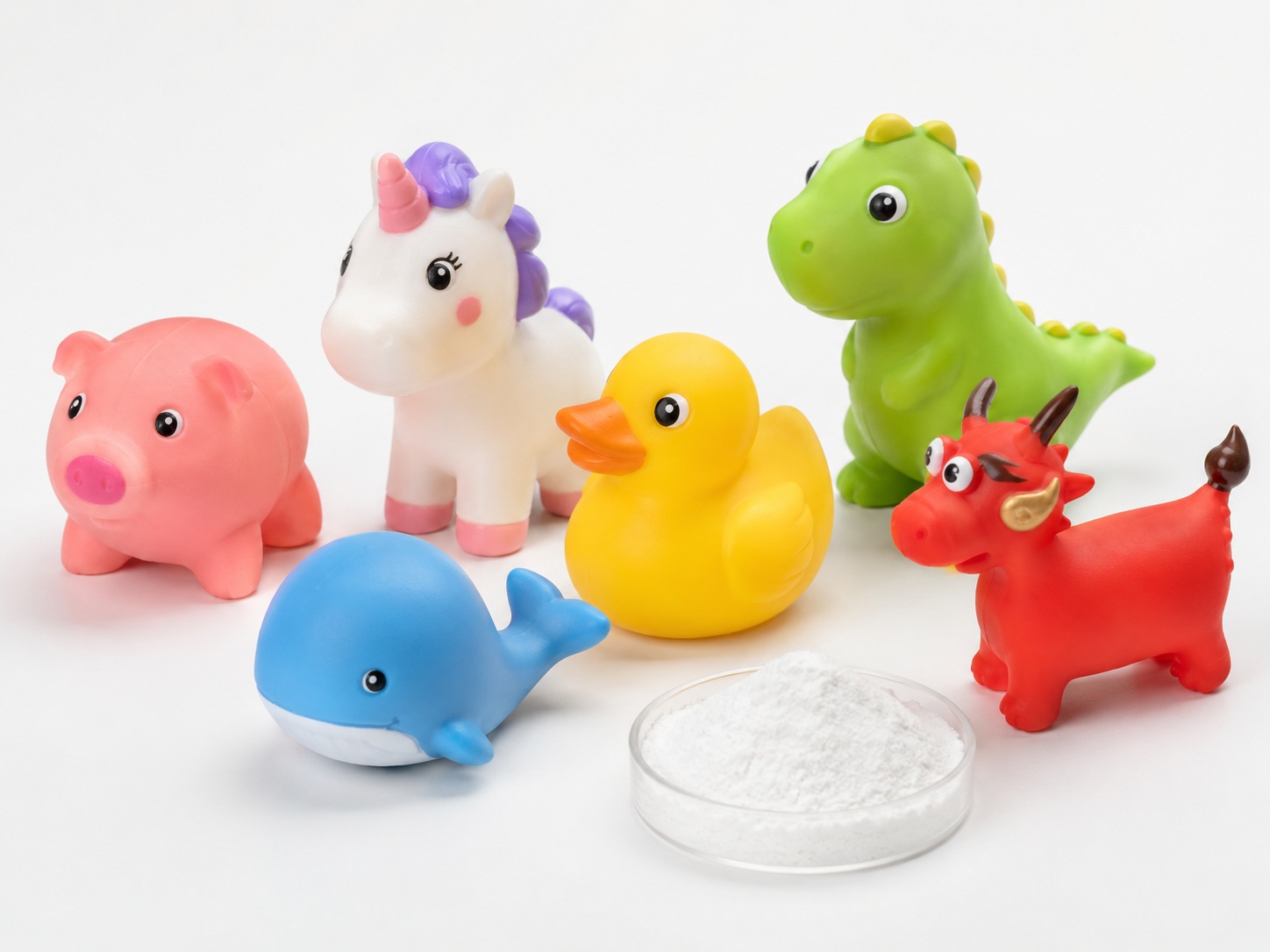
PVC oyuncak bileşenleri günümüzde katı ihracat şartlarıyla karşı karşıya. Yurtdışı alıcılar sadece yumuşaklık ve düşük fiyatlara değil, formülasyonun kurşun tehlikesini önleyip önlemediğini, plastikleştiricilerin katı kimyasal limitlere uyup uymadığını ve son kalıplanmış ürünün temiz ve kusursuz bir yüzeyi koruyup koruyamayacağını bilmek istiyorlar. Inteam'ınYumuşak figürlerde, enjeksiyon kalıplı parçalarda ve diğer PVC oyuncak ürünlerinde bu artan talebi görüyoruz. Kötü kokular, sarı tonlar veya yüzey kaplama sorunları sevkiyat onayını hızla etkileyebilir. Yüksek kaliteli kalsiyum çinko stabilizatör, fabrikaların daha güvenli PVC oyuncak bileşenleri üretmesine ve günlük işlemeyi daha istikrarlı hale getirmesine yardımcı olur.
PVC oyuncak malzemesini işleme sırasında hassas kılan nedir?
Enjeksiyon kalıplama ve yüksek kesme kuvvetli karıştırma sırasında, PVC reçinesi renk bozulması, HCl salınımı veya yüzey kusurları olmadan ısıya ve mekanik strese dayanmalıdır. Bu aşamada, zayıf klor bağları kopar. Zararlı hidrojen klorür gazı açığa çıkarırlar. Bu asidik gaz oluştuğunda, plastik çok daha hızlı bozulur. Bu hızlı bozulma, koyu lekeler ve çirkin sararmalara neden olur. HCl dumanları oluşturabilir, asidik duman birikimine neden olabilir ve ekipman korozyonunu hızlandırabilir. Ayrıca nihai plastik parçayı da zayıflatır. Yumuşak karışımların yönetimi daha da zordur. Birçok farklı bileşeni mükemmel bir şekilde dengelemeniz gerekir. Renk pigmentleri, yumuşatıcılar, ucuz dolgu maddeleri ve kayganlaştırıcılar birbirleriyle çatışmadan birlikte çalışmalıdır.
Uygun bir şekilde PVC için kalsiyum çinko stabilizatörü Birden fazla işi aynı anda halleder. İlk rengi sabitler. Uzun süreli ısı direnci sağlar. Ayrıca erimiş plastiğin sorunsuz akmasını sağlar. Karışımın ne kadar hızlı eridiğini kontrol eder ve erime akışını, yüzey parlaklığını ve kalıplanmış parçanın tutarlılığını iyileştirmeye yardımcı olur. Karışımınız yeterli korumaya sahip değilse, hemen kusurlar göreceksiniz. Plastikte gümüş çizgiler veya sıkışmış hava kabarcıkları oluşabilir. Dokusu pürüzlü hissedilebilir. Yumuşak oyuncağın içinde sert bir koku veya sert parçalar fark edebilirsiniz.
Kalsiyum-çinko stabilizatörü bozunmayı nasıl kontrol eder?
Kalsiyum çinko stabilizatörü, kalsiyum ve çinko bileşenlerinin sinerjik etkisiyle çalışır. Çinko bileşeni, polimer zincirindeki kararsız klor bölgeleriyle hızlı bir şekilde reaksiyona girerek parlak başlangıç renginin korunmasına yardımcı olur. Kalsiyum bileşeni ise aşındırıcı HCl gazını nötralize ederek işlem sırasında daha uzun süreli termal stabiliteyi destekler.
İyi tasarlanmış bir kalsiyum-çinko stabilizatörü, yardımcı stabilizatörler de içerir. Bu bileşenler, çinko klorürün zararlı birikimini geciktirmeye yardımcı olur. Bu destek olmadan, PVC yüksek sıcaklıkta işleme sırasında ani yanma veya kararma yaşayabilir. PVC oyuncak bileşenleri için bu stabilite özellikle önemlidir çünkü açık renkli ve parlak renkli oyuncaklar sararma, siyah lekeler ve yüzey kusurlarını çok belirgin bir şekilde gösterir.
YC-319WJ, oyuncak sınıfı PVC formülasyonlarına nasıl uyum sağlar?
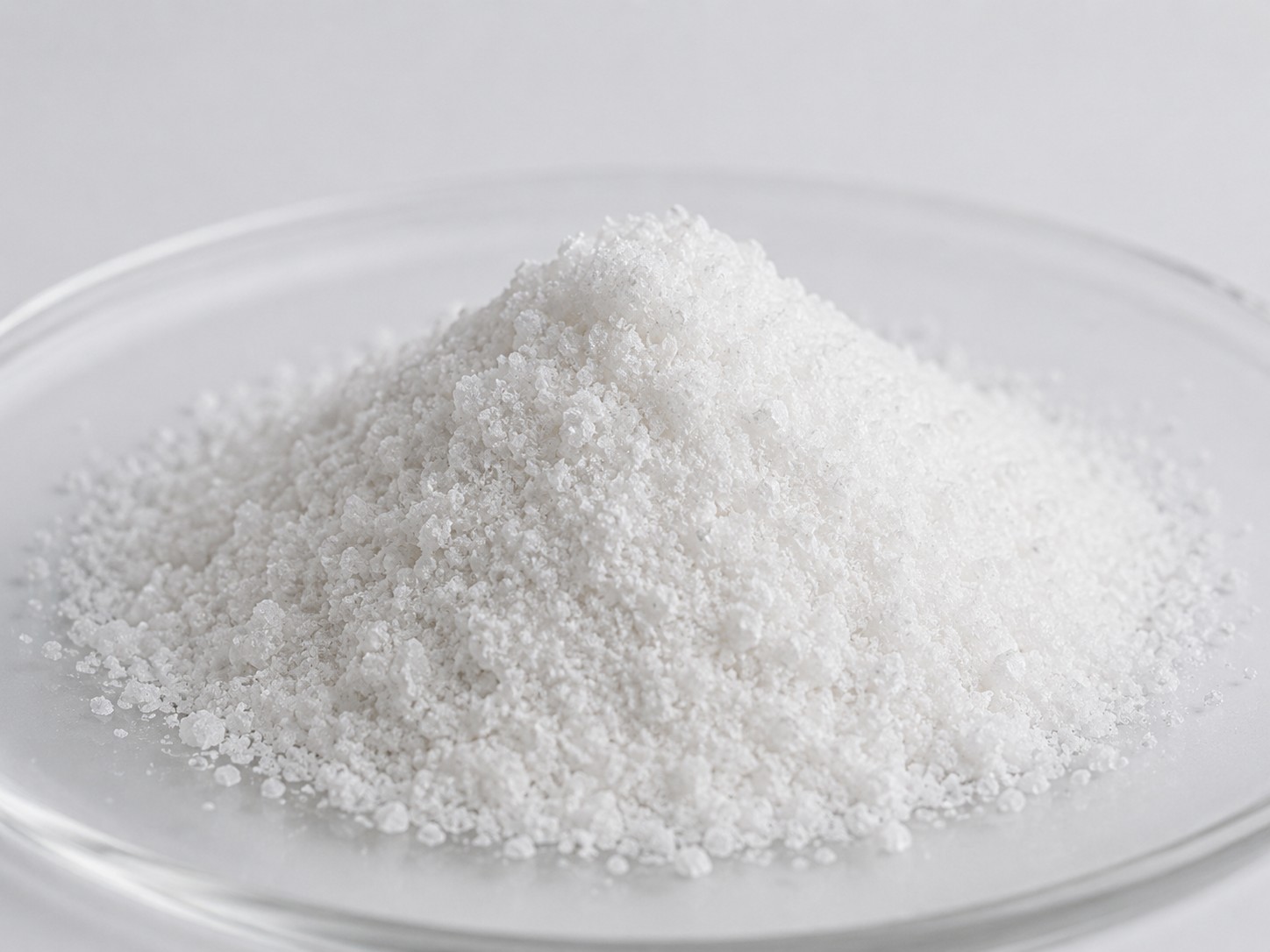
YC-319WJ, oyuncak sınıfı PVC formülasyonları için tasarlanmıştır. Kalsiyum ve çinko yağ asidi sabunlarına dayalı organik bir kompozit yapı kullanır. Isıl yaşlanma direncini desteklemek için yüksek verimli ısıya dayanıklı sinerjistler ve antioksidanlarla harmanlanmıştır. Ürün, tipik özgül ağırlığı 1,5 ± 0,1 olan ince, açık sarı veya beyaz bir toz halindedir.
Performans Odaklı | YC-319WJ Özelliği | PVC Oyuncak İhracatı İçin Neden Önemli? |
Uyumluluk Desteği | RoHS, REACH, PAH ve NO-16P gerekliliklerini destekler. | PVC oyuncak üreticilerinin, düzenlenmiş pazarlara satış yapan nihai alıcılar için daha güvenli formülasyonlar geliştirmelerine yardımcı olur. |
Renk Kararlılığı | Mükemmel başlangıç renk stabilitesi ve sararmaya karşı performans | Doğal renkli ve açık renkli oyuncak ürünlerinde sararmayı, renk değişimini ve görünüm kusurlarını azaltır. |
İşleme Akışı | Mükemmel akışkanlık ve kolay jel oluşumu | Enjeksiyon kalıplama sırasında PVC bileşiklerinin eşit şekilde erimesine yardımcı olur ve istikrarlı üretim döngülerini destekler. |
Yüzey Kalitesi | Pürüzsüz yüzey, kabarcık ve gümüş izlerden arındırılmış. | Kalıplanmış oyuncakların görünümünü iyileştirir ve alıcının incelemesini etkileyebilecek görünür kusurları azaltır. |
Yağış Önleme Performansı | Çökme yapmaz, baskısı kolaydır ve boyası kolayca soyulmaz. | Oyuncak son işleminde yüzey kaymasını, baskı sorunlarını ve boya yapışma problemlerini azaltmaya yardımcı olur. |
YC-319WJ, PVC oyuncak üretiminde belirli üretim hedeflerini hedeflemektedir. İlk renk stabilitesini destekler, sararmayı önleyici performans sağlar, erime akışkanlığını iyileştirir ve bileşiğin eşit şekilde plastikleşmesine yardımcı olur. Ek olarak, yüzey çökelmesini, sızıntıyı ve yüzey göçünü önlemeye yardımcı olarak daha sonraki boyama veya baskı işlemlerini destekler. Bu faydalar, genellikle ihracat reddine neden olan kusurlarla doğrudan ilgilidir.
Kalsiyum çinko stabilizatörü hangi üretim sorunlarının azaltılmasına yardımcı olabilir?
Güvenilir bir kalsiyum-çinko stabilizatörü PVC oyuncak üretiminde güvenli bir formülasyonun önemli bir parçasıdır. Seçilen plastikleştiriciler, mumlar, mineral dolgu maddeleri ve renklendiricilerle uyumlu olmalıdır. Formülasyonun tamamı iyi dengelendiğinde, bileşik daha düzgün erir ve uyumluluk gereksinimlerini karşılama şansı daha yüksek olur. Bununla birlikte, uyumsuz bileşenler, depolama veya sevkiyat sonrasında ortaya çıkabilecek gizli kusurlar yaratabilir.
Ağır metal uyarıları genellikle eski kurşun tuzu stabilizatörleriyle ilişkilidir. Ftalat uyarıları, DOP veya başka bir kısıtlı ftalat plastikleştirici kullanımını gösterebilir. Keskin, yanık bir koku, aşırı ısınmayı veya yetersiz termal stabilizasyonu gösterebilir. Kalıplanmış parçalar kolayca çatlıyorsa, formülasyon aşırı mineral dolgu maddeleri veya yetersiz esnek plastikleştiriciler içerebilir. Oyuncak yapışkan hissediliyorsa, katkı maddesi göçü meydana geliyor olabilir. Yüksek kaliteli bir kalsiyum-çinko stabilizatör, ısıya bağlı işlem kusurlarını azaltmaya yardımcı olabilir, ancak tam uyumluluk için yine de tam formülasyon kontrolü gereklidir.
Üreticiler Formül ve İşleme Süreçlerini Nasıl Ayarlamalı?
Fabrika yöneticileri, üretime başlamadan önce gerekli yumuşaklığı, tam rengi, hedef pazarı ve makine tipini teyit etmelidir. Deneme testleri, temel bir formülasyondan başlayarak yapılabilir; ardından kalsiyum çinko stabilizatör dozu, kalsiyum karbonat dolgu maddesi seviyesine, pigment sistemine, balmumu dozuna ve makine karıştırma gücüne göre ayarlanabilir.
YC-319WJ için başlangıç referansı olarak aşağıdaki formül kullanılabilir:
Formül Bileşeni | Referans Ekleme Seviyesi |
Saf PVC reçinesi | 100 parça |
Mineral dolgu maddesi | 25-50 parça |
YC-319WJ kalsiyum çinko stabilizatörü | 3-5 parça |
İşlem yardımı | Yaklaşık 2 parça |
Yağlama mumu | Ekipman koşullarına göre uygun miktar |
Oyuncak sınıfı PVC bileşikleri, dikkatli işleme kontrolü gerektirir. Ham tozlar karıştırılmadan önce kuru tutulmalıdır. Karıştırma hızı sabit ve kontrollü olmalıdır. Sıcak namlu içindeki erime süresi çok uzun olmamalıdır. Üreticiler ayrıca kalıpları ve vidaları düzenli olarak temizlemelidir, çünkü yanmış polimer kalıntısı yeni partilerde koyu lekeler bırakabilir. İhracat siparişleri için, alıcı incelemesi ve kalite takibi için formül kayıtları, sıcaklık ayarları, makine parametreleri ve laboratuvar test raporları saklanmalıdır.
Sonuç
Kalsiyum çinko stabilizatörü, PVC oyuncak üreticileri için pratik bir değer yaratır. Kimyasal güvenliği, istikrarlı işlemeyi ve daha iyi bir nihai ürün görünümünü bir araya getirmeye yardımcı olur. Kurşunsuz formülasyon tasarımını destekler, HCl ile ilgili bozulmayı azaltır, sararmayı önler ve pürüzsüz ve parlak kalıplanmış bir yüzeyin korunmasına yardımcı olur. Bu avantajlar, numune testinden, alıcı denetiminden ve toplu sevkiyattan önce önemlidir.
YC-319WJ, PVC oyuncak üretimi için özel olarak geliştirilmiş bir kalsiyum-çinko stabilizatörüdür. Oyuncak sınıfı PVC bileşikleri için net dozaj kılavuzu ve istikrarlı işleme desteği sağlar. Yurtdışı sevkiyat hazırlayan üreticiler için doğru stabilizatörü seçmek sadece bir formülasyon kararı değildir. Aynı zamanda üretim istikrarını, alıcı güvenini ve uzun vadeli ihracat işini korumaya da yardımcı olur.
SSS
PVC oyuncak malzemesi için ne kadar kalsiyum çinko stabilizatörü kullanmalıyım?
YC-319WJ için önerilen dozaj, 100 kısım saf PVC reçinesi başına 3-5 kısımdır. Nihai dozaj, kalsiyum karbonat dolgu maddesi seviyesine, balmumu miktarına, işlem sıcaklığına, pigment sistemine ve hedef pazar gereksinimlerine göre ayarlanmalıdır.
Inteam kalsiyum çinko stabilizatörü, PVC oyuncakların ihracat testlerinden geçmesine yardımcı olabilir mi?
YC-319WJ, RoHS, REACH, PAH ve NO-16P gerekliliklerine uygun formülasyon tasarımını destekler. Nihai test sonuçları, plastikleştiriciler, pigmentler, dolgu maddeleri, yağlayıcılar ve diğer katkı maddeleri de dahil olmak üzere tüm bileşen sistemine bağlıdır.
PVC oyuncak malzemesine kalsiyum çinko stabilizatörü eklendikten sonra neden hala kokuyor?
Kötü kokular genellikle gizli ısı hasarına işaret eder. İşlem sıcaklığı çok yüksek olabilir veya eriyik çok uzun süre namlu içinde kalmış olabilir. Düşük kaliteli plastikleştiriciler, nemli ham tozlar, yetersiz havalandırma veya kirlenmiş ekipman da sert kokulara neden olabilir. Tüm formülasyon ve işlem koşulları birlikte kontrol edilmelidir.
Kalsiyum-çinko stabilizatör, PVC oyuncaklardaki yapışmayı veya plak oluşumunu azaltabilir mi?
Kalsiyum çinko stabilizatörü, termal bozulma ve zayıf katkı maddesi uyumluluğuyla ilgili yapışma veya kaplama oluşumunu azaltmaya yardımcı olabilir. Bununla birlikte, yağlı yüzeyler aşırı balmumu, uygun olmayan plastikleştiriciler veya dengesiz bir dolgu sistemi nedeniyle de oluşabilir. Büyük ölçekli üretime geçmeden önce küçük partiler halinde test yapılması önerilir.