
How PVC Stabilizer Systems Improve Outdoor PVC Durability
Time : Aug 13, 2026 Görüntüleme : 474
Outdoor PVC products are exposed to continuous environmental stress, including sunlight, heat, oxygen, moisture and temperature changes. Without effective stabilization, PVC materials may experience gradual discoloration, surface deterioration, reduced mechanical performance and shortened service life.
For PVC makers and buying teams, improving the weathering durability of outdoor PVC products requires targeted formulation optimization. You cannot just pick a single additive. A well-balanced PVC'nin stabilizer system needs to fit the specific resin type. It must also match the processing conditions, the chosen pigment system, and the final end-use needs. With careful formulation design, PVC stabilizer systems help these products maintain stable performance. This protective performance remains stable during high-temperature manufacturing and long-term outdoor weather exposure.
Why Outdoor PVC'nin Requires a Stabilization System
PVC resin itself has inherent stability limitations. During manufacturing, the plastic faces high heat and strong shear forces. These harsh conditions can release hydrogen chloride (HCl). This release speeds up harmful degradation reactions. Without enough protection, the material might turn yellow or brown. It can also suffer physical damage and lose important structural traits.
During long-term outdoor exposure, heat, light and oxygen accelerate PVC aging processes. Proper stabilization systems help protect PVC materials against these aging factors. They boost the material’s defense against breakdown. Consequently, they preserve the overall product quality year after year.
However, outdoor durability does not depend on stabilizer selection alone. The final performance is influenced by multiple formulation factors, including:
- PVCresin characteristics
- Pigment and filler systems
- Plasticizer selection
- İşlem sıcaklığı
- Product thickness
- Application environment
Therefore, stabilizer selection should always be based on the complete formulation and end-use requirements rather than a general additive specification.
7 Benefits of PVC'nin Stabilizer Systems for Outdoor Applications
1. Better Color Retention and Reduced Discoloration
During PVC degradation, molecular chain damage and dehydrochlorination reactions may cause discoloration and performance loss. This process slowly ruins the original look of the finished items. An effective stabilization system helps reduce degradation reactions. As a result, it ensures much better color consistency during both factory production and daily field use.
This matters greatly for items like exterior profiles, solid sheets, and various outdoor parts. Better color retention lets producers keep a uniform visual appeal. Consequently, it lowers the number of buyer complaints linked to fading or yellowing.
2. Improved Weather Resistance During Long-Term Use
Outdoor PVC products must withstand continuous exposure to sunlight, heat and oxygen. A suitable stabilization system helps slow down aging processes related to environmental exposure and supports long-term weather resistance.
In practical applications, weather resistance depends on the interaction between stabilizers and other formulation components. Phosphite antioxidants, for example, can provide antioxidant effects and work together with other stabilization components to improve weather resistance and color protection.
3. Maintained Mechanical Properties
PVC degradation affects molecular structure and can gradually reduce mechanical performance.
A properly designed stabilizer system helps protect PVC materials from degradation-related performance loss, allowing finished products to better maintain designed properties such as strength, flexibility and impact resistance.
For outdoor applications, this is especially important for products that require long-term structural reliability, including:
- PVCpipes
- profiles
- cable materials
- outdoor sheets
4. Reduced Risk of Cracking and Material Embrittlement
Long-term environmental exposure can accelerate material aging, resulting in brittleness and cracking risks.
By carefully managing breakdown reactions, these stabilizer systems help maintain material integrity and reduce premature failures caused by aging. They successfully stop early product failures tied to aging. Ultimately, this boosts the lifespan of items facing temperature fluctuations, outdoor exposure and mechanical stress.
5. Improved Processing Stability and Product Consistency
Outdoor durability begins during manufacturing.
These protective additives are strictly necessary. Factory processing heat sits dangerously close to the point where PVC starts breaking down. During heavy extrusion or molding tasks, these chemicals stop heat damage. They also prevent ugly discoloration and sudden losses in physical strength.
Blended stabilizer packages mix several active ingredients together. This smart mix achieves a very balanced overall performance. It ensures excellent thermal stability, smooth continuous processing, and compliance with end-product performance standards.
This helps manufacturers achieve:
- Stable production cycles
- Consistent product appearance
- Reduced processing problems
- More reliable finished products
6. Excellent Compatibility with Fillers, Pigments & Auxiliaries in Ca-Zn Stabilizer Systems
Modern PVC formulations increasingly require environmentally friendly stabilization solutions.
Calcium-zinc stabilizers are widely used because they provide thermal stability, light stability, transparency and environmental advantages compared with traditional heavy-metal stabilizers.
In composite stabilization systems, auxiliary additives such as phosphites, epoxy compounds and polyols can enhance overall stabilization performance through synergistic effects.
The compatibility between different additives is critical. A properly balanced formulation can improve processing stability while supporting long-term outdoor performance.
7. Lower Lifecycle Costs Through Longer Product Service Performance
For manufacturers, durability is not only a material performance issue but also a cost consideration.
PVC products with stable weather resistance can reduce:
- Premature replacement
- Production scrap
- Warranty claims
- Maintenance requirements
When evaluating stabilizer solutions, companies should consider total lifecycle costs instead of focusing only on additive unit price. A suitable stabilization system can improve product reliability and provide better long-term economic value.
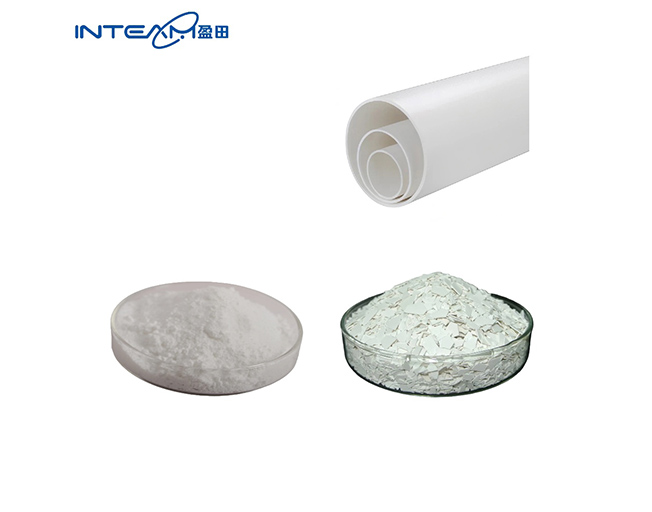
How to Select the Right PVC'nin Stabilizer System for Outdoor Products
There is no universal stabilizer formula suitable for every PVC application. The correct solution depends on:
Product Requirements
Different products require different performance priorities. For example:
- Pipes may focus on long-term structural stability
- Profiles may require appearance retention
- Cable materials may require electrical and weather performance
Processing Conditions
Extrusion temperature, production speed and equipment conditions influence stabilizer selection.
Environmental Requirements
Outdoor exposure conditions, climate differences and service environments must be considered during formulation development.
Inteam'ın focuses on customized PVC stabilizer solutions based on resin characteristics, processing technology and final product requirements. The goal is to help manufacturers achieve stable processing performance and reliable long-term PVC product durability.
Sonuç
Outdoor PVC durability depends on a balanced stabilization system rather than a single additive. A properly designed PVC stabilizer formulation helps protect materials against degradation caused by heat, light and oxygen while supporting stable color performance, mechanical property retention and consistent product quality during long-term outdoor use.
By combining primary stabilizers, calcium-zinc stabilizers, auxiliary additives and antioxidant components, manufacturers can develop PVC formulations that better match different processing conditions and application requirements. The right stabilization approach helps reduce risks such as discoloration, material deterioration and premature product failure.
For PVC manufacturers, selecting a suitable stabilizer system requires careful evaluation of resin characteristics, processing technology, additive compatibility and final product performance requirements. A customized formulation strategy can improve production stability, extend product service life and deliver better overall lifecycle value for outdoor PVC applications.
Take Action: Customized PVC'nin Stabilizer Solutions
Inteam'ın provides customized PVC stabilizer solutions designed around different resin grades, processing conditions and application requirements. With experience in PVC additive formulation development, we support technical evaluation, formulation optimization, sample testing and production guidance.
Share your PVC product type, formulation requirements, processing conditions and target performance. Our technical team can help evaluate suitable stabilization approaches and provide solutions for stable production and long-term product performance.
SSS
What is the role of PVC'nin stabilizers in outdoor applications?
PVC stabilizers help protect PVC materials from degradation caused by heat, light and oxygen. They support color stability, processing performance and long-term product reliability.
Do PVC'nin stabilizers support both processing stability and outdoor durability?
Yes. PVC stabilizers mainly protect PVC during processing and also support resistance against heat, light and oxygen during long-term use.
Can one PVC'nin stabilizer formula work for all outdoor products?
No. Stabilizer selection depends on resin type, processing technology, pigment system, product structure and application environment. The final formulation should be verified through testing.
Why are calcium-zinc stabilizers widely used?
Calcium-zinc stabilizers provide thermal stability, light stability, transparency and environmental advantages, making them suitable for many PVC applications.
| how-pvc-stabilizer-systems-control-color-stability | calcium-zinc-stabilizer-vs-barium-zinc-stabilizer-for-pvc-products