
PVC Degradation and Stabilization Guide
Time : Oct 22, 2026 浏览次数:238
A clear guide to PVC degradation, stabilizer mechanisms and practical checks for processors choosing PVC stabilizer systems.
How Degradation Starts
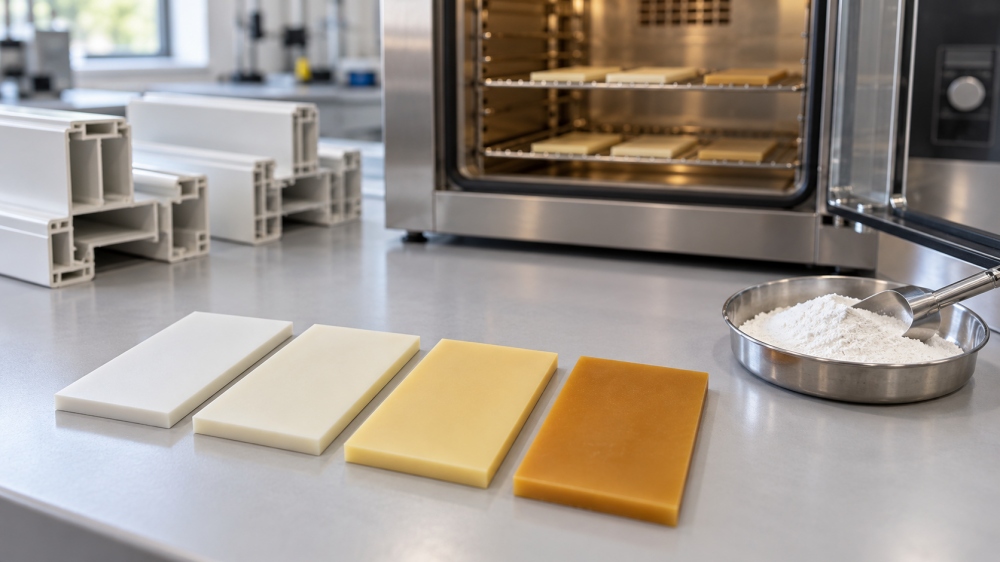
PVC is useful because it can be processed into rigid, flexible, transparent, foamed and filled products. It is also heat-sensitive. During processing, heat and mechanical shear can trigger dehydrochlorination, releasing hydrogen chloride and creating conjugated polyene sequences that alter material color and degrade mechanical performance.
The problem matters because PVC processing temperatures are higher than the temperature at which degradation can begin. Without stabilizer protection, the resin may yellow, darken, release corrosive HCl, lose mechanical strength and become difficult to form into qualified products. A practical stabilizer solution must interrupt that chain reaction before it damages production.
What Stabilizers Do
PVC stabilizers work through several related mechanisms. They neutralize hydrogen chloride, replace unstable chlorine atoms, reduce oxidation, control metal-ion effects and help prevent color-forming structures from extending along the polymer chain. Different stabilizer families emphasize these functions differently.
The buyer should not judge technical service support only by one oven result. Static heat aging is useful, but dynamic processing exposes the compound to shear, residence time, pressure, filler and pigment effects. A stabilizer must protect both the chemical structure and the production window.
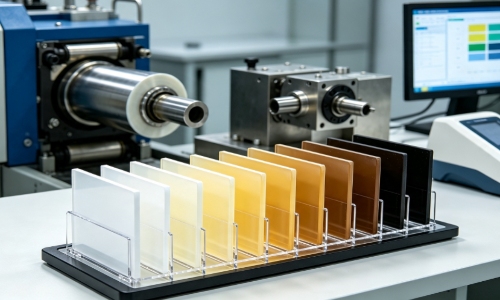
Why Stabilizer Families Behave Differently
Chemistry and Market Fit
Lead salt stabilizers are valued for strong heat stability, electrical insulation and cost performance in markets where lead use is accepted. Calcium-zinc stabilizers are used for lead-free positioning and are often selected for products with stricter environmental or downstream customer requirements. Barium-zinc liquid systems are common in flexible and semi-rigid PVC products such as film, sheet, leather and hose.
Organotin stabilizers are known for high transparency and strong heat resistance in selected applications, while auxiliary PVC stabilizers such as epoxy compounds, phosphites and polyols help improve the overall stabilizing effect when combined with metallic soap stabilizer systems. The correct choice depends on what the final PVC product must do.
The stabilizer family also affects how other additives behave. Lubricants, fillers, plasticizers, pigments and flame retardants can change fusion, plate-out (die buildup) and color stability. A stabilizer that works well in a clean transparent formulation may need adjustment in a heavily filled or dark-colored compound.
Market fit is part of the technical answer. A formulation may process well but still be unsuitable if the finished product enters a restricted market or a customer category that requires lead-free positioning. Process stability and compliance therefore need to be checked together, not one after the other.
Application Changes the Answer
A pipe processor cares about melt flow, torque, dimensional stability and long production runs. A film producer may care more about transparency, haze, roller behavior and surface exudation. A cable compound buyer needs heat aging, electrical insulation, plasticizer compatibility and surface smoothness. A toy or export product may require lead-free documentation and specific restricted-substance control.
That is why our product portfolio should be mapped to product families rather than treated as one broad additive category. Inteam’s range includes calcium-zinc, barium-zinc liquid and composite lead stabilizers so buyers can align the stabilizer solution with the finished product, market and processing conditions.
A useful selection conversation therefore begins with the defect risk the buyer wants to avoid. Yellowing, black specks, poor fusion, roller deposits, brittle products and unstable dimensions may all involve stabilization, but each one points to a different balance of heat control, lubrication and compatibility.
This application view also prevents over-correction. Raising stabilizer dosage may improve color in one case, but it will not solve every defect if the root cause is excessive shear, poor dispersion, trapped moisture or a lubricant mismatch.
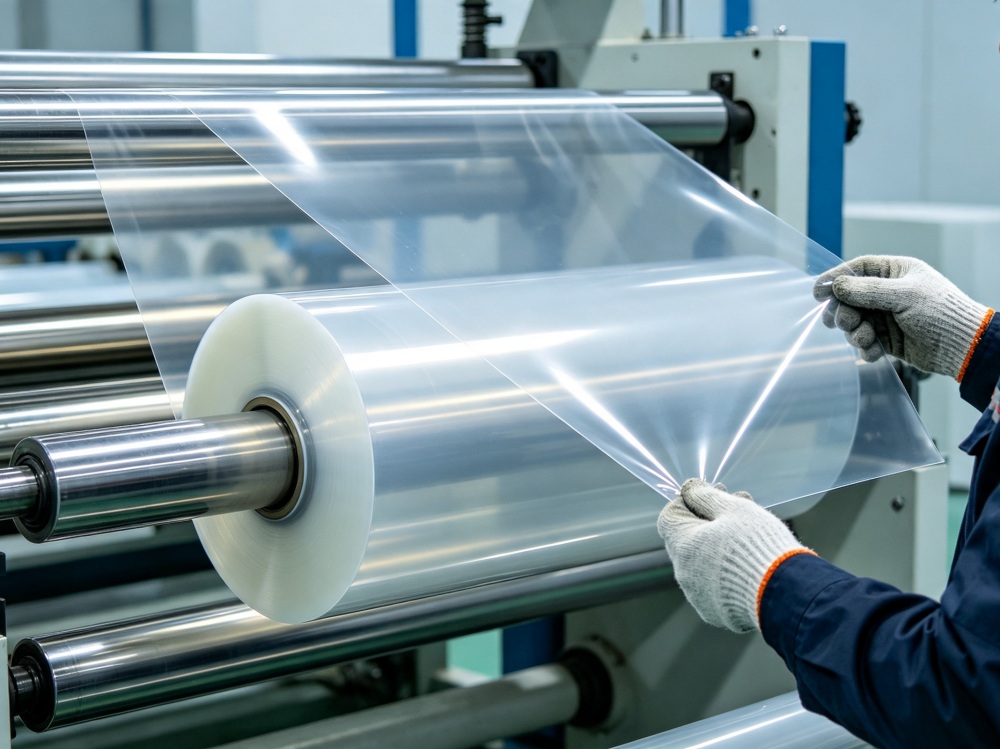
Practical Diagnosis on the Line
Evidence from Real Production
A stabilizer issue can look like a machine issue, and a machine issue can look like a stabilizer issue. Yellowing may come from insufficient early color control, excessive shear, contamination, poor pigment interaction or a long residence time. Rough surface can involve lubrication balance, filler moisture, poor fusion or die deposits.
- A useful diagnosis should collect:
The exact formula change and stabilizer dosage. - Barrel, die and melt temperature records.
- Torque, pressure, amperage and output during the defect window.
- Photos and retained samples from good and defective periods.
- Finished-product test results after normal conditioning.
When the evidence is collected in this way, the supplier can distinguish between a stabilizer grade-selection problem and a narrower process adjustment. That saves time because the answer may be a dosage change, a lubricant balance change, a cleaner purge practice or a different stabilizer family for the product’s market requirement.
Degradation Signals | Possible stabilizer link | Other factors to rule out |
Yellowing | Insufficient early color control | Overheating or contamination |
Black specks | Long residence or poor stability | Dead zones or burnt deposits |
Plate-out | Compatibility or lubrication imbalance | Filler, wax or pigment-related issues |
Brittleness | Thermal damage during processing | Balance of resin, filler and impact-modifier |
Summary
PVC stabilizers slow degradation by controlling HCl, unstable chlorine sites, oxidation and color-forming reactions. The best stabilizer choice depends on application, market access and processing behavior, so a buyer should connect chemistry to line evidence before approving a grade.
If your PVC compound shows yellowing, black spots, plate-out or unstable processing, send the application and line records through Inteam contact us so the stabilizer route can be reviewed with the actual production conditions.
常问问题
Why does PVC turn yellow during processing?
PVC can release hydrogen chloride under heat and shear. That reaction creates color-forming structures, and the color can deepen if degradation continues.
What is the main role of a PVC stabilizer?
Its main role is to slow or prevent PVC degradation during processing and use so the product keeps color, strength and service performance.
Is heat stability the only selection criterion?
No. Processing flow, lubrication, transparency, exudation, weather resistance, compliance and finished-product testing also matter.
Can calcium-zinc stabilizers replace lead-salt stabilizer systems directly?
Sometimes, but not automatically. The formula, processing conditions, product standard and market requirement must be reviewed and tested.
What evidence should buyers share for troubleshooting?
Share formula ranges, stabilizer dosage, line temperatures, pressure or torque data, defect photos, retained samples and required finished-product tests.