

Preventing Yellowing in PVC Lamination Sheets: A Stabilizer Guide
Time : Apr 23, 2026 View : 1,652
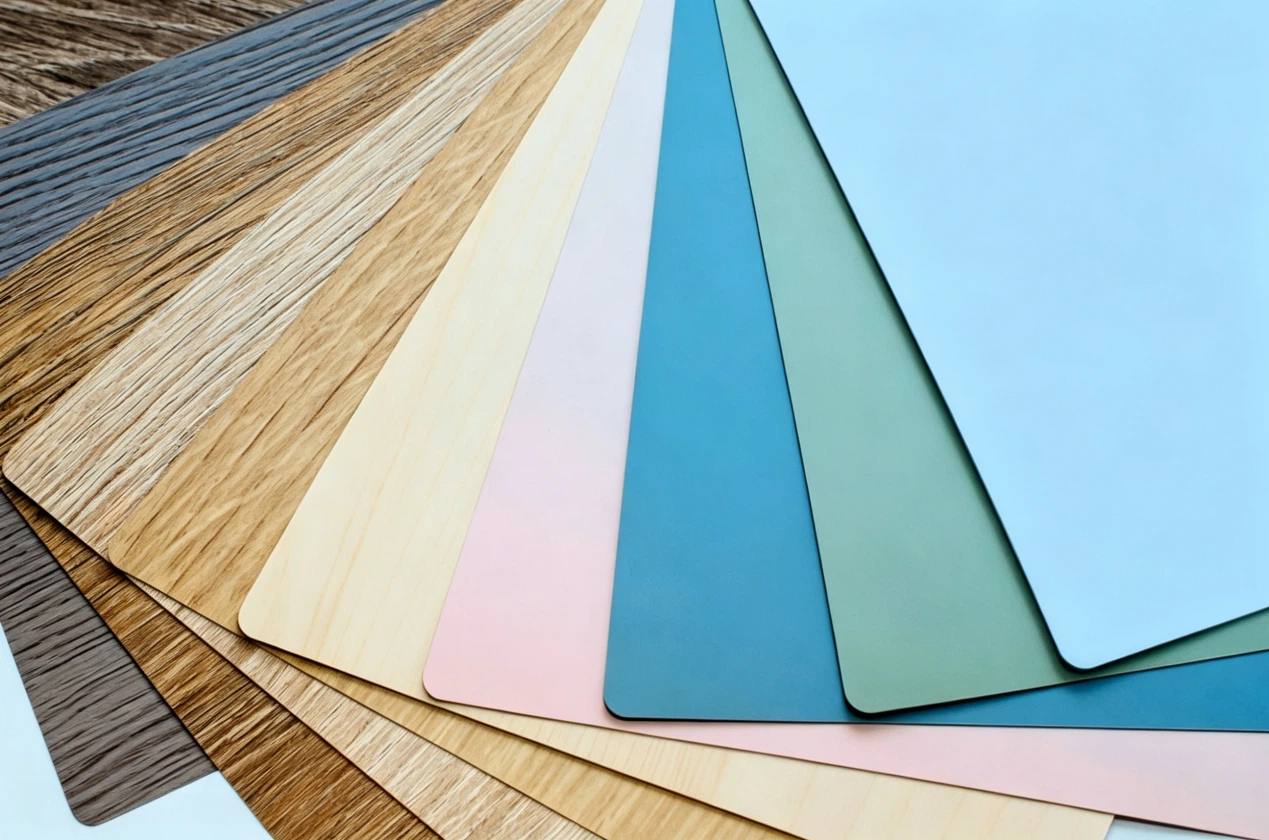 This is a nightmare for any manufacturer: expensive laminated sheets have turned into an unsightly pale yellow. Why does it happen so fast? Heat and light do not simply break the polymer chains rapidly; rather, they trigger a dehydrochlorination process (the loss of hydrogen chloride, HCl). This process creates conjugated polyene sequences in the polymer backbone, which directly leads to color shifting. However, it is crucial to note that dehydrochlorination is not the only path to yellowing; other factors include phenolic antioxidant discoloration, plasticizer oxidation, metal ion catalysis, and residual initiator discoloration. The most direct fix for this is upgrading your chemical formula. Effective PVC yellowing prevention requires picking a specific chemical agent that absorbs acid before the color shifts permanently. At Inteam, we have seen companies cut their scrap rate by over 30% just by switching to a better PVC heat stabilizer. We know that when your current formula fails, you lose money on every meter produced. Let’s break down exactly how you can fix this color issue today and keep your products looking perfect.
What Causes Color Fading in Production and Daily Use?
Before we start throwing different chemicals into the mixer, we have to look at the exact moment the material starts breaking down. Usually, the damage happens either inside the hot extruder barrel under massive pressure or months later when the product sits in the sun. Let’s look at these two specific triggers.
Thermal Degradation During Hot Extrusion
When you force the raw resin through an extruder at standard processing temperatures for rigid lamination sheets (typically 160°C to 185°C, as temperatures nearing 190°C to 200°C would push the material dangerously close to its rapid degradation zone) the chemical links in the plastic face huge strain. If your PVC compound stabilizer is not strong enough or is mixed badly, the heat pulls chlorine atoms away from the carbon chain. This quick reaction builds linked double bonds in the polymer. The color change—from light yellow to brown, and finally black—depends on how long these linked polyene chains grow. Even more important, the HCl that escapes works as a catalyst. It starts an auto-catalytic degradation process that speeds up further damage rapidly. A robust, current PVC heat stabilizer is made to grab that free HCl right away. This stops the harmful chain reaction before it begins. It functions like a sponge for the acid, which keeps the plastic’s inner structure safe as it melts and shapes into a flat sheet.
UV Light Damage During Outdoor Exposure
This is exactly why a dedicated PVC lamination sheet stabilizer needs to have a comprehensive weathering package. This requires specific UV absorbers (such as UV-531 or UV-327) to block harmful rays, low-alkalinity or neutral Hindered Amine Light Stabilizers (HALS) to scavenge free radicals (conventional alkaline HALS form salts with HCl, reducing light stability efficiency, though they do not catalyze dehydrochlorination), and a precise combination of antioxidants (like phosphite 168 and thioesters; while hindered phenols like 1010 can oxidize into quinone chromophores causing yellowing, they are commonly used in synergy with phosphite 168 for transparent PVC rather than being strictly forbidden) to prevent oxidation. Without these specific protective ingredients, the material becomes brittle, loses its flexibility, and takes on a dull yellow tint.
Core Solutions to Stop Discoloration on the Factory Floor
Knowing the chemical failure is interesting, but as a factory manager, you need real ways to keep the plastic clear and bright on the floor. Modern chemical engineering gives us several highly reliable tools to stop the degradation process completely. Here is how you can adjust your recipe to get better, more consistent results.
Upgrading to a Balanced Ca-Zn Stabilizer
Years ago, lead was the cheap and easy answer for everything. Now, strict environmental rules around the world force us to change our habits. A high-quality calcium-zinc stabilizer is a highly effective and common replacement for clear and white products today (though organotin stabilizers remain the mainstream primary choice for rigid transparent PVC due to their superior initial color, long-term heat stability, clarity, and weatherability).
Calcium effectively neutralizes HCl to provide long-term stability, while zinc displaces labile chlorine atoms to offer excellent early color hold. However, there is a catch. During this process, catastrophic degradation, known in the industry as “zinc burning,” essentially occurs. This happens because zinc soap reacts to form zinc chloride (ZnCl2), a strong Lewis acid that rapidly catalyzes PVC dehydrochlorination, leading to sudden blackening. Calcium soap neutralizes this ZnCl2 and regenerates the active zinc component, rather than simply balancing a ratio. Finding the exact right balance in the Ca-Zn stabilizer formula stops this sudden failure. Furthermore, you must select the appropriate model based on your specific application: highly transparent sheets require vastly different Ca-Zn ratios and formulations compared to opaque white profiles or thick foamed boards.
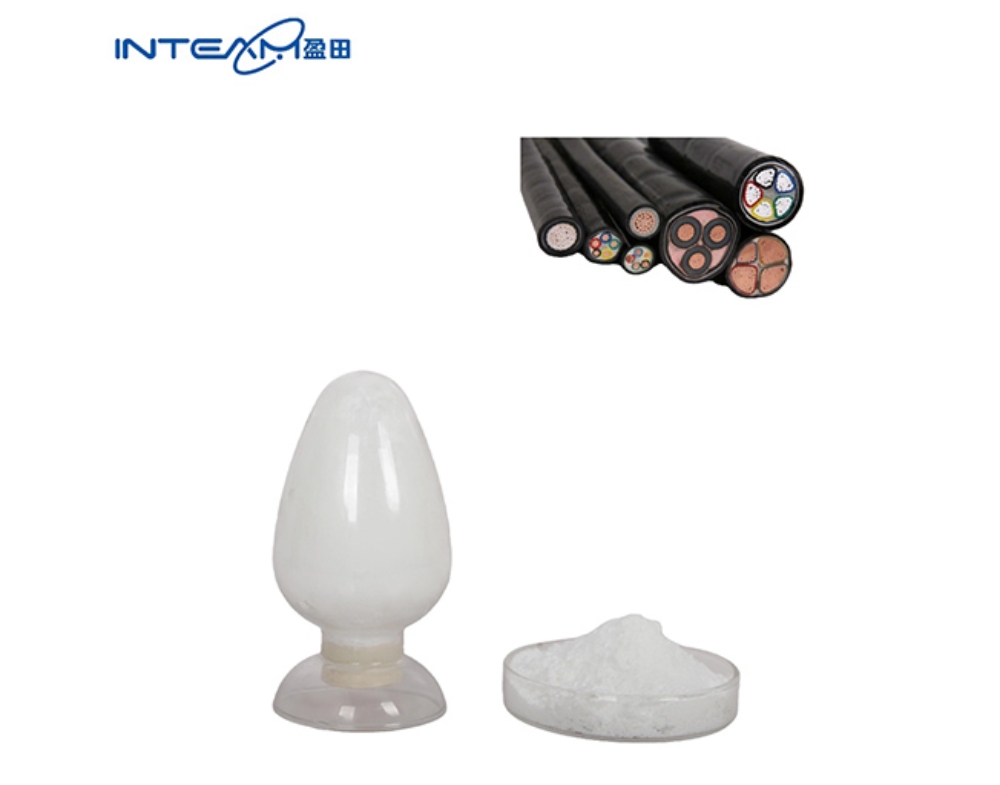
Applying a Liquid PVC Stabilizer for Better Clarity
For sheets that demand high transparency, such as those in upscale packaging or clear tents, using solid powders might leave small white marks, produce haze, or generate dust in the workplace. A liquid PVC stabilizer blends far better and quicker with the liquid plasticizer and the solid resin. Since it starts in a fluid form, it distributes evenly through the warm melt. This thorough, uniform spread creates that lovely, glass-clear look and prevents early yellowing effectively.
That said, it is important to address common industry misconceptions. Many believe that while liquid stabilizers shine in starting transparency and processing ease, their ongoing heat stability and resistance to weather tend to fall short of solid powder composite stabilizers. In reality, liquid calcium-zinc generally has weaker long-term thermal stability and post-rain whitening resistance than powder composites. However, liquid organotin stabilizers are an exception and provide excellent outdoor performance.
Addressing Key Manufacturer Pain Points
Beyond the chemistry, upgrading your stabilizer must make business sense. Here are the core factors we address when formulating a new package:
- Environmental & Regulatory Compliance: Current blends must meet strict rules like REACH, RoHS, and food-contact standards. Making sure your stabilizer has no toxic heavy metals or banned substances is essential. For example, REACH and RoHS compliance extends beyond heavy metals to strictly limit specific plasticizers and halides. Additionally, food-contact PVC applications demand strict control over heavy metal residues and volatile substances within the calcium-zinc stabilizers themselves.
- Cost Optimization vs. Performance: Many worry that moving to high-end stabilizers will raise production expenses sharply. However, efficient stabilizers can often use smaller amounts. Moreover, the big drop in waste and returns from customers usually leads to overall savings.
- Minimizing Process Replacement Risk: Altering your mix should not require rebuilding your whole production setup. A smartly designed stabilizer as a direct swap should keep your existing extruder temperatures, screw speeds, and processing settings. This avoids extra stoppages.
- Application-Specific Tailoring: There is no universal solution. Soft flexible films require different lubrication balances compared to rigid PVC, foamed boards, or transparent sheets. Your stabilizer package must be explicitly customized to your product type.
Professional Lab Tests to Catch Color Shifts Before Full Production
Do not wait for the customer to return a bad batch of goods. You have to test the material limits in your own lab first. Setting up strict, industry-standard testing rules saves thousands of dollars in wasted raw materials. Here are the exact tests you should be doing.
The Static Oven & Colorimeter Test
Cut a few small, even pieces of your finished sheet. Put them in a lab oven set strictly to 180°C. Instead of just relying on visual checks, you must measure the precise static thermal stability time. Use a Colorimeter to record the ΔE (color difference) value at specific intervals to obtain objective, quantifiable data on color shifts.
The Congo Red Test
This is the fundamental industry standard for measuring thermal stability. It measures the time it takes for a PVC sample to release HCl gas at a specific temperature (usually 200°C). This serves as an indicator of thermal stability duration, as it does not directly reflect absolute acid-scavenging efficiency.
QUV Accelerated Weathering Test
For outdoor products, relying on natural exposure takes too long. Utilizing a QUV weathering tester simulates years of UV radiation, rain, and dew exposure in a fraction of the time, allowing you to accurately validate your HALS and UV absorber package before mass production.
The Dynamic Milling Test
Put your raw resin and additive mix on a hot two-roll mill at 160°C to 185°C (matching actual rigid processing temperatures). Keep it rolling continuously and watch carefully how long it takes to stick to the hot metal rollers or change its base color. This test mimics the actual friction and shear force happening inside your big extruder.
Conclusion
Dealing with high waste rates because a big run of lamination sheets went yellow is extremely annoying. It cuts straight into your earned profits and hurts your standing with clients. Many plants attempt to solve this by adding extra amounts of a low-cost, basic additive to the mixer. But using more of the wrong cheap chemicals for a heat issue often makes the plastic tacky, foggy, or prone to leaking onto the equipment. You require a more accurate chemical setup, not just a larger quantity of the incorrect item.
At Inteam, we do not just sell bags of powders and drums of liquids; we help you adjust the whole recipe to stop these failures. If you are tired of dealing with unpredictable color shifts and want a formula that stays crystal clear from the extruder all the way to the end user, let our technical team look at your current mix. You can contact us to learn about our customization services and let us help you create a formula that is truly suitable for your specific machine and product.
FAQs
Q: What is the primary mechanism of PVC yellowing?
A: PVC yellowing is primarily caused by dehydrochlorination (loss of HCl), which leads to the formation of colored conjugated polyene sequences and triggers an auto-catalytic degradation cycle. However, other significant contributors include phenolic antioxidant discoloration, plasticizer oxidation, and metal ion catalysis.
Q: Are liquid stabilizers better than powder stabilizers?
A: It depends on the application. Liquid stabilizers offer superior initial clarity and dispersion for transparent products. While liquid calcium-zinc generally has weaker long-term weatherability than powders, liquid organotin stabilizers remain an exception for excellent outdoor performance.
Q: Why does my PVC compound stabilizer fail outdoors?
A: It likely lacks a complete weathering package. Outdoor products need specific UV absorbers (like UV-531), low-alkalinity/neutral HALS, and antioxidants (such as synergistic combinations of phosphites and hindered phenols to prevent oxidation and preserve clarity) to fight long-term sunlight damage.