

PVC Stabilizer Market: Eco-Friendly Trends & Future Opportunities
Time : Apr 16, 2026 View : 1,490
Have you ever thought about why the transparent plastic cover on your latest device stays clear even after baking in a warm shipping vehicle? Or why do the plumbing lines buried in your home’s structure last for years of constant flow without splitting or dripping? The answer lies in some clever chemical work. Factories heat basic plastic materials to form them, often reaching levels from 160°C to 220°C. Under such intense warmth, the base substance tends to degrade, give off foul odors, and shift to a dark shade entirely.
To avoid this issue, plants depend on certain chemical aids to maintain stability. At present, the worldwide PVC stabilizer market faces a major change. Customers globally seek more secure, earth-kind items for their living and work spaces. This broad change opens up promising chances for firms ready to adjust to green PVC-making processes. Let us explore the shifts occurring in the background. We can also see how current production grows safer for all participants.
Why Thermal Stability is Non-Negotiable in Plastic Production
Before we look closely at the newest PVC industry trends, we need to see what actually happens when plastic gets hot on the factory floor. Manufacturers heat raw materials to around 160°C to 220°C to shape them into pipes or films. Without a reliable PVC heat stabilizer, the material quickly turns brown, becomes brittle, and releases harmful gases.
The Chemistry of Heat Damage
The key issue with polyvinyl chloride rests in its high sensitivity to heat. Pure, rigid PVC shows a glass transition point around 80°C to 85°C, whereas plasticized (flexible) PVC can have a transition point well below room temperature. Yet, to soften it for shaping into a frame or pipe, equipment must apply heat well beyond 160°C. At those elevated levels, the plastic’s chain structure begins to react poorly. When heated, PVC initiates thermal degradation by releasing hydrogen chloride (HCl), which leads to the formation of conjugated double bonds. This released HCl then acts as a powerful catalyst that directly triggers and accelerates further decomposition. It leads nearby links to break down swiftly, in a process experts term a “zipper effect.” As a result, the plastic alters hue fast, moving from light yellow to orange, then brown, and ultimately black.
How Additives Stop the Destruction
To halt this fast decay, operations blend a PVC stabilizer with the base powder prior to warming it. These aids function via several approaches to provide thermal stabilization to the plastic. Crucially, they first target and replace the unstable chlorine atoms along the polymer chain, swapping them out for firmer, steadier connections. Next, they act as absorbers to capture and neutralize the released hydrogen chloride gas, effectively blocking the zipper-like degradation chain. They swap them out for firmer, steadier connections. Through these steps, they block the breakdown early on. Consequently, the end item remains robust, bendable, and correctly tinted.
The Big Shift Towards Safer Alternatives
For quite some time, businesses leaned on inexpensive heavy metals like lead for the task. But progressively stricter environmental regulations in many regions and strong buyer interest in green PVC have altered the landscape fully. While some developing nations still permit lead salts in non-food or non-contact applications, the broader PVC stabilizer market abandons outdated approaches. It advances to safer, more sustainable chemical choices.
The Rise of Calcium Zinc Solutions
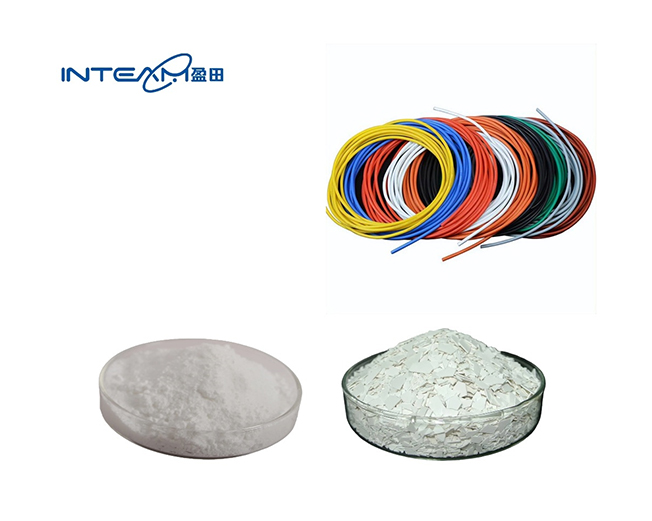
When purchasing storage boxes for meals, plumbing for drinking, or lines for health care, people anticipate full safety for touch. Here, a calcium zinc stabilizer stands out clearly. It swaps out harmful heavy metals effectively in many standard applications. At the same time, it delivers solid thermal stability and fine tintability. Since it is lead-free and non-toxic, it serves as the go-to pick for goods contacting edibles or liquids. It operates via a smart paired action. The zinc soap neutralizes the HCl and replaces unstable chlorine atoms on the polymer chain. Then, the calcium soap acts as a regenerating agent for the zinc soap, which is crucial for preventing a sudden, catastrophic degradation known as “zinc burning”. However, it is important to note that for certain high-demand applications—such as high-voltage cables requiring extreme heat resistance and electrical insulation—calcium zinc stabilizers still face technical limitations and cannot yet fully replace traditional lead salts.
Expanding Use of Liquid Options
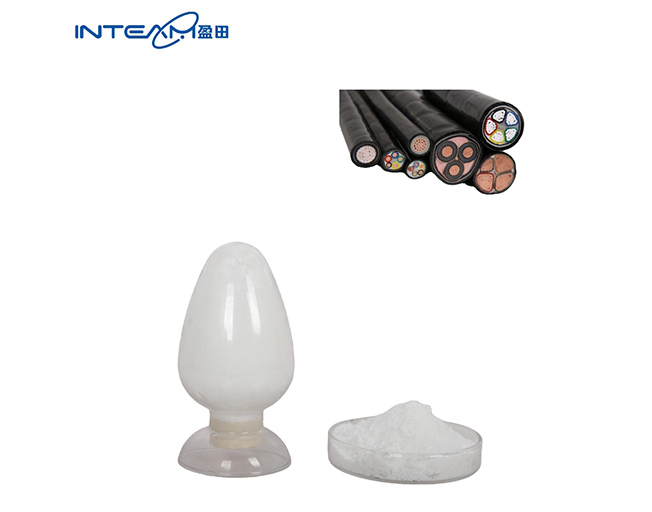
Sometimes, working with dry chemical powders causes big problems in a busy factory. Fine dust gets into the air, making the workspace messy and uncomfortable for the workers. A liquid PVC stabilizer solves this annoying issue by being incredibly easy to measure and mix without creating any dust. Because it is a liquid, it blends into the plastic resin at a deep molecular level. This means light passes straight through the material without bending much, resulting in highly transparent products like clear packaging films or soft artificial leather. However, it is crucial to recognize their limitations; liquid stabilizers generally offer lower thermal resistance compared to powder forms, are more prone to exudation (leaching), and typically have poorer weatherability. Additionally, these liquid formulas often act as their own lubricant, helping the melted plastic flow smoothly through the heavy machines.
Analyzing Current and Upcoming PVC Industry Trends
The methods plants use to create common plastic goods evolve more quickly than in the past. As current PVC industry trends develop across the globe, one aspect emerges plainly: the strong emphasis on well-being and lasting ways of life. Firms actively seek a dependable lead-free stabilizer to fulfill fresh rules and satisfy careful purchasers.
The Demand for Lead-Free Production
Many regional authorities enact tough measures to prohibit harmful heavy metals in everyday items. For a company aiming to distribute goods overseas to strictly regulated markets, using a lead-free stabilizer goes beyond a good suggestion. It becomes a firm legal must. Old lead compounds gained favor due to low cost and strong electrical shielding for items like wires. However, the wellness threats prove too great. Recent science has advanced, and plants now match the same enduring thermal stability and outdoor-shielding with secure, lead-free options. However, it is vital to clarify that “lead-free” is not synonymous with “non-toxic.” For instance, while organotin stabilizers are completely free of lead, they inherently possess toxicity. Therefore, substituting lead cannot automatically be equated with achieving eco-friendly or non-toxic PVC production. This move cleans the surroundings and renders the full chain of supply far safer.
All-In-One Multifunctional Additives
Instead of buying five different chemicals for lubrication, heat protection, impact strength, and color retention, factory managers now want all-in-one solutions. Mixing too many different powders together takes time and increases the chance of human error on the production line. Chemical engineers are now creating composite packages that handle everything at once. By combining an acrylic processing aid with the right thermal stabilizers and waxes, these new packages help the plastic melt faster at lower temperatures. This cuts down on mixing errors, speeds up production times, and helps factories improve their overall energy efficiency.
Choosing the Right Partner for Your Manufacturing
Finding the perfect chemical mix for your production line takes time, patience, and lots of real-world testing. Whether you make thick rigid water pipes or highly flexible medical tubing, you need a partner who knows exactly how to balance heat resistance with safety. Getting the right advice early makes a massive difference.
Understand your specific needs: Every factory setup is slightly different. What works perfectly for a thin, clear plastic wrap might fail completely if you try to use it for a thick, heavy construction pipe. You have to match the chemistry to the final product.
Balance internal and external lubrication: You need a mix that helps the plastic molecules slide past each other easily, while also preventing the hot melted material from sticking to your expensive metal molds.
Ask the experts: Working with experienced professionals helps you figure out the exact dosage you need, preventing wasted materials and saving you serious money over the long run. If you are looking to upgrade your production line and explore better solutions, please contact us. Inteam can provide customized advice, product testing support, and tailored export solutions for your next major project.
FAQs
Q: What is driving the growth of the PVC stabilizer market?
A: The global push for a lead-free stabilizer and sustainable, eco-friendly PVC solutions drives this expanding market forward today.
Q: Why do factories choose a calcium zinc stabilizer?
A: A calcium zinc stabilizer is lead-free and non-toxic, provides excellent thermal stability, and perfectly supports eco-friendly PVC production lines.
Q: When should a manufacturer use a liquid PVC stabilizer?
A: Use a liquid PVC stabilizer for highly transparent products like films, because it mixes easily without creating any dust.