

What is PVC Stabilizer for Cable and How Does It Work?
Time : Jun 04, 2026 View : 1,145
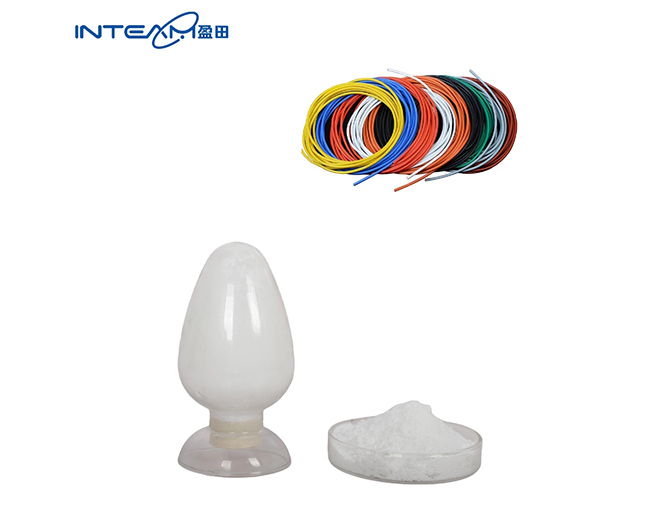
If you have ever noticed power cords turning yellow, cracking or stiffening after months of use, you have observed the thermal degradation of unstabilized PVC. For cable manufacturers, this is more than an appearance issue. It can lead to product failure, safety risks, and rejected shipments.
Polyvinyl chloride (PVC) is another widely used polymer for cable insulation. The pure form of PVC faces various challenges and one of them is its inability to withstand heat. This is because in the extrusion process, the temperatures are always above 180°C while the initial degradation temperature of PVC is about 120-130°C.
This is where the PVC cable stabilizer and other heat stabilizers become essential. In this article, we will see how such additives function, why calcium zinc dominates the revolution against lead, and how you can select a suitable stabilizer for making your cables.
What Exactly is a PVC Heat Stabilizer and What Does It Do?
A PVC heat stabilizer is a type of chemical compound that is incorporated into the PVC powder before any further processing. The primary purpose of the chemical compound is to prevent the polymer chains from decomposing.
PVC can be thought of as a chain of molecules, where some molecular links are weaker. These weak bonds are such that under heat, they break down to form hydrogen chloride (HCl). This causes a “zipper reaction” whereby every molecule that releases HCl makes it easier for another molecule to release HCl.
A stabilizer interrupts that cycle in three main ways:
- Absorbing HCl as soon as it forms, stopping further catalytic breakdown.
- Displacing unstable chlorine atoms with more stable chemical groups.
- Reacting with double bonds that form after HClremoval, preventing color build-up.
Different stabilizers do these jobs with varying effectiveness. For years, lead salts were the default choice because they are cheap and efficient HCl scavengers. But today, environmental regulations and health concerns have pushed the industry to adopt lead-free stabilizer options—especially for wires and cables that go into homes, schools, and medical devices.
Why Calcium Zinc Stabilizer is Changing the Cable Industry
One of the most reliable non-toxic alternatives today is the calcium zinc stabilizer effect, which uses a binary metal composite system to achieve both initial color retention and long-term stability.
How the Calcium Zinc System Works
The mechanism is often explained by the Frye-Horst model. Here’s the short version:
- The zinc soap quickly reacts with unstable chlorine atoms on the PVC chain. This gives excellent initial color—your extruded cable comes out white or light-colored, not yellow.
- As the reaction continues, zinc chloride (ZnCl₂) forms. If left alone, ZnCl₂ would actually speed up degradation. But the calcium soap steps in to regenerate the zinc soap and push the harmful chloride onto calcium instead.
- Auxiliary stabilizers like polyols or β-diketones further delay the formation of problematic zinc chloride.
That synergy is why a calcium zinc stabilizer for wire and cable can deliver both good early color and decent long-term heat stability—without lead or cadmium.
Real Performance Numbers
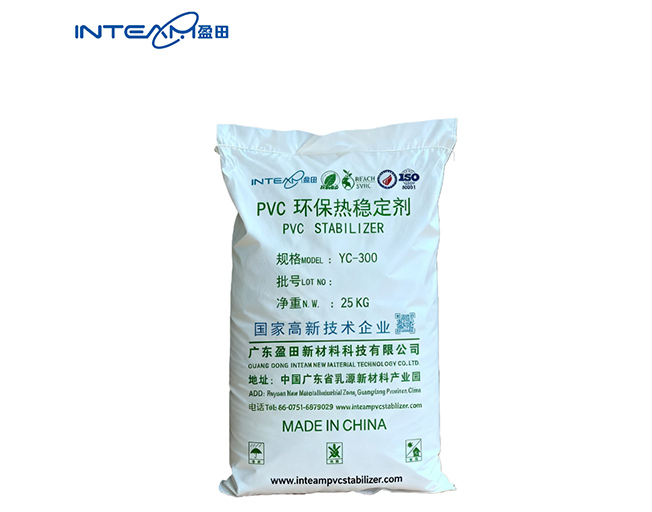
Take Inteam’s YC-300 stabilizer. It is formulated with high-grade calcium and zinc fatty acids, plus primary and secondary antioxidants. In standard cable formulations, adding 3 to 5 Parts Per Hundred of Resin (phr) is enough to:
- Maintain color consistency even after prolonged equipment shutdowns.
- Resist high shear during extrusion.
- Prevent sticking particles during air cutting.
For a cable plant running at full speed, fewer stops and a lower material scrap rate directly improve the bottom line.
Lead Free Stabilizer vs. Traditional Lead Salts: What You Gain
Switching to a lead-free stabilizer isn’t just about compliance. It brings several operational and commercial advantages.
Health and Safety on the Shop Floor
Lead salts are toxic. Dust from lead stabilizers can accumulate on surfaces, and operators risk exposure through inhalation or accidental contact. A lead-free system removes that hazard. You don’t need special handling procedures or costly air filtration systems.
Better Electrical Properties? Sometimes, Yes
Many lead-free stabilizers, especially calcium-zinc types, maintain excellent electrical insulation. In fact, YC-300 is designed specifically for national standard JR70 wires, UL60–UL80/VDE70 rated cables, and IEC 60227 series products. That covers most of what a general cable manufacturer needs.
Avoiding the “Zinc Burning” Trap
Old-generation calcium-zinc stabilizer PVC products had a reputation for sudden blackening called “zinc burning.” That happened when zinc chloride built up too fast. Modern formulations like YC-300 adopt high-performance heat-resistant additives and compound antioxidants to effectively suppress the zinc burning phenomenon. The result is a stabilizer that works reliably for wire extrusion without surprises.
Stability Testing for Industry Standards: Congo Red TEST
For evaluating Inteam’s stabilizers, such as YC-300, a Congo Red stability test is widely used. The method works based on the ability of Congo Red dye to change its color upon contact with acidic gases formed when heating PVC. As the material reaches the point of instability and undergoes dehydrochlorination, the paper impregnated with Congo Red changes its color from red to blue, which indicates that degradation took place.
Procedure:
A small portion of Inteam-stabilized PVC is exposed to controlled heating in the oven/thermostatted flask. Congo Red paper is placed nearby and exposed to the same conditions, along with PVC. After heating to a specific temperature, usually in the range of 180-200° C, with controlled airflow, the time taken before the color change of the paper is noted. It represents the “stability time” of the sample, with a more prolonged time indicating better heat resistance.
What Are the Key Benefits of PVC Heat Stabilizers in Cable Manufacturing?
For cable makers, a good PVC heat stabilizer does more than prevent decomposition. It directly affects process efficiency and product quality.
1. Consistent Color from Start to Finish
When you run a 12-hour extrusion shift, the worst outcome is a color mismatch between the first meter and the last meter. High-quality stabilizers maintain what technicians call “initial stability.” Even if the machine stops for 30 minutes due to a minor issue, the material inside the barrel won’t turn dark. You restart without purging or cleaning.
2. Higher Output with Less Waste
A stabilizer that resists high shear allows you to run your extruder at full speed. YC-300, for example, is reported to support full-speed operation without sticking particles during air cutting. Less material discharge and melt buildup mean lower scrap rates.
3. Compatibility with Other Additives
Cable formulas often include plasticizers, fillers like calcium carbonate, epoxy soybean oil, stearic acid, and PE wax. A stabilizer must work with all of them. The YC-300 universal formula shows exactly that: 100 parts SG-65 resin, 3–5 parts YC-300, 30–60 parts CaCO₃, plus plasticizer and lubricants. The system remains stable and well-lubricated.
4. Improved Weather Resistance for Outdoor Cables
Some of the cables lie on rooftops or even go beneath the ground. Unstabilized PVC is vulnerable to degradation due to ultraviolet rays and moisture. An improved formula of PVC heat stabilizer consists of antioxidants that delay oxidation.
How to Select the Right PVC Stabilizer for Your Cable Manufacturing
Choosing the right PVC stabilizer for cable depends on your specific production setup and target markets.
What to Look At First
- Your extrusion temperature.Higher temperatures need more robust stabilizer systems.
- Color requirements.White or light-colored cables demand excellent early-stage color hold. Calcium-zinc is a strong candidate here.
- Mechanical and electrical specs.Check if your target market requires UL, VDE, or IEC certification. Then match the stabilizer accordingly.
- Lubrication balance.Too much external lubricant (like PE wax) can reduce transparency and cause blooming. Too little, and the melt sticks to the screw.
Dosage That Works
Most calcium-zinc stabilizers work in the 3–5 phr range. Start at 3 phr for soft cables with high plasticizer content. Go up to 5 phr for rigid or highly filled formulations. Always run a small batch test before full production.
Where to Source High-Quality Calcium Zinc Stabilizer Exporter for Global Cable Markets
Finding a reliable calcium zinc stabilizer exporter is about more than price. You need consistency, documentation, and technical support.
What Certifications Matter?
For export to Europe or North America, look for RoHS, REACH, and PAHS compliance. YC-300 meets all three, plus NO-16P. That means it can legally go into cables sold in regulated markets.
Why Supplier Knowledge Matters
A good supplier doesn’t just ship bags of powder. They will assist you in regulating the lubrication system according to any changes in plasticizers or fillers. If your composition uses chlorinated paraffins, for instance, they may recommend that you decrease the amounts of stearic acid and PE wax to avoid precipitation.
Inteam provides exactly that kind of support. Their technical team works with cable manufacturers to fine-tune formulations for specific extrusion lines and product standards.
Application Breadth
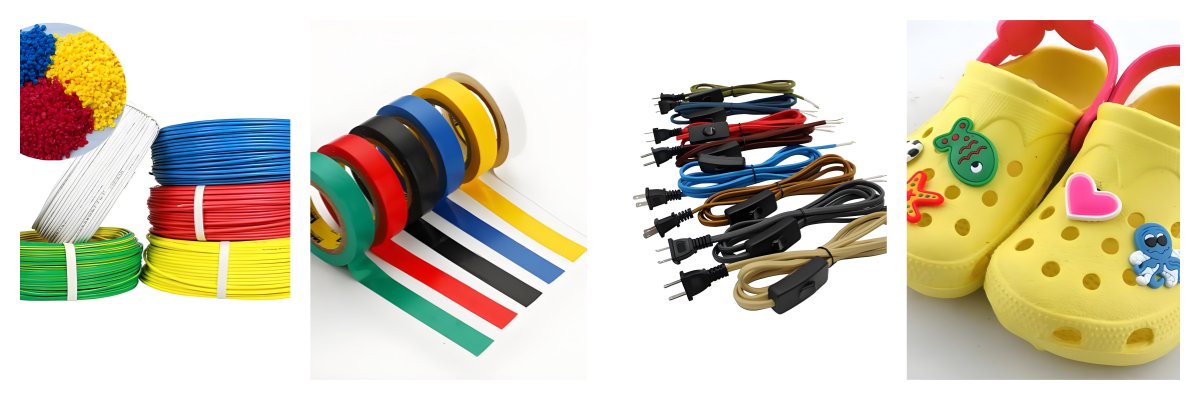
A versatile calcium zinc stabilizer for wire and cable should work across different processes: extrusion (mesh cloth, or acting as a PVC hose stabilizer), calendering (sheets, films), and injection molding (plugs, shoe materials). YC-300 covers all of them.
Conclusion
PVC remains the backbone of the wire and cable industry. But without a modern stabilizer, heat will destroy both the material and your production efficiency. Switching to a lead-free stabilizer like Inteam’s YC-300 gives you environmental compliance, stable color, and reliable extrusion performance.
Whether you run a small wire plant or supply millions of meters of cable annually, the right PVC stabilizer for cable makes a measurable difference. And when you work with a trusted calcium zinc stabilizer exporter, you get more than an additive—you get a partner who helps your business grow.
FAQ
1. Can Inteam’s calcium zinc stabilizer replace lead stabilizers in all cable types?
Yes, for most standard cables. Inteam’s YC-300 works well for JR70, UL/VDE, and IEC cables. For ultra-high temperature or specialty applications, always test first.
2. What is the recommended dosage for a PVC stabilizer for cable?
Use 3 to 5 phr per 100 parts of PVC resin. Start lower for soft cables. Test before full production.
3. Does a lead-free stabilizer affect the electrical insulation of wire and cable?
No. Good lead-free stabilizers maintain or even improve electrical insulation. YC-300 is proven in power cables and electronic wires.