

Why Are Eco-Friendly PVC Stabilizers Replacing Lead-Based Stabilizers?
Time : May 28, 2026 View : 1,157
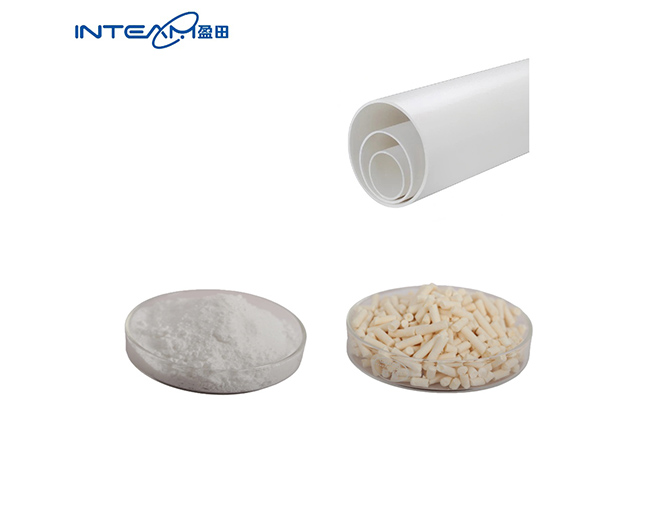
The global PVC industry is undergoing a profound transformation. PVC manufacturers are gradually phasing out toxic lead-based stabilizers and switching to non-toxic, eco-friendly alternatives. Tightening environmental regulations, rising awareness of sustainable production, and stricter hygiene requirements for end products are the core drivers of this transition.The plastic additive market is increasingly prioritizing non-toxic, high-performance, and cost-effective stabilizer solutions, with PVC calcium-zinc stabilizers emerging as the mainstream choice for modern PVC compounding and processing.
As a professional calcium-zinc stabilizer manufacturer, we have verified that eco-friendly stabilizer formulations can effectively boost PVC processing efficiency, enhance structural integrity and long-term durability of finished products, and fully meet global environmental compliance standards. Downstream industries including wire and cable, medical packaging, food-contact materials, building profiles and potable water pipes are accelerating the adoption of eco-friendly PVC stabilizer systems.
Why Are Lead-Based Stabilizers Losing Market Dominance?
Traditional lead-based stabilizers once dominated the market due to their low cost, excellent thermal stability and good electrical insulation properties. Nevertheless, their inherent drawbacks can no longer be ignored under current industrial and regulatory requirements.
Lead-based stabilizers bring multiple hidden hazards during PVC processing and end-use application:
- They introduce toxic heavy metal contamination throughout the production and recycling ch
- Under high processing temperature, they generate acidic fumes / HCl fumes, causing fume accumulation, equipment corrosion and health risks to operators.
- They complicate waste disposal and material recycling, raising overall environmental compliance costs.
- They are prohibited for high-hygiene scenarios such as food packaging, medical devices and drinking water pipe applications.
PVC is an inherently heat-sensitive polymer. Without proper thermal stabilization, it suffers severe thermal degradation, discoloration and scorching at typical processing temperatures of 160–220°C. Degradation releases hydrogen chloride, which triggers autocatalytic degradation (zipper reaction), accelerates molecular chain breakage, and drastically deteriorates mechanical performance.
Driven by these safety and environmental risks, countries worldwide have enforced strict regulatory limits on lead content in PVC products. This global regulatory trend is reshaping the plastic stabilizer market and greatly accelerating the penetration rate of eco-friendly PVC stabilizer solutions.
What Makes Calcium-Zinc Stabilizers the Preferred Eco-Friendly Alternative?
Calcium-zinc stabilizers are widely recognized as the optimal substitute for lead-based stabilizers, balancing environmental safety, comprehensive thermal performance and processing adaptability.
High-grade eco-friendly calcium-zinc PVC stabilizers feature the following professional advantages:
- Heavy-metal-free formulation, compliant with RoHS, REACH and food-contact hygiene standards
- Outstanding initial color stability and long-term thermal stability
- Stable performance under high-temperature processing
- low VOC emissions
- Excellent weather resistance and aging resistance
- Effectively suppress die buildup and plate-out
- Reduce torque surge, mechanical seizure and equipment blockageduring extrusion and injection molding
Unlike lead-based products, calcium-zinc stabilizers are safe for widespread high-value applications: food packaging films, medical tubing & packaging, potable water pipes, toys, automotive interiors, wire and cable insulation, rigid profiles and plastic sheets.
Modern calcium-zinc stabilizers adopt synergistic compound formulation, composed of calcium salts, zinc soaps, auxiliary stabilizers (phosphites, epoxy compounds, polyols, β-diketone), antioxidants and internal & external lubricants. The formula design achieves balanced thermal stability, plasticizing rate and lubrication compatibility with PVC resin and processing aids.
Stabilization Mechanism of Calcium-Zinc Stabilizer Formulations
The comprehensive performance of calcium-zinc stabilizers relies on synergistic interactions among multiple functional components, with core stabilization mechanisms as follows:
- Absorb and neutralize hydrogen chloride generated during PVC thermal degradation, terminating the autocatalytic degradation cycle.
- Replace unstable allyl chloride and labile chlorine atoms on PVC molecular chains to cut off degradation initiation sites.
- Inhibit thermal oxidative degradation and passivate catalytic metal ions introduced from processing equipment.
- Disrupt conjugated polyene sequences to restrain color deepening from yellowing to blackening.
- Optimize thermal stability of the lubricant system, smooth melt flow and avoid abnormal torque fluctuation.
The synergistic effect between calcium and zinc components is critical. Zinc soap preferentially reacts with unstable active sites on PVC chains; calcium compounds continuously absorb HCl and realize regeneration of active zinc stabilizer components, delaying zinc burning and significantly improving long-term thermal stability.
Comparison of Common PVC Stabilizer Systems
Stabilizer Type | Environmental Safety | Thermal Stability | Transparency | Typical Applications |
Lead-Based Stabilizer | Low | Good | Poor | PVC pipes, rigid sheets, general granulation |
Organotin Stabilizer | High | Excellent | Excellent | Medical PVC, high-end transparent packaging, potable water pipes |
Calcium-Zinc Stabilizer | High | Excellent | Good | Pipes, cables, food packaging, profiles, toys, medical products |
Barium-Zinc / Ba-Cd-Zn Stabilizer | Moderate ~ Low | Good | Good | Semi-rigid & flexible PVC, film, artificial leather, hoses |
Thanks to balanced performance, environmental friendliness and favorable cost-performance ratio, calcium-zinc stabilizers keep expanding their market share in the global plastic additive industry.
Manufacturing Process of Calcium-Zinc Stabilizers
The production process directly determines product consistency, lubrication balance and PVC processing performance. Formal manufacturers follow standardized procedures:
Raw Material Selection
Select high-purity calcium salts, zinc soaps, antioxidants, co-stabilizers and lubricants to ensure batch-to-batch stability and good compatibility with PVC processing aids.
High-Speed Mixing and Dispersion
Achieve uniform microscopic dispersion to prevent precipitation, blooming and ensure compatibility with internal & external lubricant systems.
Thermal Reaction and Compounding
Complete controlled-temperature compounding and synergistic reaction to optimize initial color retention, long-term thermal stability and weather resistance.
Cooling and Granulation
Produce customized physical forms including powder, flake and granule for easy transportation, storage and automatic feeding.
Professional Quality Inspection
Test key indicators: initial stability, long-term stability, residual thermal stability, torque performance, resistance to die buildup & plate-out, weather resistance and color retention.
With refined formula and process control, qualified Ca/Zn stabilizers effectively reduce mechanical seizure and die buildup during extrusion, improve production efficiency and lower equipment maintenance costs for PVC processors.
Why Do More Industries Adopt Commercial Calcium-Zinc Stabilizers?
Market demand for eco-friendly calcium-zinc stabilizers stems from the industry’s pursuit of sustainable additives, strict environmental compliance, extended service life of finished goods, stable melt processing, low volatile emissions and superior surface appearance.
Major application sectors and core values are listed below:
Industry | Typical Application | Key Benefits |
Pipe Industry | PVC pipes & fittings | Guaranteed pipe structure integrity and long-term thermal stability |
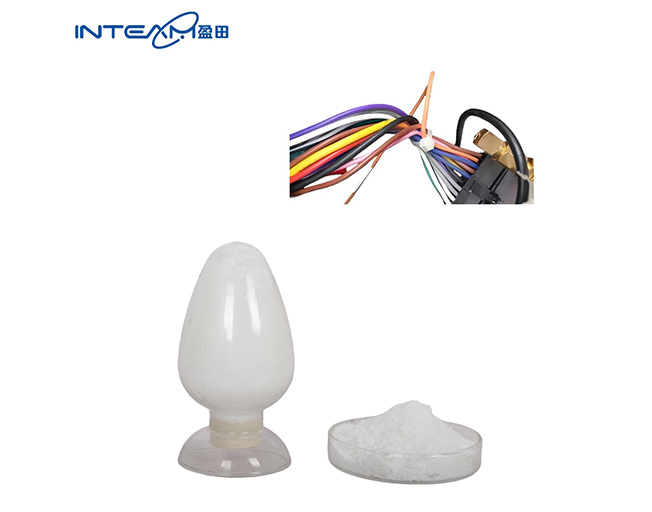
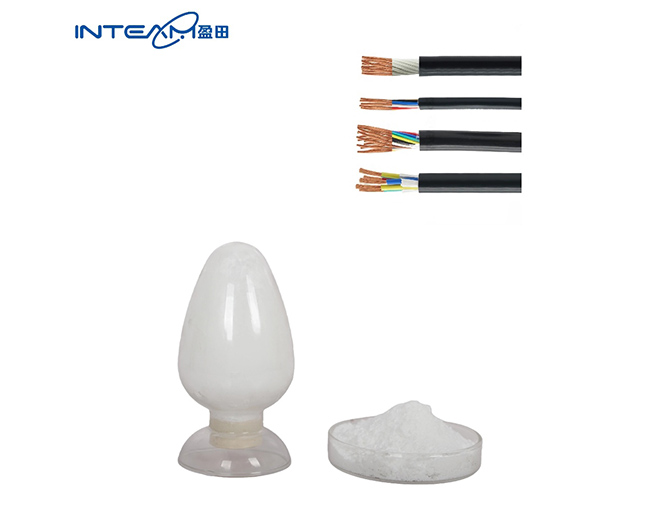
Wire & Cable | Insulation and sheath materials | Reduce acidic fumes, excellent electrical insulation and aging resistance |
Medical Industry | Medical tubing & sterile packaging | Non-toxic formula, hygiene compliance and stable color retention |
Food Packaging | Transparent PVC films & containers | Safe food-contact grade, low VOCs and non-precipitation |
Construction | Profiles, rigid sheets | Outstanding weather resistance and anti-aging performance |
As a long-term supplier in this sector, we notice growing demand for custom compound stabilizer formulations tailored to different extrusion equipment, processing technologies and regional climate conditions.
How to Choose a Reliable Calcium-Zinc Stabilizer Manufacturer
Selecting a qualified supplier is essential for stable PVC production and qualified end products. Professional buyers shall evaluate suppliers by the following criteria:
- Stable batch quality and consistent technical indicators
- Strong technical support and formula optimization capability
- Complete environmental and hygiene certification
- Rich experience in customized one-package compound stabilizer
- Stable raw material supply chain and after-sales processing service
- On-site guidance on lubrication balance, processing temperature setting, torque optimization and compatibility matching with processing aids
A premium supplier does not merely sell stabilizers, but helps customers optimize formulation, upgrade product quality and lower long-term production risks.
Future Trend: Eco-Friendly Stabilizers Will Continue to Dominate
The replacement of lead-based stabilizers is no longer a future trend but an ongoing industrial upgrade. Multiple factors underpin the sustained growth of calcium-zinc stabilizers:
- Global heavy metal bans and stricter environmental regulations
- Booming demand for recyclable and green plastic products
- Rising export compliance requirements for PVC downstream goods
- Rapid development of green building materials and medical/food safety standards
Modern multifunctional integrated PVC additives integrate thermal stabilization, internal & external lubrication, processing modification, low-temperature toughness and light stability into one system, simplifying formulation and lowering comprehensive cost. Advanced calcium-zinc formula technology keeps advancing in processing stability, transparency improvement and energy saving.
Conclusion
The phase-out of lead-based stabilizers is reshaping the entire global PVC industry. Faced with stricter environmental and hygiene rules, manufacturers need high-efficiency stabilizer systems that balance processing performance and sustainability.
Eco-friendly calcium-zinc stabilizer solutions deliver superior thermal stability, stable processing performance and long-term environmental benefits. They have become the universal standard for rigid pipes, profiles, wires & cables, food and medical packaging. For PVC manufacturers aiming to upgrade product quality, eliminate environmental risks and meet international standards, partnering with an experienced and technically mature calcium-zinc stabilizer supplier is the optimal choice.
FAQ
Q: Why are eco-friendly PVC stabilizers replacing lead based stabilizers?
A: Eco-friendly stabilizers eliminate toxic heavy metal hazards while maintaining excellent thermal stability, weather resistance and safe processing performance. They fully comply with mainstream global environmental regulations including RoHS and REACH, as well as food and medical hygiene standards.
Q: What factors affect calcium-zinc stabilizer pricing?
A: Pricing is determined by raw material purity, compound formula design, performance indicator requirements, physical form packaging and the complexity of customized formulation development.
Q: How does the calcium-zinc stabilizer manufacturing process influence PVC quality?
A: Standardized production ensures uniform dispersion, stable thermal resistance, reduced die buildup and plate-out, and optimized melt flow, significantly improving efficiency in extrusion and injection molding.
Q: Why purchase calcium-zinc stabilizers from a professional supplier?
A: Experienced manufacturers provide professional technical support, customized one-package formulations, stable quality consistency and targeted processing optimization for different PVC application scenarios.
Q: What are the mainstream application scenarios of eco-friendly PVC stabilizers?
A: Widely applied in PVC pipes, wire & cable insulation, food packaging, medical products, building profiles, sheets, automotive interiors and various flexible PVC products.