
How to Choose PVC Stabilizer Systems for Different PVC Applications
Time : Jul 23, 2026 View : 668
Introduction
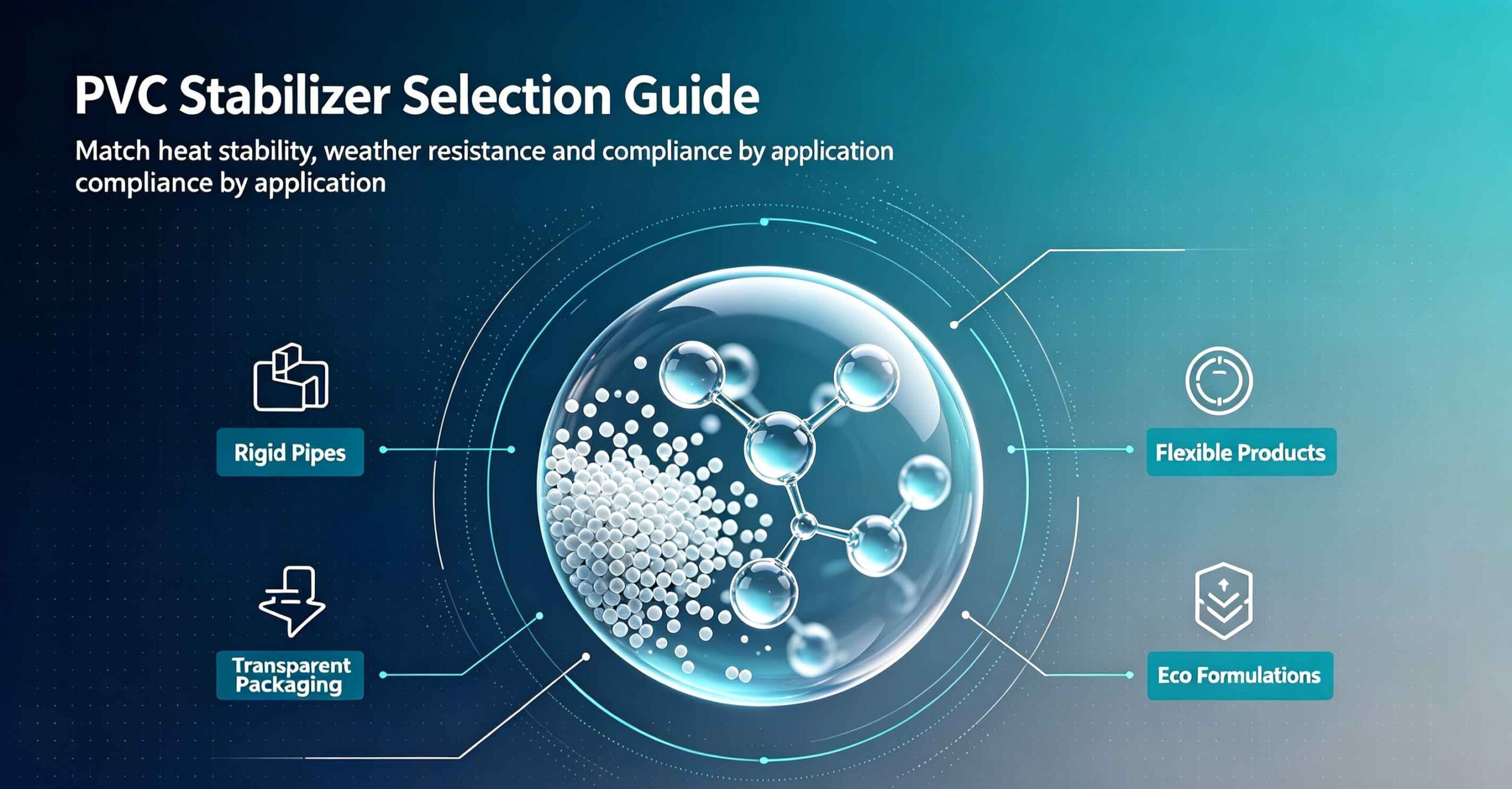
Choosing the right PVC stabilizer system directly affects processing stability, product appearance, and service life. Different PVC products face different challenges, from high-temperature extrusion and outdoor weathering to flexibility requirements and hygiene standards. At Inteam, we develop PVC stabilizer solutions based on application conditions, processing methods, and final product performance requirements.
Why PVC Stabilizers Are Essential in PVC Processing
Makers use PVC heavily in pipes, profiles, cables, and packaging. They also use it in medical items and soft goods. Still, PVC resin is naturally sensitive to heat. Workers usually heat PVC to about 160–220°C to melt and shape it. Yet, the material can start breaking down at much lower heat levels. Without enough protection, PVC releases hydrogen chloride (HCl). This gas causes color changes, damages the molecular chains, and rusts the machines.
A top-tier PVC stabilizer stops these issues. It does this by slowing down heat-related breakdown reactions. Furthermore, it keeps the early color intact. It boosts long-term heat resistance and defends the physical traits of the final PVC goods.
The main stabilization mechanisms include:
Stabilization Function | Effect on PVC Processing |
HCl absorption and neutralization | Reduces autocatalytic degradation caused by hydrogen chloride |
Replacement of unstable chlorine atoms | Delays the beginning of PVC degradation |
Oxidation inhibition | Improves thermal stability and shear stress |
Polyene sequence control | Helps prevent yellowing and dark discoloration |
PVC stabilizers are therefore not simply additives for processing improvement. They are key components that determine whether PVC products can achieve stable quality during manufacturing and long-term use.
Understanding Different Types of PVC Stabilizers
Picking the right option relies on item needs, production methods, and legal rules. Each type of PVC stabilizers setup gives distinct benefits. You must match them to your specific end use.
Organotin Stabilizers for Transparent and High-Performance PVC Products
People know organotin stabilizers well for their great thermal stability and clear finish. Makers often pick them for jobs where looks and pure materials matter the most.
Normal PVC stabilizer uses cover clear sheets, food packaging, medical PVC goods, and drinking water pipes. They fight off color changes very well. Because of this, they fit perfectly for items where clear visual quality drives buyer choices.
Organotin setups can easily trap the HCl gas that escapes during PVC breakdown. At the same time, they lower color shifts during production. For clear PVC items, keeping the material clear during manufacturing is vital. It often matters more than just cutting down raw material costs.
Calcium Zinc Stabilizers for Environmentally Responsible Applications
Calcium zinc stabilizers act as a major choice for jobs needing heavy-metal-free options. These setups offer reliable thermal stability, weather resistance, and transparency. They also mix well with standard PVC recipes.
They are widely applied in:
Application | Main Requirements | Suitable Stabilizer Consideration |
Food packaging | Safety, transparency, stable processing | Calcium zinc systems |
Medical products | Hygiene performance, reliability | Calcium zinc or organotin systems |
PVC pipes | Heat resistance, durability | Composite calcium zinc systems |
Profiles and sheets | Weather resistance, color retention | Customized stabilizer systems |
For manufacturers developing environmentally responsible PVC products, calcium zinc formulations provide a balance between performance and compliance requirements.
Lead Salt Stabilizers for Rigid PVC Applications
Factories have utilized lead salt stabilizers in PVC work for decades. They do this because these items offer outstanding thermal stability, great electrical shielding, and low costs.
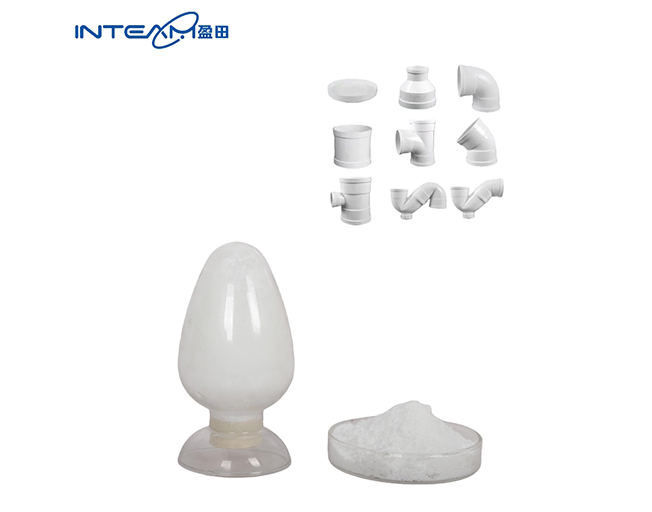
Standard lead salt options include tribasic lead sulfate and dibasic lead phosphite. Factories mostly apply them in rigid PVC tasks. These tasks include pipes, flat sheets, and factory profiles.
Still, green rules and buyer demands keep growing. Because of this shift, calcium zinc options are slowly taking the place of lead-based setups in many fields.
When picking a stabilizer for PVC compound recipes, makers must think about several things. For example, they must check market demands, safety rules, and final use limits.
Selecting Flexible PVC Stabilizers for Soft Products
Flexible PVC products require different stabilization strategies compared with rigid PVC materials. Plasticizers, processing conditions, and flexibility requirements all influence stabilizer selection.
A flexible PVC stabilizer must provide thermal stability while maintaining compatibility with plasticized PVC systems. Typical applications include:
- PVCfilms
- artificial leather
- flexible hoses
- soft sheets
- coated fabrics
Liquid composite stabilizers are often preferred for flexible PVC because they provide better dispersion, compatibility, and transparency. Compared with some solid systems, liquid stabilizers can reduce uneven mixing problems and improve processing consistency.
For flexible PVC production, the stabilizer system should work together with plasticizers, lubricants, and other additives to achieve balanced performance.
Why PVC Compound Stabilizers Improve Processing Performance
A PVC compound stabilizer is a multi-component system designed to combine different stabilization functions into one optimized formulation. Instead of relying on a single additive, composite systems usually integrate heat stabilizers with lubricants and auxiliary additives.
This approach helps manufacturers achieve:
Performance Area | Improvement |
Initial color stability | Reduces early discoloration during processing |
Long-term thermal stability | Extends product service life |
Processing efficiency | Improves melt flow and production consistency |
Surface quality | Reduces defects such as plate-out and die buildup |
Cost control | Reduces the need for multiple individual additives |
At Inteam, our composite PVC stabilizer solutions are developed around actual processing conditions. Different extrusion temperatures, production speeds, resin formulations, and final applications require different stabilization approaches.
A suitable stabilizer for PVC compound should not only prevent degradation but also support smooth production and consistent product quality.
How to Choose the Right PVC Stabilizer System for Different Applications
Selecting the correct stabilizer requires evaluating several technical factors:
Evaluation Factor | Why It Matters |
Processing temperature | Determines required thermal stability level |
Product transparency | Influences stabilizer selection for clear PVC products |
Outdoor exposure | Requires weather and light resistance |
Flexibility requirements | Determines compatibility with plasticized PVC |
Regulatory requirements | Affects material selection for food and medical products |
For example, PVC pipes require long-term heat resistance and structural reliability, while transparent packaging requires excellent color retention. Flexible PVC products need compatibility with plasticizers, and electrical cable materials require insulation performance.
The correct choice depends on the complete PVC formulation rather than the stabilizer alone.
Technical Considerations When Working with a PVC Stabilizer Supplier
A reliable supplier should provide more than standard products. Stabilizer selection often requires technical evaluation of resin type, processing equipment, additives, and production targets.
Important supplier capabilities include:
- formulation support
- product customization
- application testing
- technical documentation
- storage and handling guidance
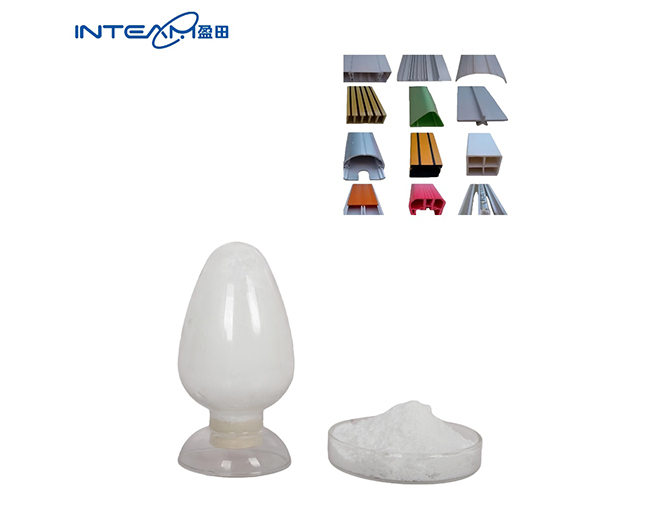
PVC stabilizers are available in different physical forms, including powder, flakes, granules, and liquid systems. Proper storage in a cool, dry, and well-ventilated area helps maintain product performance. Safety documentation, such as SDS, should also be reviewed before industrial use.
At Inteam, we support customers with technical consultation and application-based recommendations to help manufacturers select suitable PVC stabilizer systems.
For customized formulation support, product selection, or quotation requests, contact Inteam through our official website.
Get Professional Support for Your PVC Stabilizer Selection
Choosing a PVC stabilizer system requires a clear understanding of product requirements, processing conditions, and market standards. If you need assistance selecting a PVC stabilizer, optimizing a PVC compound stabilizer formulation, or developing a flexible PVC stabilizer solution, Inteam can provide technical support and application recommendations.
Visit Inteam website to discuss your PVC stabilization requirements and receive professional support.
Frequently Asked Questions
How do I choose the right PVC stabilizer for my PVC product?
The selection depends on the PVC application, processing method, processing temperature range, transparency requirements, flexibility, and regulatory needs. Pipes, profiles, flexible products, and transparent materials usually require different stabilizer systems.
Can calcium zinc stabilizers replace lead-based PVC stabilizers?
In many applications, calcium zinc stabilizers are used as alternatives to lead-based systems because they provide good thermal stability and meet stricter environmental requirements. However, the final choice depends on product specifications.
Can Inteam provide customized PVC stabilizer solutions?
Yes. Inteam provides technical support based on PVC resin type, processing conditions, and final product requirements. Customers can contact our team for formulation guidance, product recommendations, and quotation support.
| why-calcium-zinc-stabilizers-are-becoming-the-preferred-lead-free-option-for-pvc-processing | pvc-stabilizers-explained-uses-and-industrial-importance