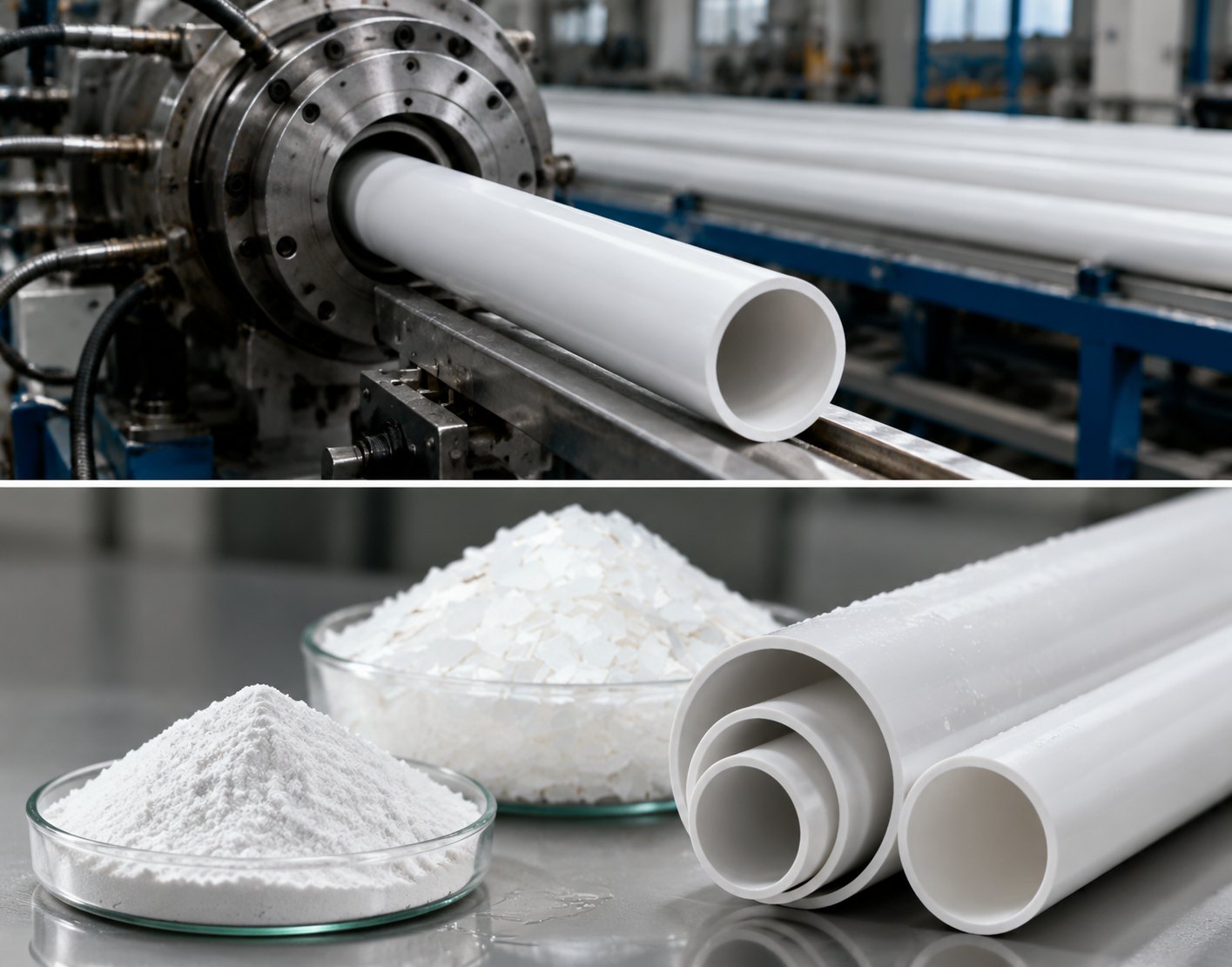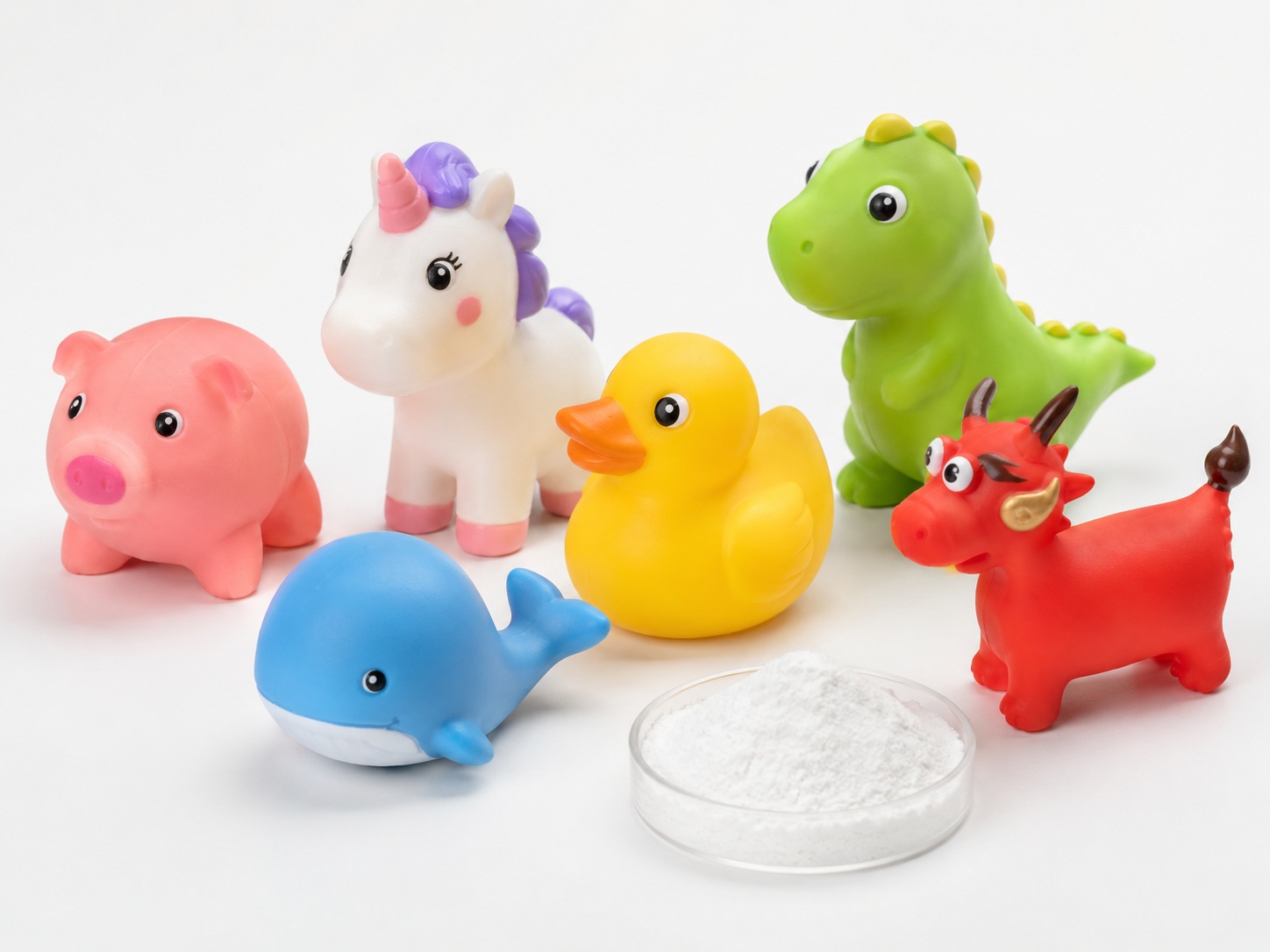

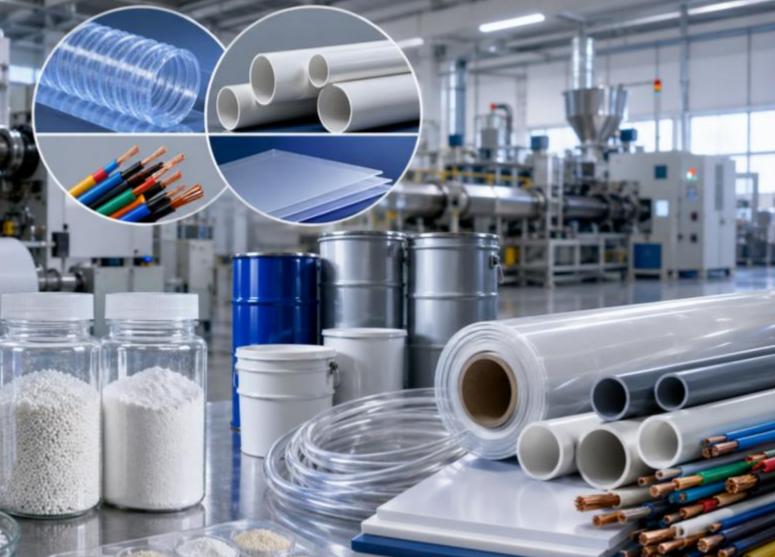
PVC Stabilizers Explained: Uses and Industrial Importance
Time : Jul 16, 2026 View : 661

Introduction
Processing stability of PVC is vital for the quality of the final products, safety of production processes, and reliability of equipment. In the industry, unstable PVC quickly becomes discolored, releases HCl and fails mechanically either in extrusion or injection molding processes. This makes stabilizers a core formulation component rather than an optional additive. At Inteam, we focus on developing PVC stabilizer solutions that help manufacturers improve production stability, reduce processing risks, and maintain consistent product quality across batches.
What Are PVC Stabilizers and Why Are They Important for Industrial Systems?
PVC stabilizers are additives performing the function of controlling thermal degradation in processing and use. Speaking from the standpoint of industrial processes, stabilizers are not only protective chemical substances but also risk-control elements ensuring the continuity of production.
Under conditions typical for the manufacturing process, PVC is subjected to elevated temperatures (usually up to 160–220 °C), mechanical stress, and oxygen. The latter causes PVC to become dehydrochlorinated with HCl emission, followed by an autocatalytic degradation cycle.
In industrial terms, stabilizers help maintain:
- Process stability during extrusion and molding
- Color consistency across production cycles
- Mechanical integrity of final PVC products
- Equipment protection from acid corrosion
Why PVC Requires Stabilization: Thermal Degradation Mechanism
PVC has inherent structural weaknesses in its molecular chain. During heating, unstable chlorine atoms detach and form hydrogen chloride. This gas accelerates further degradation, creating a chain reaction known as the “zipper effect.”
From a production standpoint, this reaction creates multiple operational risks:
- Rapid color change from white to brown or black
- Release of corrosive HCl fumes affecting machinery
- Increased torque load and possible equipment blockage
- Reduced tensile strength and product failure
This explains the importance of PVC heat stabilizer systems in every industrial PVC formulation.
Without stabilization, even short processing interruptions can lead to batch rejection and mold cleaning downtime, significantly increasing production cost.
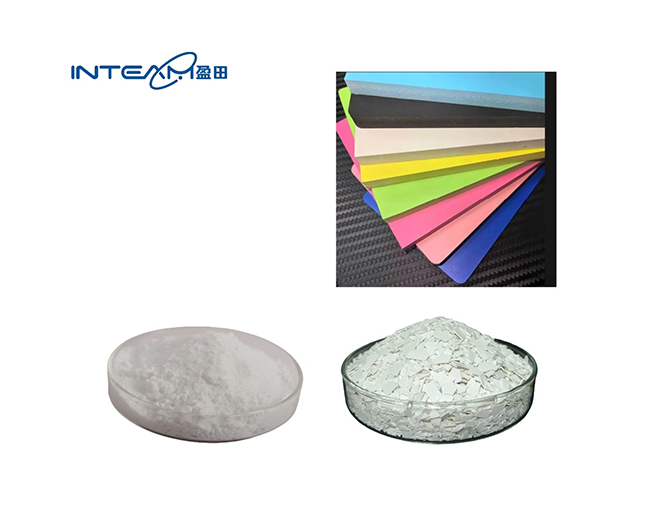
Mechanism of Stabilizers in PVC Processing Systems
PVC stabilizers operate through multiple protective mechanisms rather than a single reaction. Their performance depends on system compatibility with resin, lubricants, and fillers.
Core stabilization mechanisms include:
- Neutralization of HCl generated during thermal decomposition
- Replacement of unstable chlorine atoms in polymer chains
- Suppression of oxidation and free radical reactions
- Deactivation of metal ions that catalyze degradation
- Disruption of conjugated polyene formation that causes discoloration
These functions are critical in maintaining consistent performance in continuous production lines where temperature fluctuations are unavoidable.
Types of PVC Stabilizers Used in Industrial Applications
The selection of stabilizers depends on cost, toxicity requirements, and final application performance. In modern PVC compounding systems, several major categories are widely used.
Lead-Based Stabilizers
Traditional systems have strong thermal stability and low cost. However, environmental restrictions limit their use in food and medical applications.
Calcium-Zinc Stabilizers
Widely adopted in modern manufacturing due to non-toxic properties and compliance with environmental regulations. Common in pipes, cables, and packaging materials.
Organotin Stabilizers
High-performance stabilizers offering excellent transparency and heat resistance are commonly used in rigid PVC products.
Barium-Zinc Systems
Used in flexible PVC applications such as films, hoses, and coated materials.
Auxiliary Stabilizers
Phosphites, epoxy compounds, and polyols that enhance primary stabilizer performance and improve long-term processing stability.
These categories are summarized in industrial procurement as types of PVC stabilizers, a key decision factor for formulation engineers.
PVC Stabilizer Formulation and System Integration
In real manufacturing systems, stabilizers are rarely used alone. They are combined with lubricants, processing aids, and fillers to create a balanced formulation.
A typical system may include:
- Primary stabilizer (CaZn, organotin, or lead-based)
- Internal and external lubricants for melt control
- ACR processing aids for flow improvement
- PE wax or oxidized wax for surface and mold release control
The balance among these is what will determine the quality of the end product, production efficiency, and defects.
From a formulation engineering perspective, stabilizer for pvc compound design must ensure compatibility between all additives to prevent phase separation, blooming, or processing instability. Inteam develops composite stabilizer systems by considering the interaction between stabilizers, lubricants, processing aids, and PVC resin characteristics to support more stable industrial production.
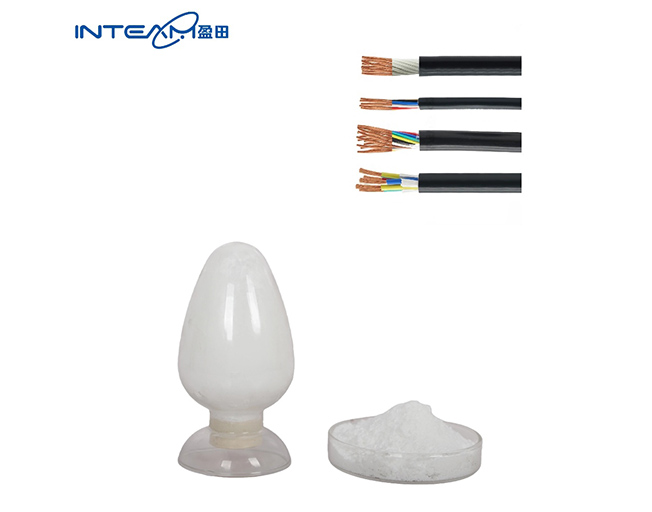
PVC Stabilizer Uses Across Industrial Applications
PVC stabilizers are applied across multiple high-volume industries where thermal stability and safety are critical.
Common applications include:
- Pressure pipes and fittings requiring long-term heat resistance
- Wire and cable insulation needing electrical stability
- Window profiles and construction materials exposed to UV and weather
- Food packaging films requiring non-toxic formulations
- Medical-grade PVC products with strict regulatory requirements
These applications define real-world pvc stabilizer uses, where performance failure directly impacts product safety and compliance.
Risks of Poor Stabilization in PVC Manufacturing
Without proper stabilizer systems, PVC processing becomes unstable and unpredictable. Industrial risks include both material failure and equipment damage.
Key risks include:
- Thermal degradation during extrusion causing product discoloration
- Corrosive gas release damaging metal equipment surfaces
- Torque surge leading to mechanical overload and shutdown
- VOC emissions affecting workplace safety compliance
- Dimensional instability and mechanical weakness in finished goods
According to industrial processing data referenced in PVC additive systems, degradation can begin as low as 120–130°C, while processing typically requires temperatures up to 220°C. This gap makes stabilization essential for every formulation.
Quality Control and Performance Evaluation of Stabilizers
Industrial buyers evaluate stabilizers based on three core performance indicators:
Stability Type | Function in Production | Risk Controlled |
Initial stability | Prevent early discoloration during startup | Color inconsistency |
Long-term stability | Maintain performance during continuous operation | Downtime and mold cleaning |
Residual stability | Ensure product performance in end-use | Field failure risk |
These metrics are critical when selecting materials for high-volume extrusion or injection molding lines.
Market Trends in PVC Stabilizer Industry
The global stabilizer market is shifting toward environmentally safe and multifunctional systems. Calcium-zinc systems are gradually replacing lead-based stabilizers due to regulatory pressure in Europe and North America.
Key trends include:
- Increasing demand for non-toxic formulations
- Growth of composite stabilizer systems
- Integration of stabilizers with lubricants and processing aids
- Expansion of PVC applications in infrastructure and packaging
These shifts directly affect sourcing strategies for industrial buyers and compound manufacturers.
Selecting the Right PVC Stabilizer System
Choosing the correct stabilizer requires balancing performance, cost, and compliance requirements.
Key selection factors include:
- Processing temperature and equipment type
- End-use application requirements
- Regulatory compliance (food, medical, construction)
- Compatibility with resin and additives
- Long-term supply stability from manufacturers
Proper selection reduces production downtime and ensures stable batch quality across large-scale operations.
For technical support or formulation optimization, Inteam’s engineering team is available to review material systems and recommend suitable stabilizer packages based on processing conditions, application requirements, and regulatory needs.
You can submit your material requirements or request a quotation directly.
Conclusion: Stabilizers as a Core Control System in PVC Manufacturing
Stabilizers for PVC are crucial functional ingredients that decide the fate of formulation, either being successful or unsuccessful during processing.
In contemporary manufacturing processes, stabilizers are not individual components but an integral component of formulation along with lubricants, processing aids, and waxes. The right choice of stabilizers will directly affect the process performance, cost management, and ultimate product performance.
FAQ
What is the main function of PVC stabilizers in production?
PVC stabilizers prevent thermal degradation by neutralizing HCl and maintaining molecular stability during processing.
How do I choose the right PVC stabilizer for my application?
Selection depends on processing temperature, product type, regulatory requirements, and compatibility with other additives.
Are calcium-zinc stabilizers better than lead-based stabilizers?
Calcium-zinc systems are preferred for environmental compliance, while lead-based stabilizers still offer cost advantages in restricted applications.
Can stabilizers affect PVC processing efficiency?
Yes, stabilizers directly influence melt flow, torque stability, and processing temperature windows.
What causes PVC degradation during extrusion?
High temperature, oxygen exposure, and HCl autocatalytic reactions are the main causes of degradation.
| how-to-choose-pvc-stabilizer-systems-for-different-pvc-applications | which-pvc-stabilizer-is-the-most-common-in-industry