

Why are safety precautions for PVC pipe lubricant vital for Zero-Harm Operations
Time : May 14, 2026 View : 1,131
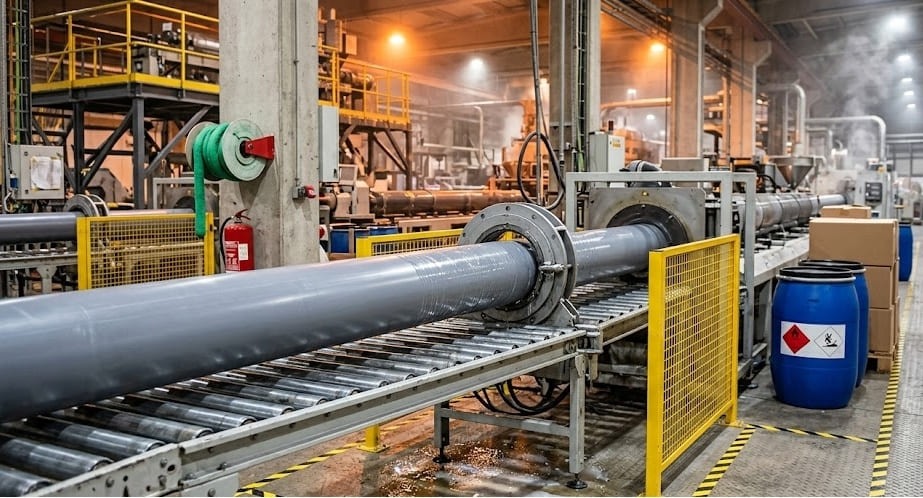
Lately, the sector has witnessed a significant shift toward “Zero-Harm” sites, particularly as global demand for infrastructure drives PVC extrusion facilities to operate at peak capacity. Whether you are extruding large-diameter water mains or precision conduits, the substances you apply—especially your PVC pipe lubricant—serve a dual purpose: first, achieving a superior, uniform pipe surface; and second, ensuring the safety of personnel and equipment during processing.
Reaching a “no-risk” setting involves more than simply ticking off a safety checklist. It requires a deep understanding of how your PVC lubricants behave under extreme thermal stress. At Inteam, we have devoted years to refining the synergy between chemical efficiency and operational security. In this overview, we explain why safety measures form the foundation of a profitable, incident-free workspace and demonstrate how strategic lubricant selection can optimize your operations.
The Role of Lubricant Thermal Stability in Factory Safety
In a PVC extrusion setup, protection begins deep within the extruder barrel. The formulation of your lubricant determines whether your shift concludes with high-grade products or hazardous volatile accumulation.
Maintaining Lubricant Thermal Stability Under Pressure
A frequently overlooked threat in facilities utilizing PE wax for PVC pipes is premature thermal degradation. If a lubricant lacks sufficient lubricant thermal stability, it will decompose before the resin even reaches the die. This early breakdown triggers the emission of VOCs and acidic fumes, which not only compromise the pipe’s structural integrity but also create a hazardous atmospheric environment for staff near the exhaust zones.
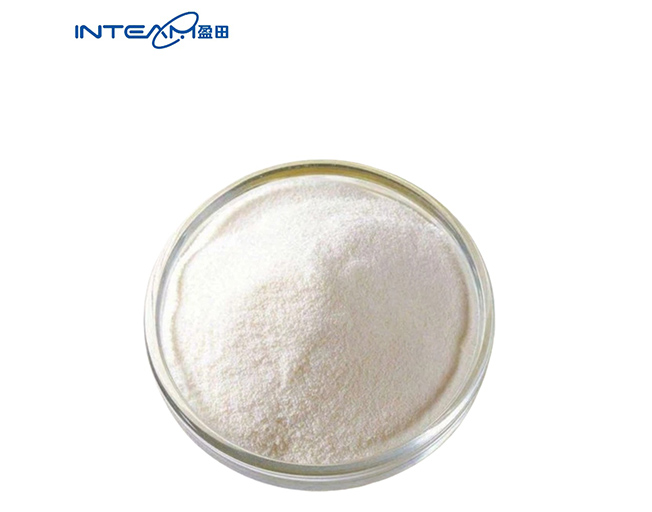
Selecting a high-stability lubricant from Inteam ensures the substance remains chemically stable even at elevated processing temperatures. When your lubricant maintains its integrity, you eliminate concerns regarding sudden pressure surges or toxic gas liberation. Such reliability is a cornerstone of polymer processing safety, allowing your team to focus on throughput rather than constant exhaust adjustments to manage haze or odors.
Mastering High Temperature Lubrication Without Risk
How High Temperature Lubrication Prevents Equipment Failure
As processing temperatures rise, the risk of mechanical seizure or “die build-up” increases. “Plate-out” occurs when lubricant components migrate and deposit on the metal surfaces. If your PVC pipe lubricant is not engineered for these extremes, the lubricating film may fail, leading to a sharp rise in torque. This torque surge can snap screw shafts or damage drive units, posing a direct physical threat to nearby operators.
To maintain “zero-harm” standards, your staff should monitor these critical indicators:
- Torque Fluctuations:Sudden spikes usually signal a failure in the lubricating boundary layer.
- Surface Texture:If the pipe appears matte or exhibits “sharkskin” roughness, your high temperature lubrication is likely insufficient, causing localized heat buildup.
- Exhaust Zones:Keep these areas unobstructed to ensure residual volatiles are evacuated properly.
By selecting lubricants built for extreme heat resistance, you minimize the need for manual interventions. At Inteam, our R&D centers on engineering products that manage thermal stress effectively, helping your staff avoid the hazards of scorched batches. You can view how these solutions fit various production scales on our Application page.
Managing the Hidden Danger of Fine Powders
You may often notice a fine white powder accumulating on structural beams or control panels. Although seemingly benign, this particulate often consists of airborne waxes. Managing this byproduct is a vital component of polymer processing safety; ignoring it can lead to slip hazards and combustible dust explosions.
Strategies for Effective PE wax dust control
Many high-performance lubricants are supplied in powder form to ensure rapid dispersion within the resin. However, this creates a challenge for PE wax dust control. Beyond the explosion risk, the inherent slipperiness of waxes makes floor surfaces extremely hazardous.
To secure a risk-free workspace, consider these proactive measures:
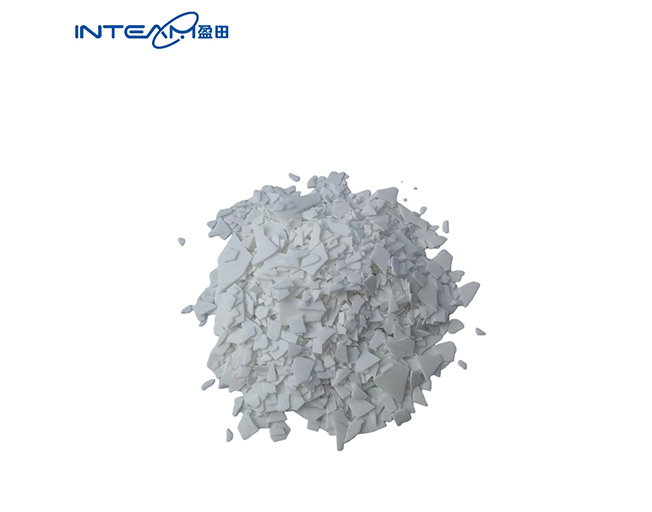
- Opt for Optimized Forms:Where feasible, switch to flakes or prills to minimize airborne particulates.
- Vacuum, Do Not Sweep:Utilize industrial vacuums with fine filtration rather than brushes, which merely re-distribute dust into the air.
- Grounding and Bonding:Ensure all blending apparatus maintains equipotential bonding and is integrated into a verified low-resistance path to ground to mitigate electrostatic discharge (ESD) hazards during the management of PVC pipe lubricant.
Effective PE wax dust control clears the air and stabilizes floor surfaces. At Inteam, we supply various physical forms for our lubricants—from micronized powders to large flakes—to help you select the format that best suits your site’s ventilation and handling protocols.
Building a Culture of Polymer Processing Safety
Protection is a mindset that begins the moment raw materials enter the facility. For a B2B operation, this requires every employee to understand the materials they handle. From warehouse teams to lead technicians, everyone contributes to upholding polymer processing safety.
Practical Handling and Storage for Zero-Risk Results
The way you store your PVC pipe lubricant matters just as much as how you apply it. Although many PVC lubricants remain steady in typical settings, they might respond unfavorably when kept close to powerful oxidizers or exposed to direct sunlight.
- Climate Control: Keep lubricants in a cool, dry place. Should they experience “blocking” (caking) from excess heat, then it becomes harder to measure them precisely in the blender.
- Clear Labeling: Always store lubricants in containers with obvious labels to avoid errors in use, which might ruin whole production runs.
- Consult the SDS: Make sure Safety Data Sheets (SDS) appear in plain view near the blending zone. If a spill happens, the staff needs to carry out a dry cleanup following the SDS guidelines, since adding liquids could worsen wax buildup and lead to slippery areas.
By managing these routines with precision, you build a robust defense against operational incidents. The team at Inteam provides comprehensive technical support to assist you in designing a workflow that matches your exact facility requirements. You can discover more about our commitment to these standards on our About Us page.
Why Inteam is Your Partner in Safe Production
Managing PVC additives can be complex, but you do not have to navigate it alone. At Inteam, we provide more than just chemical supplies; we deliver the technical expertise to ensure those substances function safely in your specific environment. From optimizing PVC pipe lubricant dosages to consulting on PE wax dust control, our goal is to help you achieve that “zero-harm” benchmark.
Partnering with a tech-focused firm like Inteam provides:
- Verified Performance:We conduct rigorous lab checks on the lubricant thermal stability of our systems to ensure they hold firm throughout your shift.
- Technical Audits:We can review your polymer processing safety protocols to identify potential optimization opportunities.
- Sustainable Options:We supply eco-friendly lubricants that are safer for both your crew and the environment.
If you wish to optimize your setup and ensure your team remains protected, feel free to Contact Inteam. We stand ready to guide you toward the ideal balance of productivity and protection.
FAQs
Q: Does Inteam supply a dedicated SDS for every PVC pipe lubricant product?
A: Absolutely. We furnish comprehensive Safety Data Sheets for every Inteam product, allowing your team to oversee site safety with precision and ease.
Q: In what ways can your high temperature lubrication options lower the risk of equipment fires?
A: Our lubricants prevent PVC degradation and scorching, significantly reducing the likelihood of heat-triggered combustion within the extruder and maintaining smooth operations.
Q: What support does Inteam offer for PE wax dust control in compact plants?
A: We provide PE wax for PVC pipes in flake or pelletized versions. These formats naturally limit airborne dust compared to standard powders, easing cleanup and reducing inhalation risks in smaller workspaces.