

Why Choose Calcium Zinc Stabilizer? Benefits, Uses & Future Trends?
Time : May 07, 2026 View : 1,132
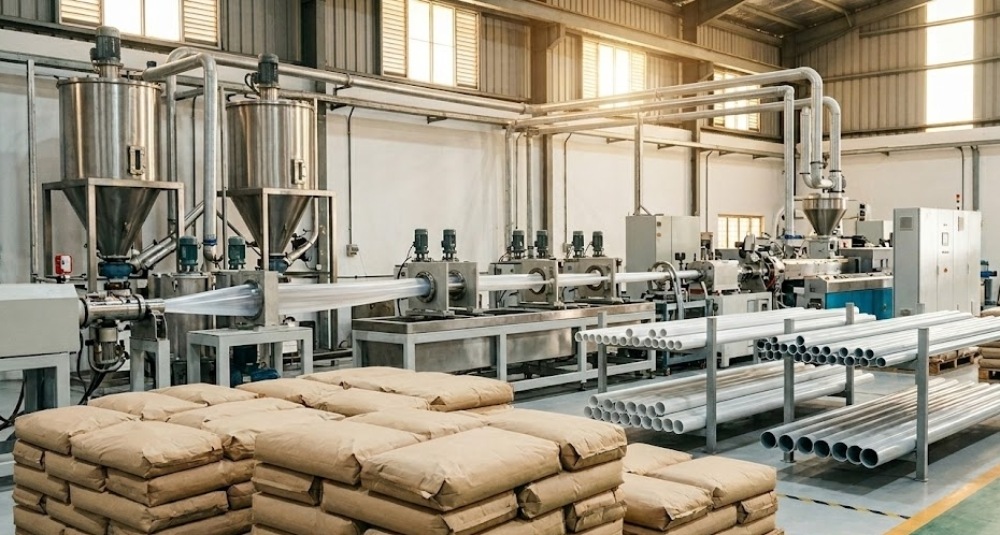
Look around your home or office. You will see PVC everywhere. It runs from the water pipes inside your walls to the smooth vinyl flooring on the ground. Polyvinyl chloride forms the core of today’s building projects. Yet, the field is undergoing a big change. Lead-based additives served as the norm for many years. Now, stricter environmental rules and a worldwide drive for eco-friendliness are altering the landscape. If you run a factory in North America or ship goods from Southeast Asia, the issue goes beyond just creating plastic. It involves producing it in a safe and responsible way. Here, the Calcium-Zinc stabilizer PVC arrives as the key player in the shift toward greener plastics. Inteam, a leading tech firm in this area, leads this change. They guide companies from harmful past practices to reliable, non-toxic PVC additives.
The Role of a PVC Heat Stabilizer in Modern Manufacturing
To grasp why the sector is excited about fresh materials, we should first examine PVC’s basic nature. Plain PVC resin behaves like a delicate material. It struggles with high temperatures. During molding, the heat reaches 160°C to 200°C. At that point, the chains in the molecules begin to weaken and fall apart.
This breakdown creates more than a small issue. Lacking a solid PVC heat stabilizer, the substance triggers a chain reaction known as the “zipper reaction”. It gives off damaging hydrogen chloride gas, or HCl. The color shifts from transparent to a dull yellow or dark black. Plus, it gets very fragile. In short, without proper helpers, your premium pipes or frames would fail right on the production line. The stabilizer serves as a protective layer. It counters dangerous gases and fixes weak spots in the polymer structure. As a result, the material stays tough and colorful.
Why Stability Matters for Your Bottom Line
In factory settings, reliable performance directly boosts earnings. A dependable PVC heat stabilizer goes beyond keeping the hue intact. It guarantees smooth operations on the line. If the stabilizer does not hold up, the mix clings to machine parts like screws and dies. This causes costly stops and lost materials. Selecting a strong setup for stabilization allows steady output over time. Thus, the initial item made in the morning matches the final one in the evening.
What Makes a Calcium Zinc Stabilizer the Best Choice?
With the sector heading to a lead-free era, the calcium zinc stabilizer stands out as the most adaptable and reliable option. Different from past methods that used heavy metals, this PVC Composite Heat Stabilizer blends calcium’s harmless qualities with zinc’s effective protection. It offers a practical solution that satisfies both eco rules and the tough demands of end products.
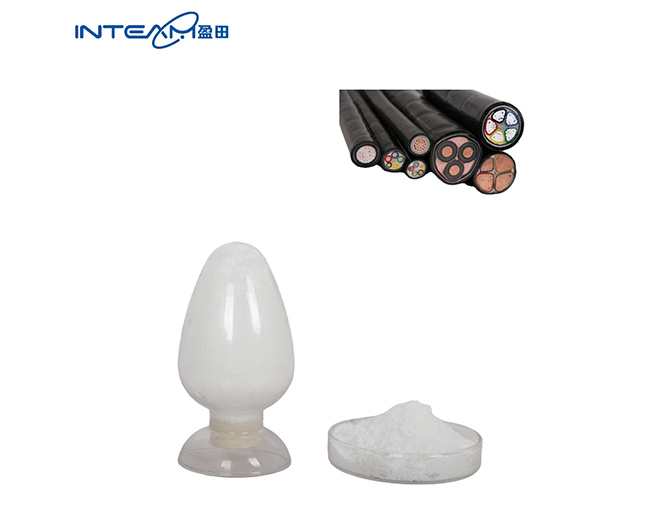
The strength of a current calcium zinc compound comes from its combined action. Zinc in the mix acts fast. It swaps out shaky chlorine atoms in the PVC structure. This stops early color changes right away. Calcium, meanwhile, functions like a cushion. It absorbs the sour leftovers produced in the process. Working as a team, they deliver a strong defense. The plastic remains safe from the hot machine entry until it sets into the final shape.
Superior Safety for Consumer Goods
A key reason to switch to non-toxic PVC additives centers on user protection. When making everyday items such as food wrappers, health tubes, or kids’ playthings, avoiding lead or cadmium is essential. Calcium and zinc occur in nature. They pose far less risk to people upon contact. Because of this, they suit major companies aiming to clear tough health checks.
Environmental Compliance and Global Exporting
Shippers targeting Europe or North America find that an eco-friendly PVC stabilizer is essential for market access. Rules such as REACH and RoHS limit heavy metals more strictly. Therefore, adopting a calcium zinc stabilizer keeps your goods from rejection at customs. Inteam’s offerings focus on easing these worldwide hurdles. At the same time, they maintain the high standards of PVC items.
Deep Dive: The Science Behind the Calcium Zinc Compound
Crafting a useful calcium zinc compound requires careful science. Earlier types suffered from zinc burning,leading to abrupt blackening in a short time due to zinc chloride formation. Current versions from Inteam include helpers like epoxies and polyols. These prevent such problems. Consequently, the material holds up during lengthy factory sessions.
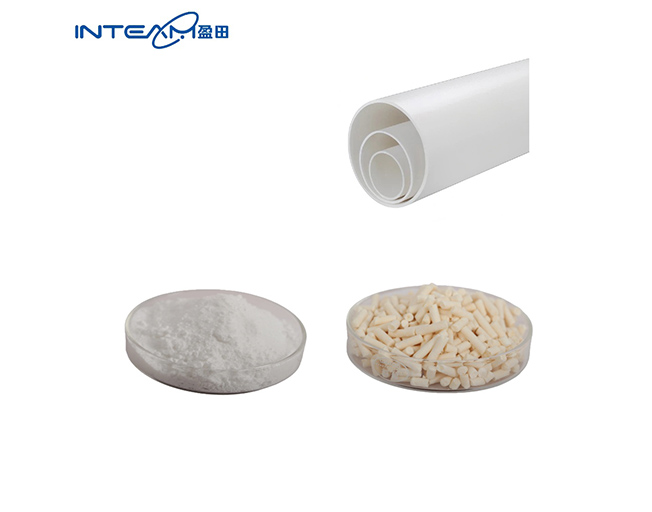
Today’s ready-to-use systems mix in lubricants and vital enhancers ahead of time. Workers avoid measuring multiple powders. Instead, they simply blend the full package with the base resin. This setup cuts down on mistakes by staff. It also ensures an even spread of components. In turn, the end result features a finer texture and greater durability.
Internal and External Lubrication
Managing friction plays a big role in any PVC heat stabilizer blend. Internal lubricants reduce friction between PVC particles and lower torque.Outer lubricants form a slim layer between the warm plastic and the equipment’s metal surfaces. A smart calcium zinc compound coordinates these elements well. It avoids the adhesion that could spoil an entire batch.
Enhancing Surface Gloss and Appearance
Truth be told, buyers judge by sight. An item like a pipe or trim that appears faded or discolored seems cheap. Up-to-date non-toxic pvc additives contain enhancers for brightness. These create a crisp white tone or shiny look. This goes further than appearance alone. A sleek exterior also cleans easily and withstands outdoor wear for decades.
Diverse Applications of Eco-Friendly PVC Stabilizer
Their harmless makeup and solid results make these stabilizers fit for a wide array of items. Think of garden hoses or sturdy city pipes. In all cases, the calcium zinc stabilizer quietly ensures everything holds firm.
- PVC Pipes and Fittings:They serve home water systems and factory drains, focusing on lasting strength and secure use.
- Wire and Cable:It offers top-notch electrical shielding. At the same time, it follows fire rules and green guidelines.
- Medical Devices:They appear in IV bags and lines, with no room for harmful substance release.
- Furniture Edge Banding:It enables attractive wood-like surfaces that resist flaking and warmth.
- Food Packaging:It guarantees that the transparent wrap on store items avoids passing dangerous elements to the contents.
Future Trends: What’s Next for the PVC Industry?
The path ahead for pvc heat stabilizer emphasizes added functions and stricter safety measures. Experts note a rise in “smart additives.” These not only secure the plastic but also bring extras like germ resistance or better sun protection for patio items.
On top of that, the drive for reusing materials calls for stabilizers that pair with recycled PVC. As firms increasingly recycle old plastics, they require an eco-friendly pvc stabilizer to mend the worn-out base. This grants it renewed purpose. Inteam commits resources to this research. Their calcium zinc compound options prepare for decades of plastic advances.
Why Partner with Inteam for Your PVC Solutions?
At Inteam, we offer more than just materials. We deliver practical knowledge to help your operations thrive. Drawing from extensive work with non-toxic pvc additives, our experts grasp the specific issues in various world areas. Be it damp conditions, older tools, or new trade restrictions, we supply a calcium zinc stabilizer matched to your situation.
We invite you to check our Service Page for details on custom mixes and hands-on help. To understand our focus on excellence, read the About Us section on our growth as a tech-driven group. Interested in better quality? Browse the Application Gallery for ideas. Or reach out to us for a trial of our newest pvc heat stabilizer advances.
FAQs
Q: Does an Inteam calcium zinc stabilizer match the durability of traditional lead-based versions?
A:Absolutely, the latest Inteam mixtures deliver outstanding, enduring thermal protection and robustness. In many ways, they meet most performance requirements for lead-free applications. This makes them a smart switch for ongoing needs.
Q: Is it possible to apply Inteam non-toxic PVC additives in packaging for food items?
A:Yes, indeed. Our calcium-zinc formulas are built to align with rigorous guidelines for items touching food or used in healthcare settings. We prioritize safety in every batch, so you can trust them for sensitive applications without worry.
Q: Will adopting an Inteam eco-friendly PVC stabilizer mean I need to update my equipment?
A:Not at all. Our complete package designs integrate seamlessly with your current setup for extrusion or molding machines. You can implement them right away without major modification to existing extrusion/injection lines, though minor process parameter tuning may be required.